

Post Office Savings: Post offices in India are no longer just a means of delivering letters; they have become the safest and most reliable banking option for millions of citizens. According to the latest data, the total public deposits in post office savings accounts across the country have surpassed the historic figure of ₹22 lakh crore. From rural areas to urban areas, ordinary citizens still trust post offices to keep their hard-earned money safe.
The biggest reason for this unwavering trust is the sovereign guarantee provided by the government, which provides greater security to your money than private banks. Let’s understand in detail how modern technology and government schemes have completely transformed the face of the Indian postal service.
The tremendous popularity of post offices
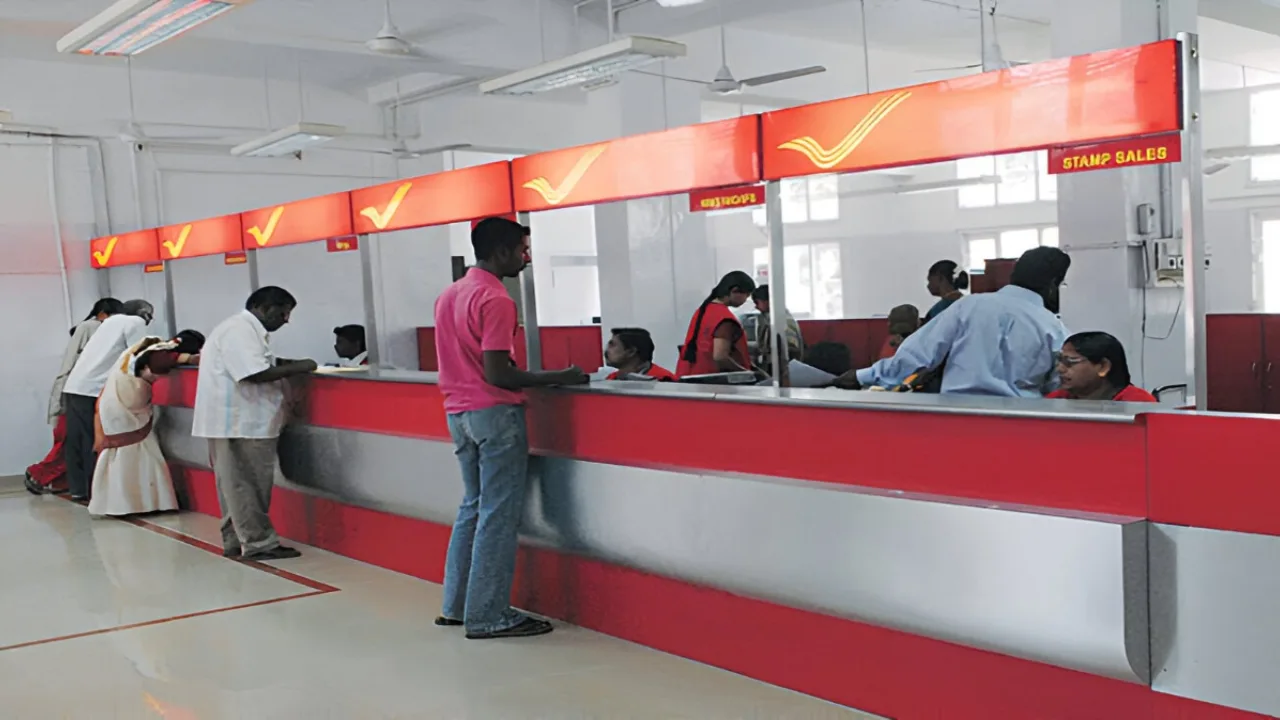
Currently, approximately 380 million post office savings accounts are active across the country, proving that the credibility of post offices remains undiminished even in the era of digital banking. Post office savings schemes remain the preferred choice for middle-class families seeking safe investments and assured returns.
Government guarantees, easy access to every village, and extremely simple paperwork have made them an unstoppable force in the banking sector. This is why a large segment of Indian society still considers the post office the most suitable place to invest their capital.
Sukanya Samriddhi Yojana’s Great Success
In addition to regular savings accounts, the Sukanya Samriddhi Yojana (SSY), launched to ensure a better future, higher education, and marriage for daughters, has received unprecedented public support. Union Minister Jyotiraditya Scindia recently announced that approximately 38 million accounts have been opened under this scheme so far.
The total deposits in these accounts have reached approximately ₹2.27 lakh crore, indicating that Indian families are widely embracing this government initiative to financially empower their daughters. This scheme not only offers a safe investment opportunity, but the interest rates are also quite attractive compared to other savings schemes.
Post Offices Go Hi-Tech
Considered the economic backbone of rural India, post offices are rapidly modernizing, with this vast network of approximately 1.65 lakh post offices now equipped with state-of-the-art technology. RFID, barcodes, and QR codes are being widely used to make parcel services world-class.
The most exciting changes are being seen in hilly and inaccessible areas, where drones will soon be used to deliver mail in states like Jammu and Kashmir, Uttarakhand, and Himachal Pradesh. As a result of continuous monitoring and improvements, the number of post offices in the country without transactions has now dwindled to a negligible number.

Post Office Financial Report Card
Despite such impressive progress and a vast network, the Postal Department faces a significant financial deficit. According to State Communications Minister Chandrashekhar Pammasani, the department’s annual expenditure is approximately ₹35,000 crore, while annual income is limited to only ₹13,000 crore.
This huge financial gap remains a major obstacle for the department. In many states, the department’s expenditures are up to three times its total income. For example, in one state, expenditures last year were ₹1,800 crore, while revenues were only ₹600 crore. However, income is now gradually improving.