

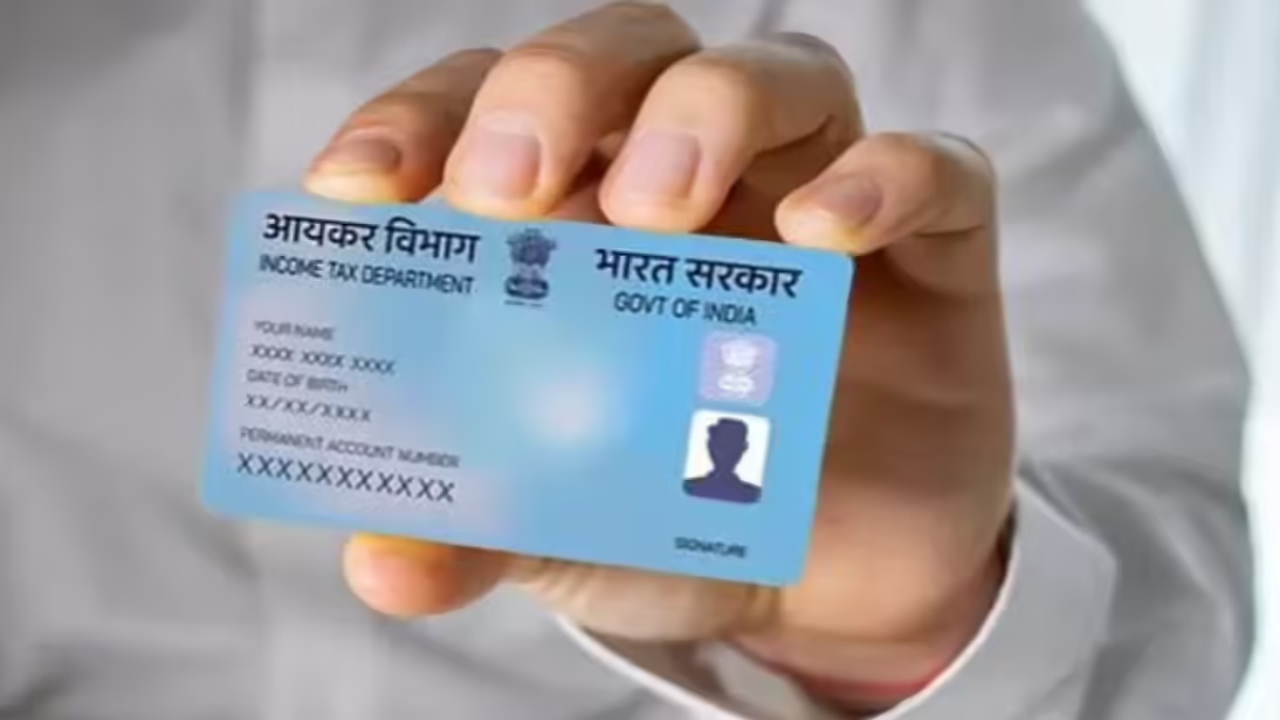
PAN Card Scam: Big news for PAN Card holders. A new type of cyber fraud has surfaced in the market, specifically targeting PAN card users and the general public through email. This scam tricks individuals into downloading e-PAN cards. Recently, cyber criminals have been dispatching emails that seem to be official communications from the Income Tax Department.
These emails encourage recipients to download their e-PAN card by clicking on a link, but in truth, this is a scheme to defraud individuals of their money and personal information. Let’s delve deeper into this new e-PAN card scam.
What is the e-PAN card scam?
Recently, the PIB Fact Check, which is the government’s fact-checking body, the Press Information Bureau (PIB), issued a warning that such emails are entirely fraudulent and part of a scam. The agency reports that fraudsters are trying to deceive people into clicking on a harmful link.
Once someone clicks on the link, criminals can capture personal information like their Aadhaar number, bank details, and other sensitive data. This information could subsequently be used for financial fraud. Hence, it is crucial for individuals to exercise extreme caution with such emails.
How does the e-PAN card scam operate?
In this scam, the email is designed to look official and urgent. It typically claims that the user must download their e-PAN card. However, the download link included in the email is not legitimate. According to PIB Fact Check, the true intention is to gather personal information. Cyber criminals frequently attach files to emails that may harbor viruses or malware. These viruses can damage the computer or track the user’s online behavior.
Why should one not respond to emails or calls related to e-PAN card scam?
Due to the risk of losing money and personal information, people are advised not to respond to any such emails or calls, even if the sender claims to be an Income Tax Department official. Users should avoid clicking on any suspicious links, opening attachments, or sharing personal information, such as bank account or credit card details. This can help protect you from cyber fraud.