


Your credit score is like your financial identity. Banks and NBFCs look at it before deciding to give you a loan or credit card. But sometimes due to a sudden shortage of money or negligence, people are not able to pay their EMI on time. In such a situation, the question arises of how much your credit score falls if you miss it just once.
What is the effect of missing an installment
Even a small mistake can have a big impact on your credit score. How much your score will fall depends on how many days you have delayed the payment. Banks or NBFCs usually do not report a delay of one to seven days, so there is no significant impact on the score. But a delay of 30 days is officially reported, during which your score can fall by 50 to 100 points.
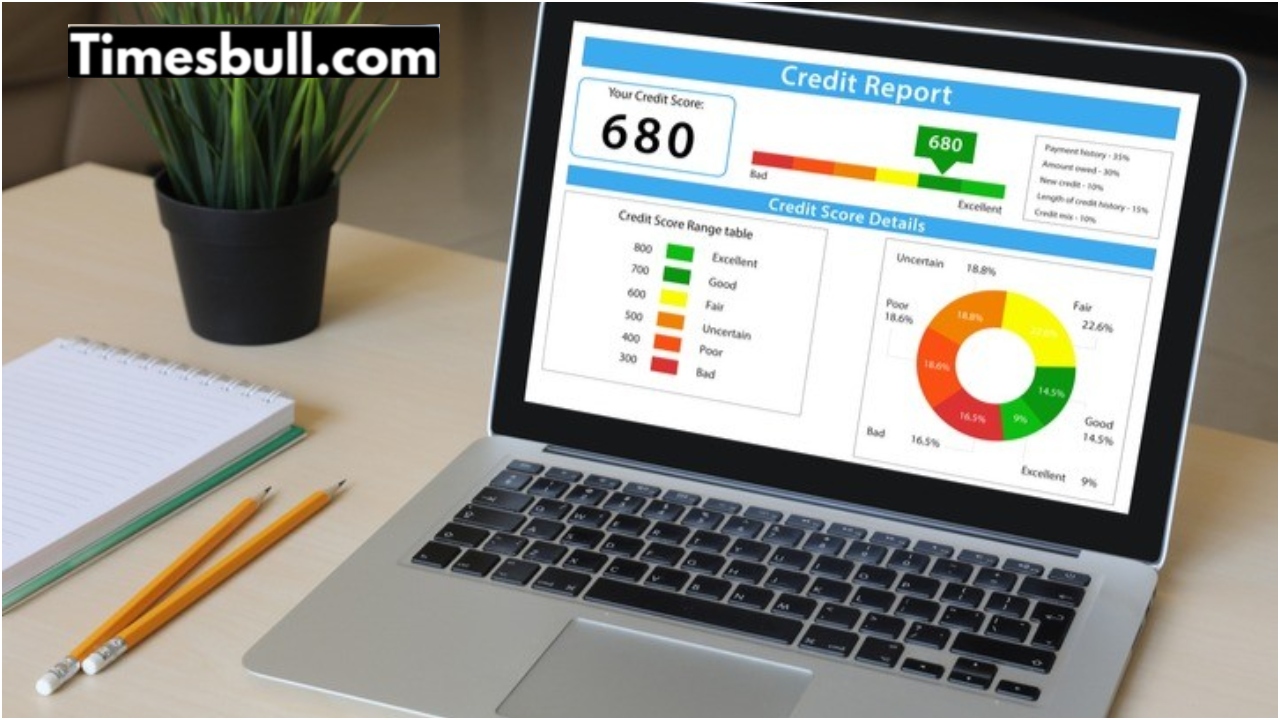
If this delay is 60 to 90 days, then it is considered a ‘serious default’, which can cause your score to drop very fast and may cause problems in loan approval in the future. If there is a delay of more than 90 days, the bank can declare your account as ‘NPA’ (Non-Performing Asset), which reduces your score significantly and makes it almost impossible to get a loan in the future.
Avoid applying repeatedly
Do not apply repeatedly for different credit cards or loans. There is a ‘hard inquiry’ on every application, which can reduce your score. Take a careful decision before taking a new credit line. You are considered a stable borrower if you apply in moderation.
Importance of payment history
Payment history is the biggest contributor to calculating the credit score. It accounts for about 35% of the total score. This simply means that whether you have paid the EMI on time or not, it directly affects your credit profile. If your history has always been clean, then a one-time mistake will not cause much of a drop in the score. But for those who already have a bad history, another mistake can pull down the score rapidly.
How much drop is possible

If you delay paying the installment for 30 days for the first time, then your score can fall by 50 to 100 points. But if the installment is delayed two or three times in a row, then the score can fall by 150 to 200 points. Due to repeated defaults, your score can fall from a good position, like 750, to 600 or below. At this stage, the chances of getting a new loan are almost over.
How to improve a credit score
The credit score does not deteriorate permanently. If you start paying on time, then improvement starts showing in a few months. Usually, paying the installment on time for three to six months continuously starts to raise the score again. Apart from this, you can also talk to the bank and take the option of rescheduling or a moratorium on your loan. It is also very important to pay the credit card bill on time and in full.