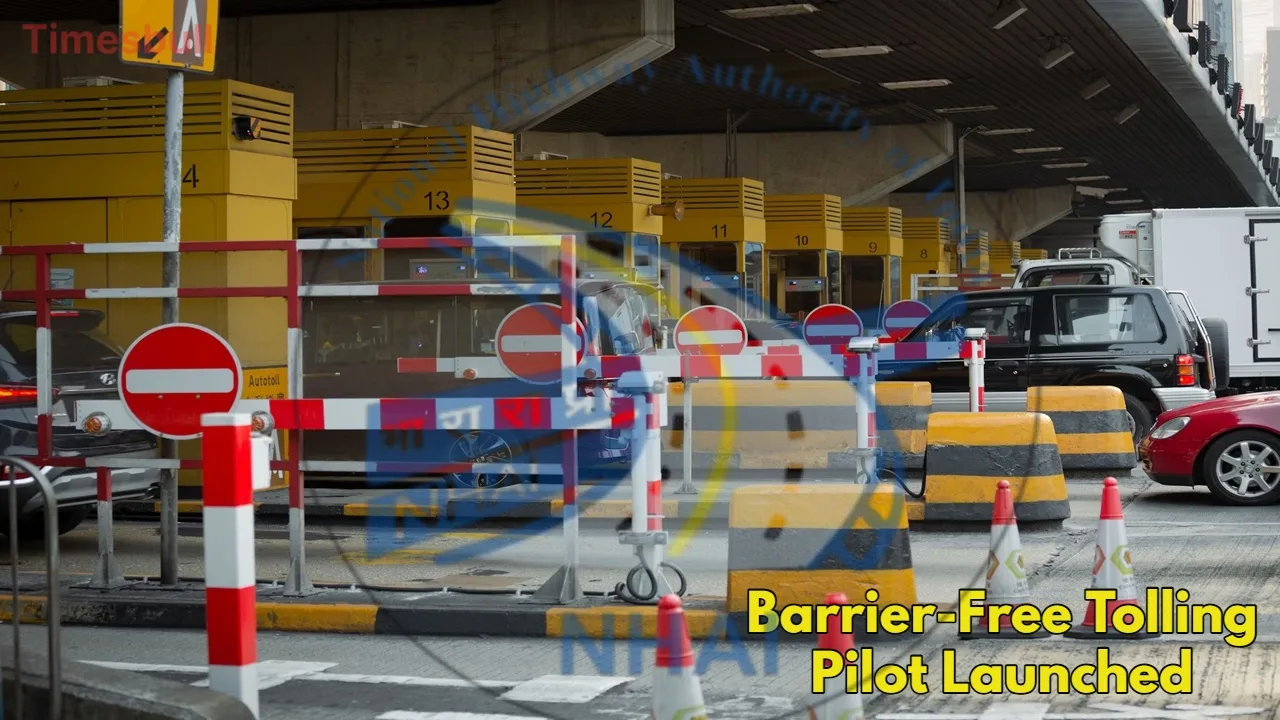
NHAI High-Tech Update 2026: A revolutionary change has begun for those traveling on India’s highway network. You no longer have to endure long queues at toll plazas, waiting for barriers to open, and wasting time. The country’s first barrier-free toll system has been successfully launched in Surat, Gujarat.
Under this new system, there will be no physical obstructions or barriers on the highway, allowing vehicles to pass through without slowing down. This technology will not only save fuel but also significantly reduce travel time, providing a permanent solution to the problem of highway traffic congestion.
How does this barrier-less technology work
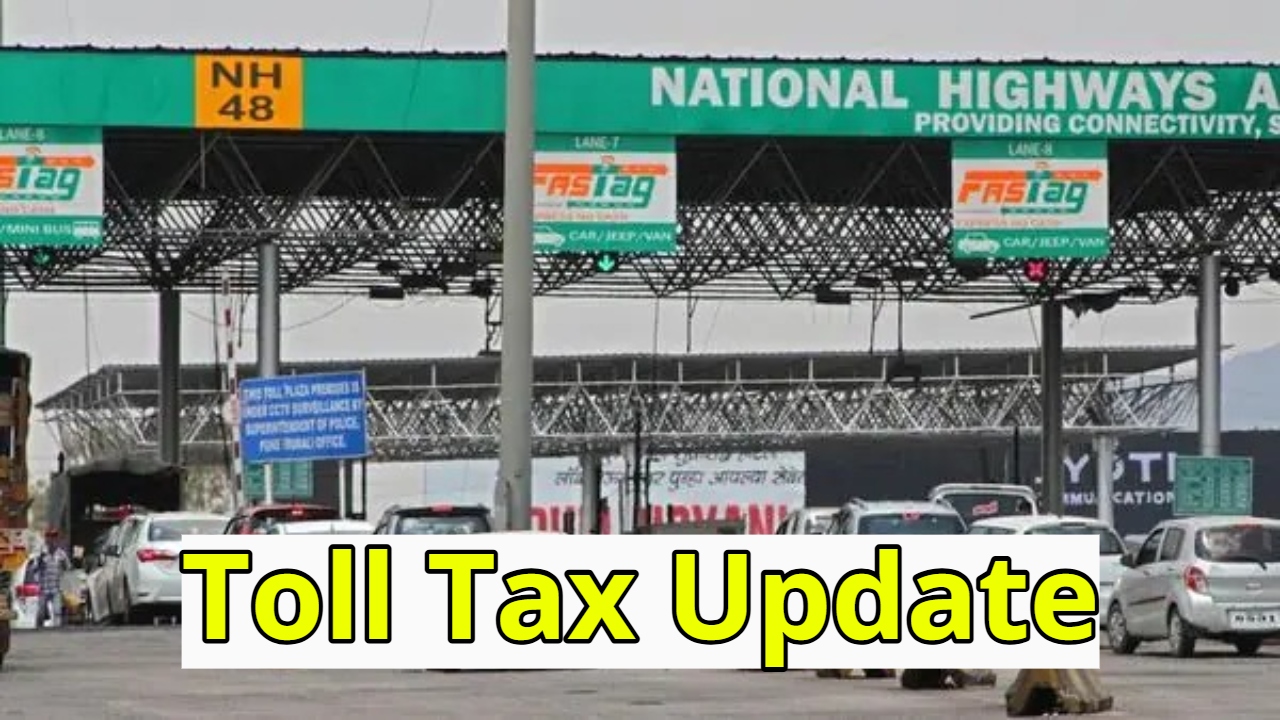
The entire system relies on a network of sophisticated sensors and cameras fitted to gates (gantries) above the road. Automated number plate recognition (ANPR) and high-resolution cameras are used to instantly read the license plates of vehicles passing at high speeds. Additionally, it is equipped with radar and lidar-based cameras that record 360-degree views of each lane.
As soon as a vehicle passes under these cameras, the system identifies the vehicle and connects directly to the NHAI server, automatically deducting the toll from the linked Fastag or bank account. Modeled after countries like Dubai and Australia, this technology is completely digital and transparent.
What if there’s no Fastag or low balance
Many people have questions about how toll collection will be done without a barrier if the vehicle doesn’t have a Fastag or has a low balance. The unique feature of this system is that it doesn’t rely solely on Fastags; even if a vehicle doesn’t have a Fastag, its cameras can identify the vehicle owner through the number plate.
In such cases, it will be considered a toll violation, and an alert will be immediately sent to the vehicle owner’s registered mobile number. If the toll is not paid within the stipulated time limit, the system will automatically generate an e-challan that will be sent directly to your address or updated on the vehicle portal.
Preparations for nationwide expansion
Following the success of this pilot project in Surat, the government now plans to implement it on other major expressways and national highways across the country. This system will also enable strict monitoring of those who attempt to evade tolls, as cameras record from every angle, making it impossible to escape.
In the future, this technology will work in conjunction with GPS-based tolling, where you will only be charged for the distance travelled. This change will not only bring Indian roads closer to global standards but will also provide travellers with a hassle-free and pleasant driving experience.
Latest News
- Apple MacBook Neo Deal Alert: Get It For Under ₹58,000 on Amazon Right Now

- Pakistan Attack: आत्मघाती हमले से दहला पाकिस्तान, 23 लोगों की मौत, 50 से ज्यादा घायल, जानें

- Honor Magic 9 Series Leaks: Flagship Upgrades with Massive 8,000mAh Battery and 200MP Cameras

- Motorola Edge 60 Fusion Review: Mid-Range King or Outdated?

- FD Update– Breaking Your FD Early? Know the consequences

- Bank Holiday–RBI Announces Closure of SBI, HDFC and All Banks Next Week, Save the Dates

- Samsung Galaxy S26 Ultra Amazon Deal – Get ₹23,509+ Discount with Bank Offers and Exchange Benefits

- Best Scooters For College Girls 2026 – Perfect Mix Of Mileage, Style And Lightweight Design
- Kodak Matrix QLED Google TV 2026 Series Launched in India Just Under 10,999

- Senior Citizen FD Rates: सीनियर सिटीजन को यहां से मिल रहा बंपर ब्याज, जल्द करें निवेश