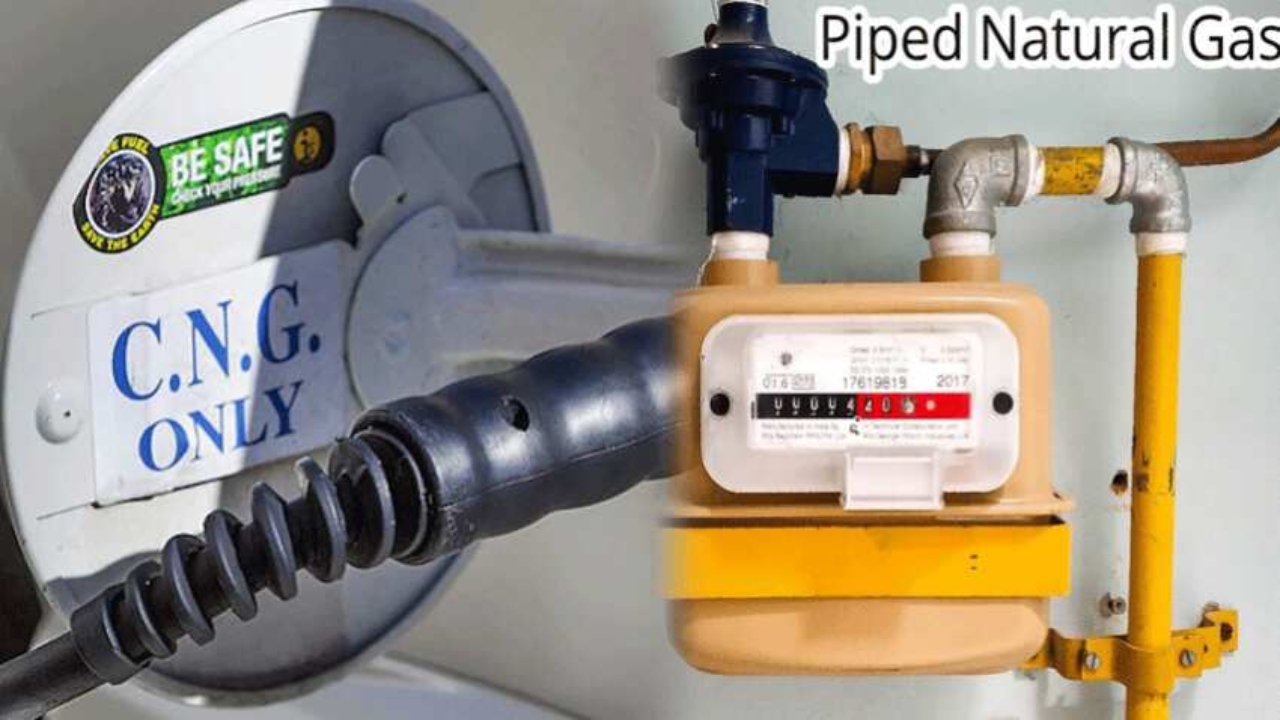
Starting January 1, 2026, CNG (Compressed Natural Gas) and PNG (Piped Natural Gas) prices are set to be significantly reduced across India. The Petroleum and Natural Gas Regulatory Board (PNGRB) has announced a major tariff rationalization, which will reduce gas prices by ₹2 to ₹3 per unit. This historic change is possible thanks to the new Unified Tariff Structure for gas pipelines. This decision will not only improve your kitchen budget but will also make CNG vehicle travel significantly more affordable.
What is the new Unified Tariff Structure
The PNGRB has completely overhauled the old and complex tariff system. Previously, there were three distinct zones based on pipeline distance, resulting in higher gas prices in remote areas. Under the old 2023 system, the tariff was ₹42 for distances up to 200 km, ₹80 for distances up to 1,200 km, and ₹107 for distances beyond that.
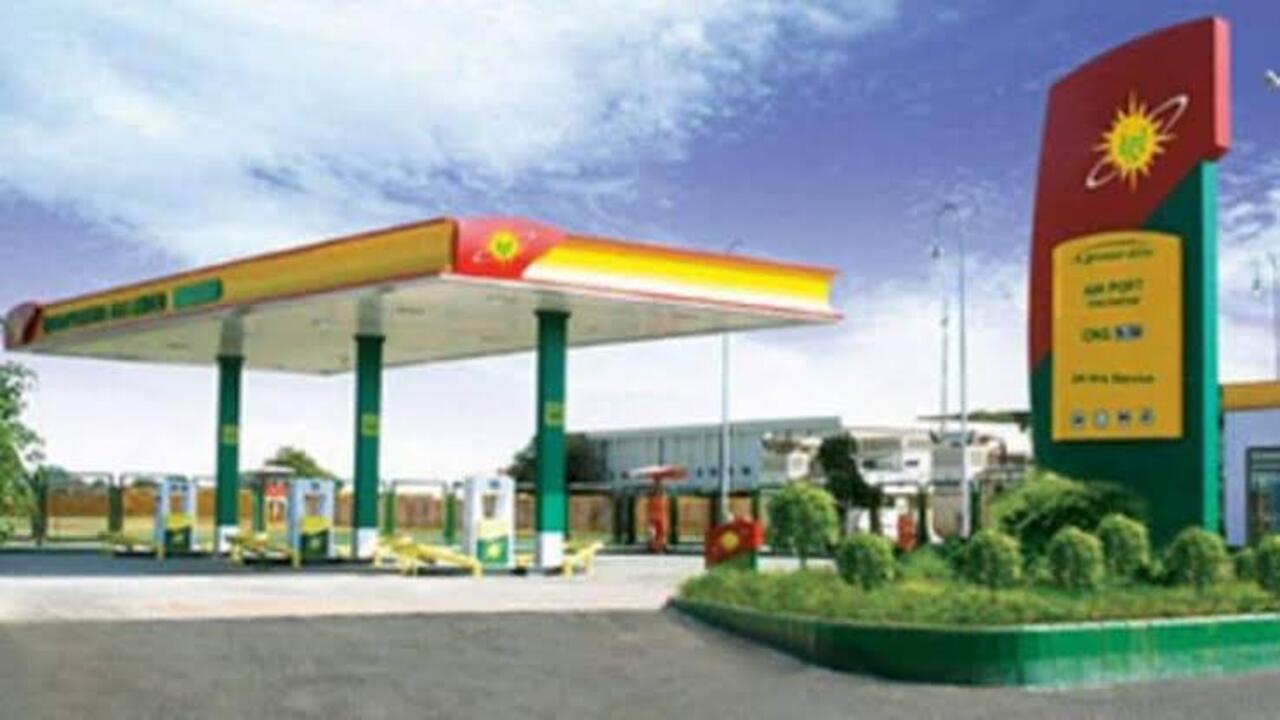
According to PNGRB member AK Tiwari, these three zones have now been reduced to just two. The biggest relief is that most domestic PNG and CNG customers in the country are now placed under ‘Zone 1’. A unified rate of ₹54 has been set for this, significantly lower than the previous ₹80 and ₹107. This change will directly save customers ₹2 to ₹3.
312 cities and 40 companies will be directly impacted
This tariff revision will benefit millions of consumers living in India’s 312 geographic areas. The 40 city gas distribution (CGD) companies currently operating in the country will now have to implement new, lower rates. This will most benefit families using piped gas (PNG) for cooking, and motorists who have adopted CNG as an alternative to petrol and diesel.
The PNGRB has clearly instructed gas companies to pass on the full benefits of this reduction directly to the public. The Board will regularly monitor this process to ensure the right balance between the interests of both operators and consumers. This move will also prove to be a lifeline for industrial units that rely on natural gas as fuel.
Affordable pipelines will now reach every home
Reducing prices is not the government’s sole goal; providing affordable gas to every corner of the country is also a priority. To this end, licenses have been granted to public sector companies (PSUs), private institutions, and joint ventures to lay pipelines across the country. PNGRB is no longer just a regulator, but is acting as a facilitator to ensure better coordination between gas companies and governments.
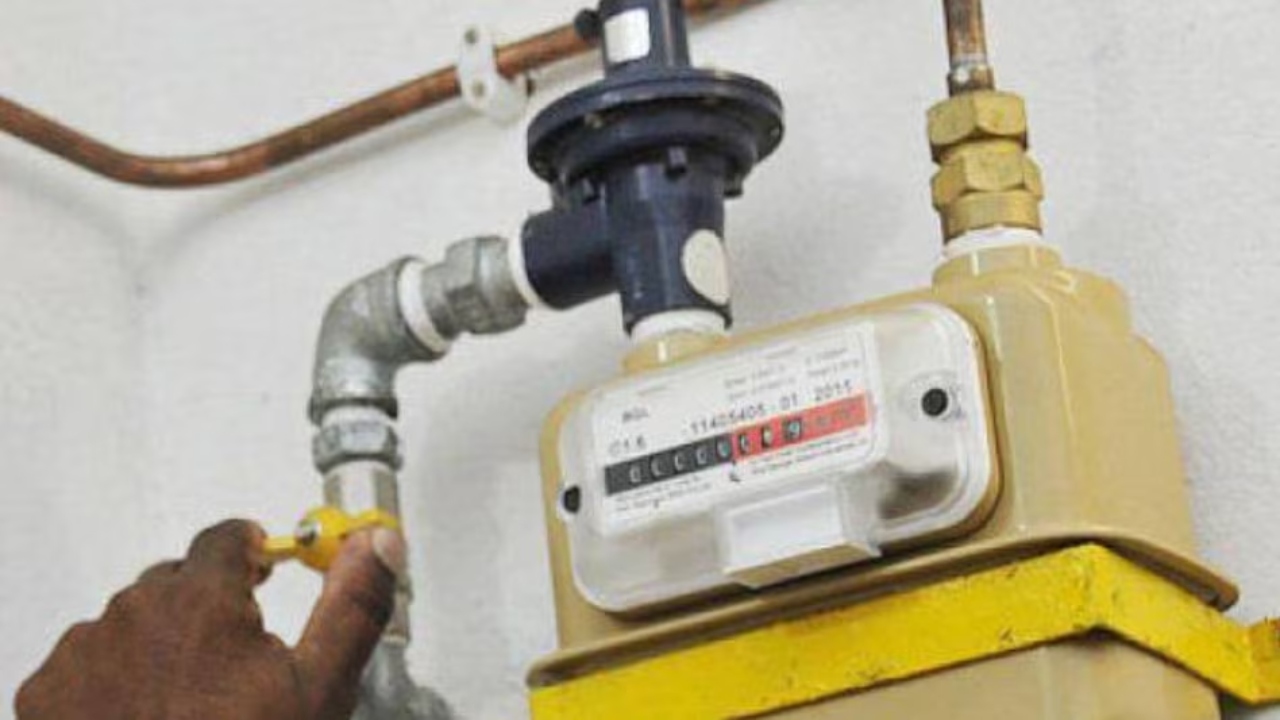
In many states, in collaboration with state governments, there is an emphasis on reducing VAT (Value Added Tax) and simplifying the approval process. This will accelerate the laying of gas pipelines and significantly boost natural gas consumption in India. This government initiative will not only reduce inflation but also help reduce pollution by promoting environmentally friendly fuels.
Gas will provide relief from inflation and smoke
This is a revolutionary step towards making India a gas-based economy. CNG and PNG are not only cheaper than petrol and diesel, but they also do not harm the environment. Tariff rationalization will reduce the gap between gas demand and supply. Overall, these new prices, effective January 1, 2026, will directly translate into savings for the common man, and we will start the new year with a smile of relief.
Latest News
- PM Surya Ghar Yojana 2026: Get Up to Rs 78,000 Subsidy within 6 Easy Steps, Know Here
- Cheapest Available 5G Smartphones in India Under 10000

- UPSC Prelims Answer Key 2026 – How to Download UPSC Prelims Answer Key at upsc.gov.in

- 8th Pay Commission: एनपीएस और पुरानी पेंशन में कौन सी बेहतर, जानिए बड़ा अपडेट

- Xiaomi 17T Launching With Leica 5x Zoom and Huge 6,500mAh Battery Under ₹60,000

- NEET UG 2026 – Haryana & Bihar Announce Free Bus Service for Candidates on June 20-21

- PM Kisan 23rd Installment: Farmers to get Rs 2000 in June? Know Here

- Best Premium Smartwatches Under ₹10,000: Upgrade to Luxury Metallic Builds, AMOLED Screens, and In-Built GPS

- Maruti Dzire CNG Continues Dominance – Fuel Efficient Sedan Wins Indian Families

- Vivo Y600 Turbo Set to Debut: Featuring a 165Hz Display, Dimensity 8500, and a Massive 9,020mAh Battery