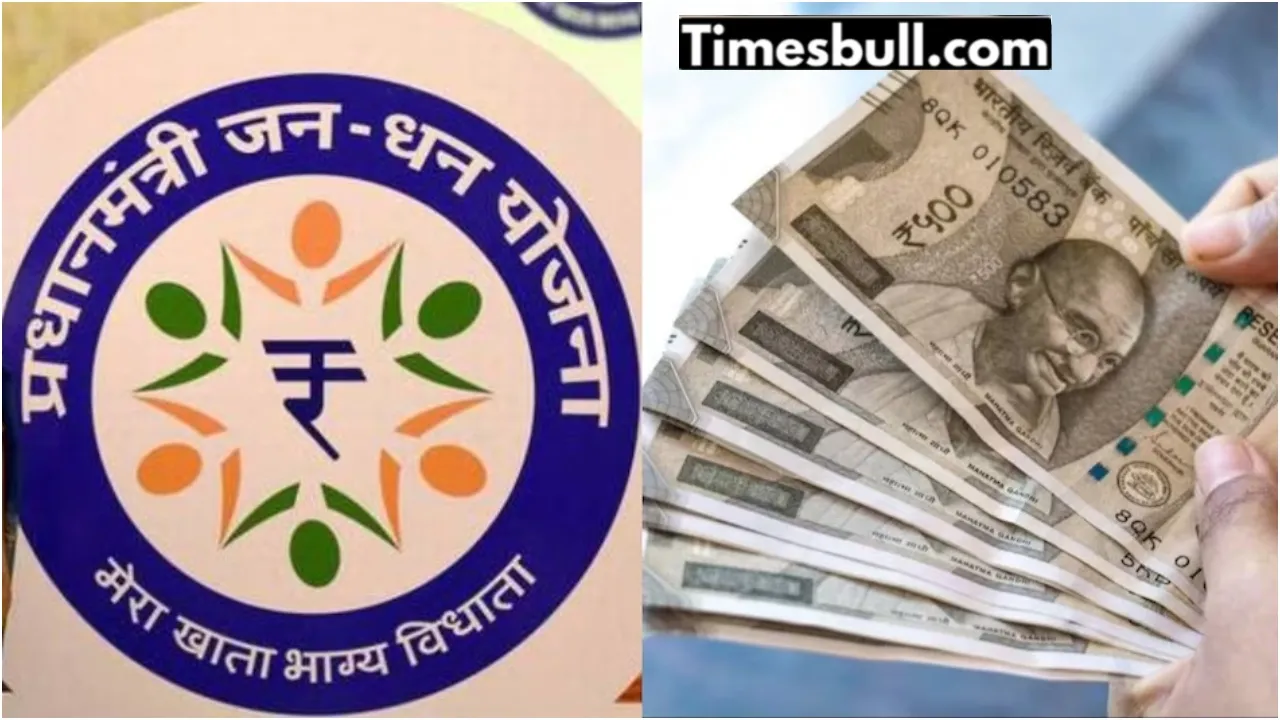
Jan Dhan Account: Big news for Jan Dhan account holders. There has been a significant increase in inactivity of bank accounts linked to the Pradhan Mantri Jan Dhan Yojana (PMJDY), which remains a matter of concern for the financial inclusion of the country.
As of the end of September 2025, there were a total of 54.55 crore Jan Dhan accounts, out of which approximately 26%, i.e. 14.28 crore accounts, have become inactive. This percentage has increased from 21% last year, which reflects the challenging situation. Notably, this problem is more visible in large public sector banks, such as Bank of India, which has 33%, Union Bank has 32%, and State Bank of India, where the number of inactive accounts has increased from 19% to 25%.
Dormant accounts are those that have not seen any transactions for two years. Under Reserve Bank of India regulations, such accounts are declared inactive or dormant. Launched in 2014, the Pradhan Mantri Jan Dhan Yojana aimed to increase financial inclusion in poor and rural areas so that every citizen can access banking services. The scheme offers a variety of benefits, including opening zero-balance accounts, accident and life insurance, and pension plans.
However, the increasing number of inactive accounts raises questions about the scheme’s success. The main reasons for this include account holders’ failure to update their KYC, a decline in economic activity, and a lack of financial awareness. To address this issue, the government has directed account holders to complete the e-KYC process to ensure their accounts remain active and they can benefit from government welfare schemes.
To this end, the Ministry of Finance and banks are making efforts to increase awareness in the secondary sector. Strengthening financial literacy in rural and backward areas is also crucial so that more people can access banking and manage their accounts properly. The Pradhan Mantri Jan Dhan Yojana has made a significant contribution to economic inclusion by connecting millions of people to the formal banking system, but continued efforts are necessary to reduce inactivity.
Latest News
- Tata Tiago Facelift Launching Soon – Aggressive Design And High-Tech Cabin Revealed

- LPG Gas Connection Transfer Made Easy, Learn the Complete Process

- New Honda City Facelift 2026 Launched – Sporty Coupe Look And ADAS Safety Revealed

- 8th Pay Commission: केंद्रीय कर्मचारियों की बढ़ेगी बंपर सैलरी! आयोग ने उठाया यह बड़ा कदम

- China: चीन के कोयला खदान में भयंकर विस्फोट, 90 लोगों की गई जान, पीएम मोदी ने भी जताया दुख

- Weather warning – Heavy Rain, thunderstorms, lightning Alerts for 13 States Over Next 3 Days

- UP TGT Exam City Slip 2026 Released – Download at upessc.up.gov.in, Exam June 3-4
- ATM Alert: एटीएम में फंस जाए डेबिट कार्ड तो घबराएं नहीं, फटाफट यह काम करने से होगा समाधान

- Post Office Scheme – 7.5% Interest Rate, ₹5 Lakh Becomes ₹7,24,974 in 5 Years, Start with Just ₹1,000
- Best AI Video Editing Laptops Under 60,000 INR: Top Picks Her