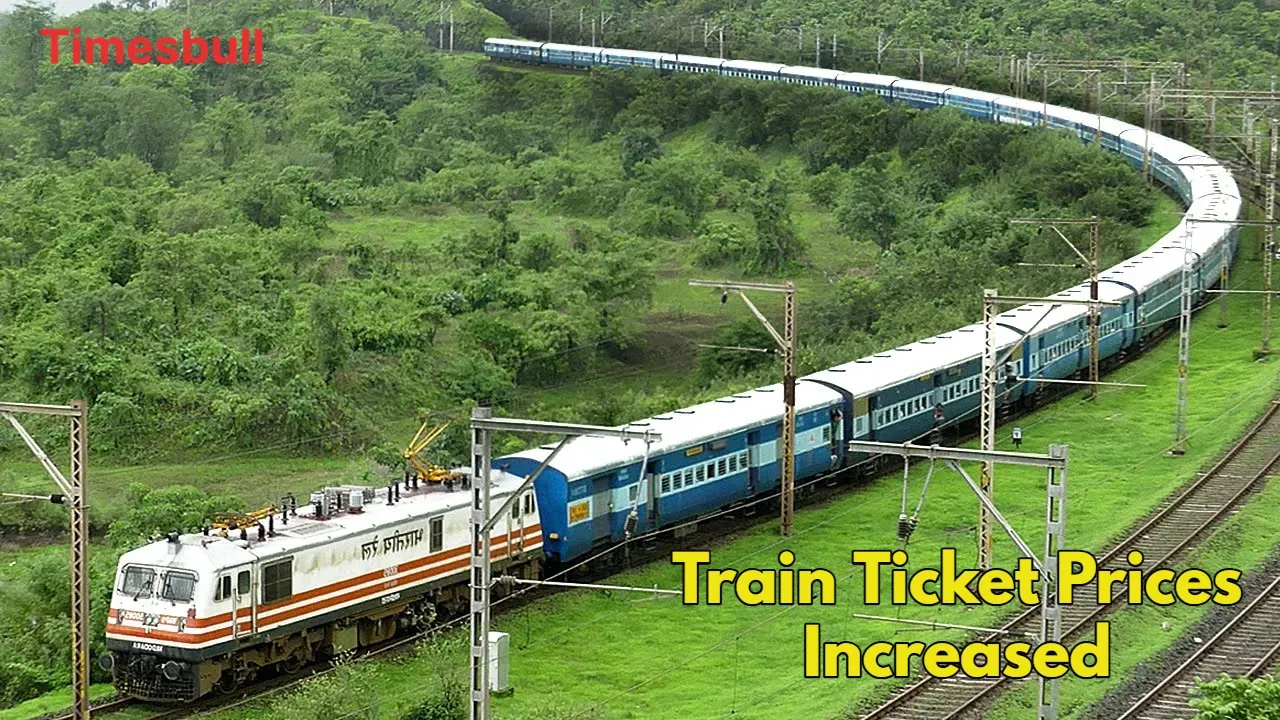
Indian railways has taken a major and decisive decision, announcing an increase in passenger fares. Under Business Idea: Start These 4 Businesses With Low Investment, Then Earn Big Every Month” new rules, effective December 26, 2025, travel in almost all classes, including general, sleeper, and AC, has become more expensive. The railway administration states that this step was a necessary step to balance the ever-increasing operating costs, increased employee salaries, and the increasing burden on pensioners. However, keeping passengers’ interests in mind, significant relief has been provided to those who booked their tickets before the official fare hike announcement.
Why the Railway Fare Increase
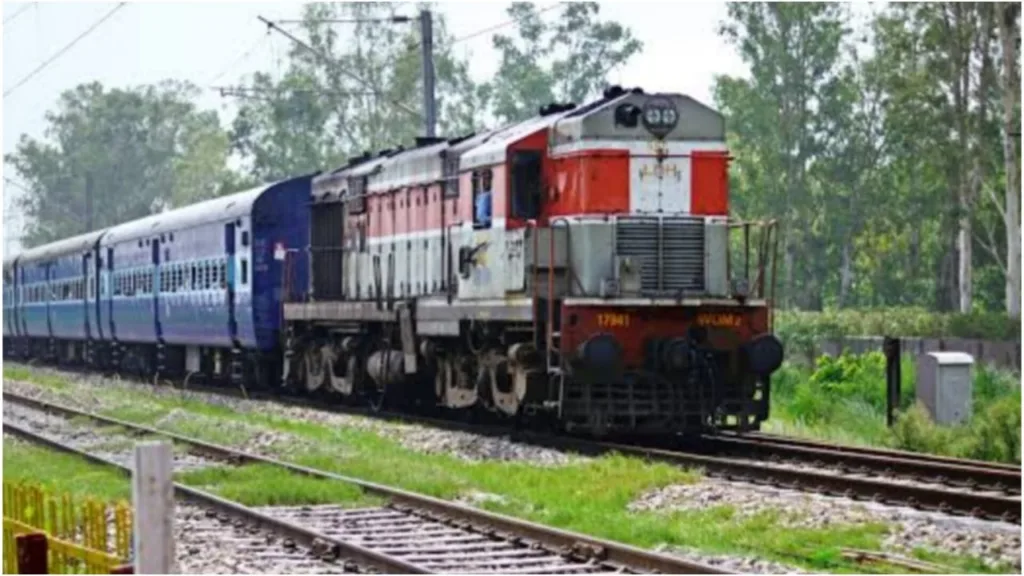
According to the Railways, maintaining financial balance is crucial to maintaining smooth train services and providing passengers with excellent facilities. Over the past few years, there has been a significant increase in employee salaries and maintenance expenses. This rationalization of passenger fares has been done to make railway operations financially sustainable. The Railways believes that this modest increase will help modernize trains and enhance safety in the future.
TTEs will not levy extra charges
Each time a fare hike occurs, passengers traveling on trains have to pay extra fares to the TTEs, which has led to considerable debate. However, this time, the Railways has issued a firm clarification that passengers who reserved their seats before December 26th will not be charged the increased fare. This rule is similar to air travel, where the increased fare does not apply to existing passengers once the ticket is booked. This decision is a major relief for millions of people who plan their travel months.
General and Sleeper Class Fares Based on Distance
The Railways has divided the fare hike into different slabs based on distance. It’s a relief that there has been no fixed change in general and second-class fares for short journeys up to 215 km. However, as the distance increases, the burden also increases.
₹5 will be charged for journeys from 216 km to 750 km. ₹10 will be charged for journeys from 751 km to 1250 km, ₹15 for journeys from 1251 km to 1750 km, and ₹20 for journeys from 1751 km to 2250 km. The base fare in non-AC sleeper and general classes has been increased by an average of 1 paisa per kilometer.
Impact on premium and mail/express trains
For mail and express trains, the Railways have increased fares by a fixed rate of 2 paisa per kilometer. This rule applies equally to both non-AC and AC (sleeper, third AC, second AC, and first AC). For example, if you travel 500 km by express train, you will have to pay approximately ₹10 extra.
This steep hike has been implemented on all the country’s prestigious trains, such as Vande Bharat, Rajdhani, Shatabdi, Duronto, Tejas, and Amrit Bharat Express. Furthermore, travel by Humsafar, Garib Rath, and Namo Bharat Rapid Rail has also become more expensive than before.
Discounts for Local Trains and Daily Passengers
To protect the common man and daily commuters from this inflation, the Railways has provided a shield. There has been no increase in the fares of local trains (Suburban Services) operating in major cities like Mumbai, Kolkata, and Chennai. Furthermore, the prices of any type of Monthly Season Ticket (MST), whether suburban or non-suburban, have remained untouched. This decision is a significant relief for millions of workers who depend on trains for their daily needs.