
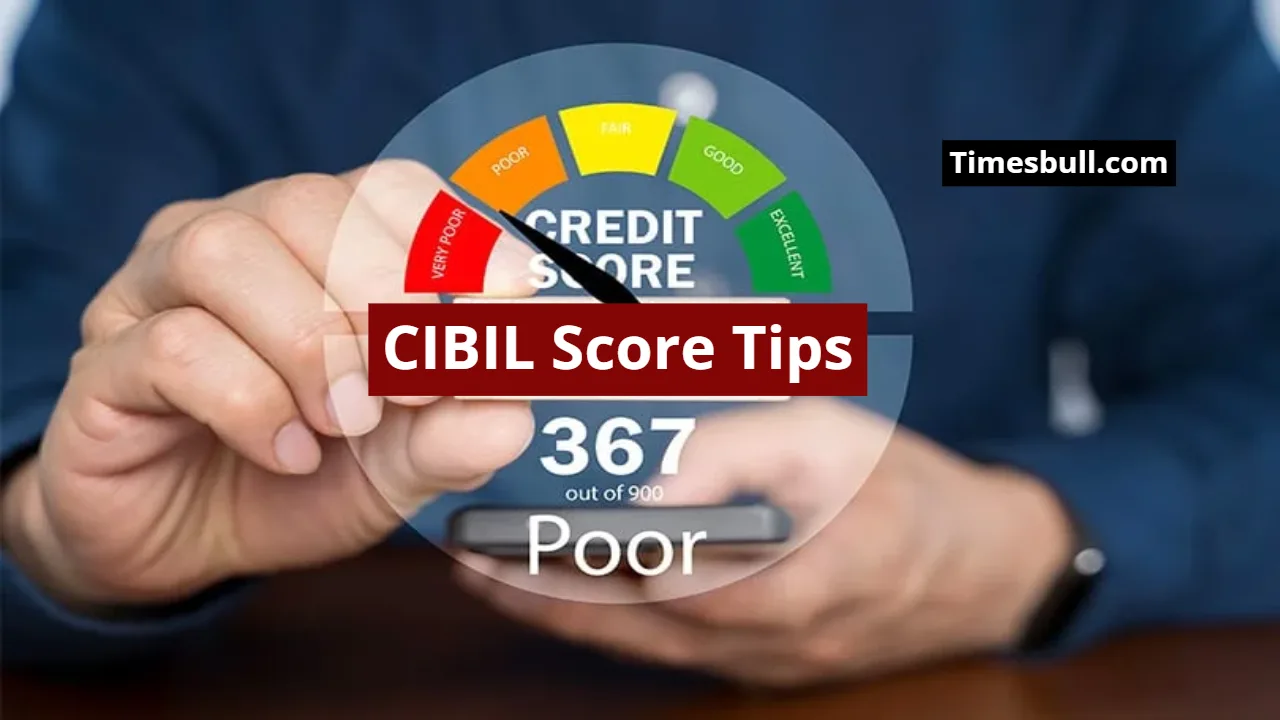
In today’s world, credit cards have become more than just a means of payment, but also a financial tool. With the increasing digital lifestyle and online shopping, people are choosing to have multiple credit cards. Having multiple cards increases your total credit limit and can also benefit from various bank offers, cashbacks, and reward points.
But it’s also important to understand the flip side. Having too many credit cards puts pressure on your financial management skills. Sometimes, even a small mistake can harm your CIBIL score. Factors like missing payment dates, spending beyond your limit, the burden of annual fees, and making only minimum payments can weaken your financial situation in the long run. Therefore, it’s crucial to understand some important things when using multiple credit cards.
Danger of missing due dates and impact on your score
When a person has multiple credit cards, each card has a different billing and payment date. In such a situation, if even a single payment is missed on time, the bank may impose a late fee and record it as a negative entry in the credit report. If this happens repeatedly, the CIBIL score can drop rapidly. It’s best to note the payment dates for all cards in a calendar and use features like auto-debit to reduce the chance of mistakes.
High Credit Utilization Increases Risk
The credit utilization ratio plays a key role in determining your credit score. If you spend too much of your total limit, it can negatively impact your credit profile. Financial experts generally recommend not using more than 30 percent of your total limit. Having multiple cards can make it difficult to control spending, leading to unintentional overspending and impacting your score.
Increasing Financial Pressure of Annual Fees
Many credit cards charge annual fees, especially premium cards. If a person has multiple cards, they can spend a significant amount each year just on fees. If a card hasn’t been used for a long time, it may be wise to consider closing it. The right card is the one that best suits your needs and spending habits.
The Long-Term Disadvantages of Minimum Due Payment
The minimum due feature on credit card bills is meant to protect against default. However, if a person only pays the minimum amount each time, heavy interest is charged on the remaining amount. This can gradually increase the total outstanding balance. Paying the full bill saves interest and protects your credit score.
Tracking Reward Points is Also Important
Reward points on different cards have different expiration dates. Sometimes people fail to use them on time, and the benefits expire. Therefore, it’s important to stay informed about the rewards on all cards and redeem them promptly.
Latest News
- Weather warning – Heavy Rain, thunderstorms, lightning Alerts for 13 States Over Next 3 Days

- UP TGT Exam City Slip 2026 Released – Download at upessc.up.gov.in, Exam June 3-4

- ATM Alert: एटीएम में फंस जाए डेबिट कार्ड तो घबराएं नहीं, फटाफट यह काम करने से होगा समाधान

- Post Office Scheme – 7.5% Interest Rate, ₹5 Lakh Becomes ₹7,24,974 in 5 Years, Start with Just ₹1,000

- Best AI Video Editing Laptops Under 60,000 INR: Top Picks Her

- Best CNG Cars: पेट्रोल के बढ़ते दाम के बीच ये सीएनजी गाड़ी खरीदकर खर्च करें कम, माइलेज भी जबरदस्त

- Samsung Stable One UI 8.5 Update to Galaxy Tab S10 FE and Tab S10 FE+

- बुढ़ापे की लाठी बनेंगी ये तीन स्कीम्स, निवेश से पहले जानिए कितना मिल रहा ब्याज

- OnePlus Nord CE 6 vs Samsung Galaxy A57: Which Mid-Range 5G Phone Wins?

- Lenovo LOQ 15 Gen 11 Review: Best Budget Gaming Laptop?