
If The Premium is Paid For Three Years, Can a Company Reject The Life Insurance Claim?
Life Insurance: The purpose of life insurance is not just to accumulate money, but it is the strongest shield for your family's financial security. Especially plans like term insurance, in which the sum assured is large, prove to be a guarantee for the family's future.

 Join Us
 Add as a preferred
Life Insurance: The purpose of life insurance is not just to accumulate money, but it is the strongest shield for your family’s financial security. Especially plans like term insurance, in which the sum assured is large, prove to be a guarantee for the family’s future. But often people have this question in their mind that if the premium is paid continuously for three years, can the insurance company still refuse to give the claim?
Importance of Insurance Law and Section 45

The answer to this question is found in Section 45 of the Insurance Law (Amendment) Act 2015. According to this section, if a life insurance policy has been in force for three consecutive years, then after that, the insurance company cannot challenge it on any basis. This provision came into force after the amendment to the Insurance Act 1938.
When does the counting of three years start
This period starts from the date of issue of the policy, the date of commencement of risk, the date of reinstatement of the policy, or the date of addition of a new rider. Whichever date is the latest, that is considered the basis. This period is called the Contestability Period.
Why are the first three years important?

The highest risk of claim rejection is in the first three years. During this time, if the insurance company feels that the policyholder had given wrong information or some facts were hidden, then the company can investigate and reject the claim if required. In this situation, if fraud is proved, the premium can also be confiscated. At the same time, if the wrong information is not given intentionally and fraud is not proved, then the premium can be refunded.
Read Here- Hyundai Aura 2025: A Smart Choice for Urban Commuters?
What happens after the completion of three years
After the completion of three years, the insurance company does not have the right to challenge the policy. Even if the information is given wrongly or any fact is hidden, the company cannot reject the claim. The claim can only be denied if the company can prove that the fraud was intentional, which is legally very difficult.
Pal Rohit
Next Article
IPL 2026 Update: सीएसके का फिर बुरा हाल, अगले सीजन से इन खिलाड़ियों का कटेगा पत्ता!
कुछ ने बुरी तरह निराश भी करने का काम किया है. आईपीए 2027 के मिनी ऑक्शन से पहले सीएसके कुछ खिलाड़ियों का पत्ता काट सकती है. पांच ऐसे खिकाड़ी हैं जिनकी सीएसके से छुट्टी होनी तय मानी जा रही है. प्रशांत वीर का प्रदर्शन भी काफी खराब रहा है.

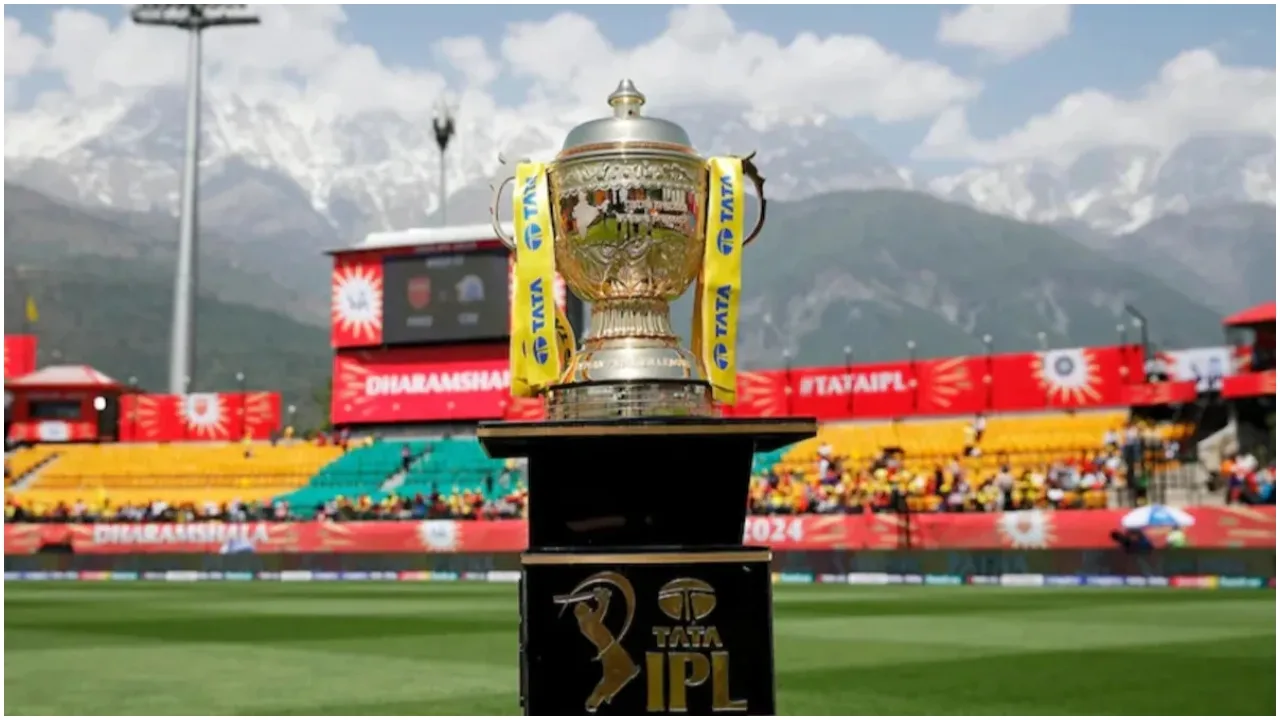
Players CSK Can Release: चेन्नई सुपर किंग्स के लिए आईपीएल 2026 सेशन भी किसी अभिशाप की तरह रहा है. अपने लीग स्टेज में भी सीएसके की टीम बाहर हो चुकी है, जिससे फैंस और खिलाड़ियों के चेहरे पर काफी निराशा देखने को मिल रही है. दूसरी तरफ सीएसके की टीम ने कुछ मैचों में काफी बढ़िया प्रदर्शन किया, जिन्होंने फैंस को प्रभावित किया है.
कुछ ने बुरी तरह निराश भी करने का काम किया है. आईपीए 2027 के मिनी ऑक्शन से पहले सीएसके कुछ खिलाड़ियों का पत्ता काट सकती है. पांच ऐसे खिकाड़ी हैं जिनकी सीएसके से छुट्टी होनी तय मानी जा रही है. प्रशांत वीर का प्रदर्शन भी काफी खराब रहा है. उन्होंने उन्हें 14.20 करोड़ रुपये में खरीदने का काम किया था. लेकिन उनके प्रदर्शन से टीम मैनेजमेंट काफी निराश है. 6 मैचों में उन्होंने मात्र 90 रन बनाए.
Write a Comment