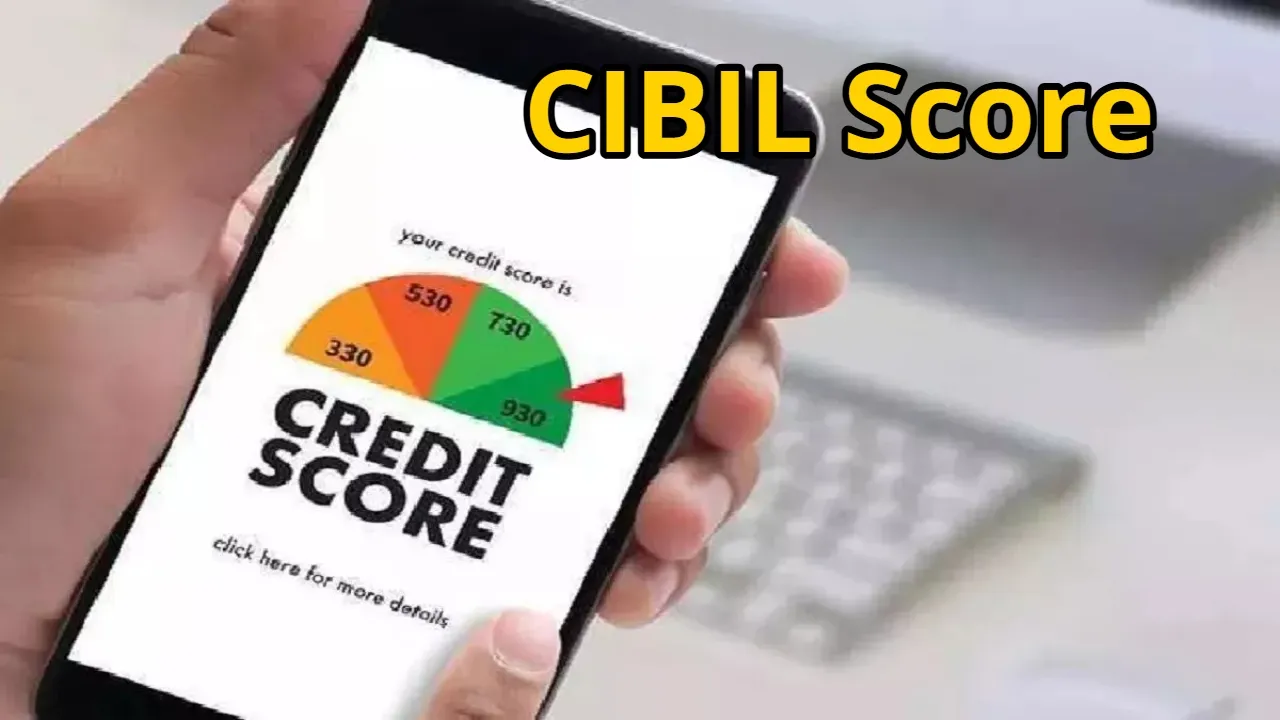
CIBIL score: If you’re applying for a loan from a bank, your CIBIL score should be good. The CIBIL score reflects your creditworthiness. A CIBIL score ranges from 300 to 900. It indicates your creditworthiness and your ability to repay your loans on time and manage your finances responsibly, while a poor score indicates a risk of default or delayed payments. If your CIBIL score has dropped, there’s no need to worry; with your efforts, you can improve it by the end of the year.
Read Here: Life Certificate 2025: Pensioners Can Do Face Authentication from Home Using Smartphone
Learn What a CIBIL score
The CIBIL score reflects your credit history and financial behavior. A score of 650 to 700 or higher is considered good. This increases your chances of loan or credit card approval. A better score also benefits interest rates and credit limits, providing financial security.
How to Improve Your CIBIL Score
- The most important step to improving your CIBIL score is to pay off all outstanding balances. Late payments negatively impact your score. If you have multiple credit cards or loans, it’s best to consolidate them into a single loan to ensure secure payments.
- Also, don’t pay EMIs that exceed 30% of your monthly salary. This demonstrates your repayment capacity to the loan recipient and strengthens your credit profile.
- Keep your credit card balances low and apply for new credit wisely. Regular payments can improve your credit history.
Read Here: Pradhan Mantri Jeevan Jyoti Bima Yojana: Insurance Cover of Rs 2 Lakh For Just Rs 436
- Don’t rely solely on unsecured loans, such as personal loans or credit cards. Secured loans, such as home loans or auto loans, also strengthen your credit profile.
- Check your credit report regularly to correct any inaccuracies. This will help monitor your score and allow you to take necessary steps to improve it.