Pm Awas Yojana: In today’s times, building your own home is no less than a formidable challenge. Skyrocketing property prices and Home Loan interest rates often overwhelm the common man’s budget. However, for first-time homebuyers in 2026, the Business Idea: Start These 4 Businesses With Low Investment, Then Earn Big Every Month”/gas-cylinder-why-was-the-number-of-subsidized-cylinders-reduced-government-explains-the-reaso-750917.html" class="tb-related-post-link" rel="bookmark">Gas Cylinder: Why Was the Number of Subsidized Cylinders Reduced? Government Explains the Reaso and banks have jointly developed some powerful schemes that will not only ease the burden of EMIs but also make their dream of owning a home achievable. Direct subsidies of up to ₹1.80 lakh and substantial income tax exemptions under the Pradhan Mantri Awas Yojana (PMAY) 2.0 now provide a strong foundation for your dream home.
₹1.80 Lakh Subsidy on Home Loan
The government’s most ambitious scheme, Pradhan Mantri Awas Yojana (PMAY) 2.0, has emerged as a pillar of strength for the urban middle and lower classes. Under this scheme, if you take a home loan of up to ₹25 lakh, you can get an interest subsidy of up to ₹1.80 lakh.
This subsidy is directly deposited into your loan account in annual installments over 5 years. Its biggest advantage is that it reduces your outstanding principal, significantly reducing your monthly EMI. This is a boon for families who are reluctant to pay high installments in the initial years.
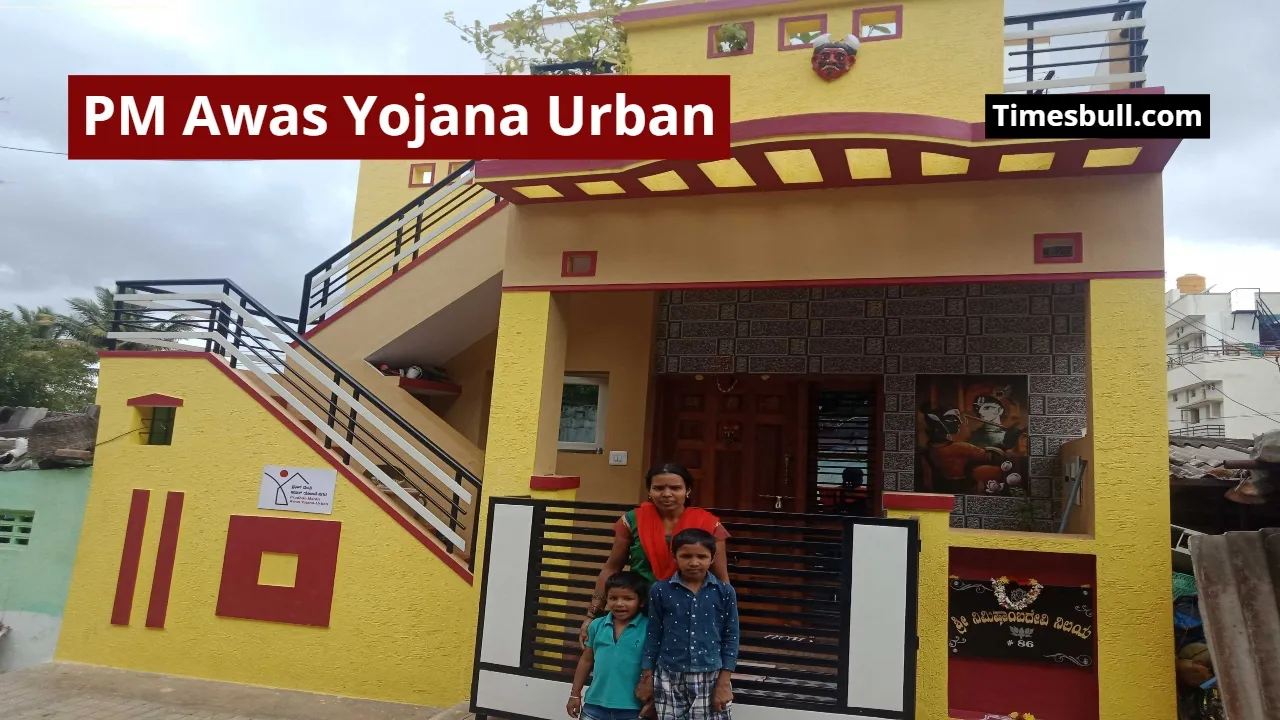
PMAY 2.0 Eligibility
PMAY 2.0 has been designed keeping in mind the needs of different economic segments of society. It has three main categories. First is the Economically Weaker Section (EWS), whose annual income is up to ₹3 lakh. Next is the Low Income Group (LIG), whose income is between ₹3 lakh and ₹6 lakh. Finally, there’s the Middle Income Group (MIG), which includes families with annual incomes between ₹6 lakh and ₹9 lakh. If you fall into any of these categories and don’t own a permanent home anywhere in the country, you can take advantage of this steely scheme.
Income Tax Savings
In addition to subsidies, India’s income tax laws offer significant tax benefits to home loan borrowers. If you plan well, you can significantly reduce your taxable income. Under Section 24(b) of the Income Tax Act, you can claim a deduction of up to ₹2 lakh per year on home loan interest payments. Additionally, you can avail an additional tax deduction of up to ₹1.5 lakh on loan principal repayment under Section 80C. These two benefits together reduce the total cost of your loan by lakhs of rupees, making homebuying a safe and smart investment.
Special Mission for Urban Areas
The main objective of Pradhan Mantri Awas Yojana-Urban (PMAY-U) 2.0 is to accelerate the dream of “Housing for All.” This scheme was launched in April 2022 and will remain in effect until December 2025 (with a possible extension). It provides financial assistance for purchasing, constructing, or upgrading a home in urban areas.
The scheme gives priority to widows, single women, senior citizens, persons with disabilities, and SC/ST communities. The government is also promoting Affordable Rental Housing Complexes (ARHCs) in collaboration with states to provide shelter to migrant workers in cities.
Banks’ Step-Up and Flexible Loans

These days, banks are also offering flexible loan products for first-time homebuyers. Step-up Home Loans are one such option, where your EMIs are initially low and increase as your career progresses and income increases.
Furthermore, the home loan tenure is now available for up to 30 years, reducing the burden of monthly installments. Many banks also offer special interest rate discounts for female applicants, making it even easier to maintain your flexible budget.
How to Apply
The application process for PMAY-U 2.0 is now completely digital and flexible. You can apply online by visiting the official portal pmaymis.gov.in. You will need your Aadhaar card, income certificate, proof of address, and a self-declaration stating that you do not already own a permanent home. The last date for application is usually kept around 30th September 2025, so do not delay in checking your eligibility.