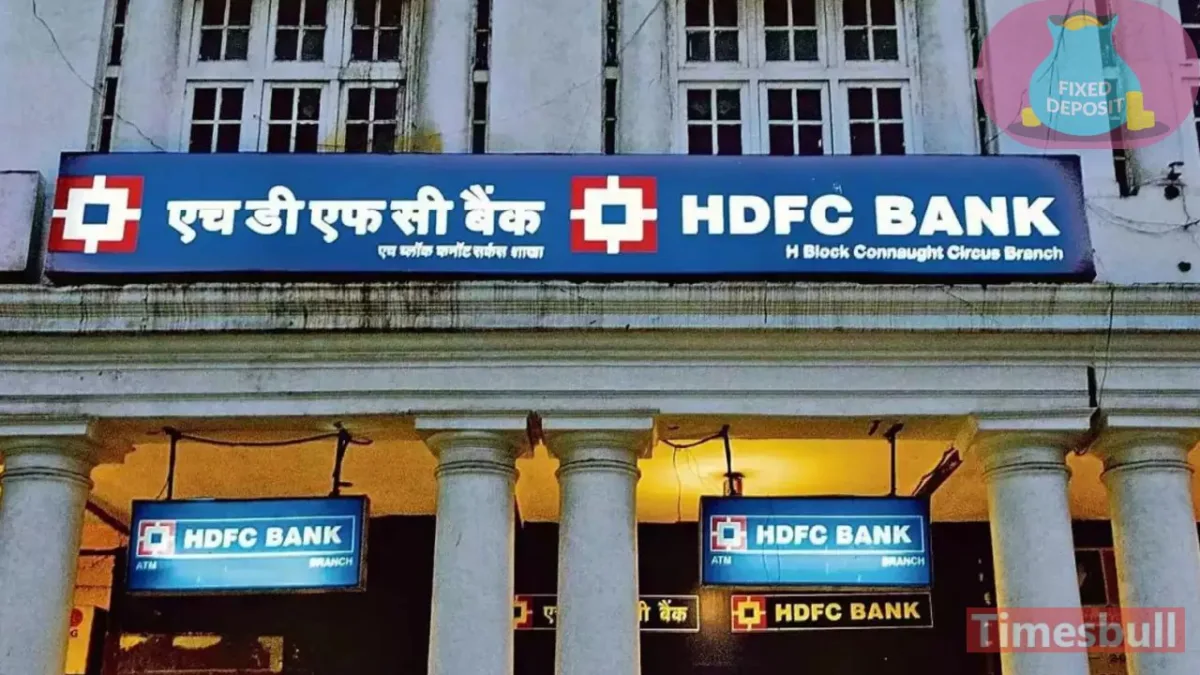
HDFC Bank: India’s largest private sector lender, HDFC Bank, has now completed the complex integration process of its historic merger, and the market is now keenly watching how this giant banking institution will renew its market share battle.
The recently announced Q3 FY26 results clearly indicate that the bank has entered a new era of “profitable growth” and “balance sheet optimization,” with the primary focus on deposit mobilization and maintaining profitability, rather than mere expansion.
New Profit Pace
HDFC Bank reported a net profit of ₹18,650 crore in the third quarter of the current financial year, representing a steady 11.5 percent year-on-year growth and a testament to the bank’s operational efficiency. The bank’s net interest margin (NIM) has also seen a gradual improvement, now reaching 3.35%.
The biggest relief for analysts has been the bank’s asset quality, as gross NPAs have remained stable at 1.24%, underscoring the bank’s strict credit discipline and robust risk management despite the challenges posed by the merger.
The Bank Biggest Test
The biggest challenge facing HDFC Bank after the merger has been balancing its loan-to-deposit ratio (LDR). The bank’s credit book has grown significantly, and CEO Sashidhar Jagdishan has now made it clear that the bank is focusing on raising deposits through deep customer relationships rather than aggressive interest rates.
The bank’s total deposits grew 12.2 percent year-on-year to ₹28.60 lakh crore, and the bank’s medium-term goal is to reduce its LDR from the current level of approximately 98 percent to a healthy level of 90 percent, for which the bank is fully utilizing the potential of its vast and old branch network.
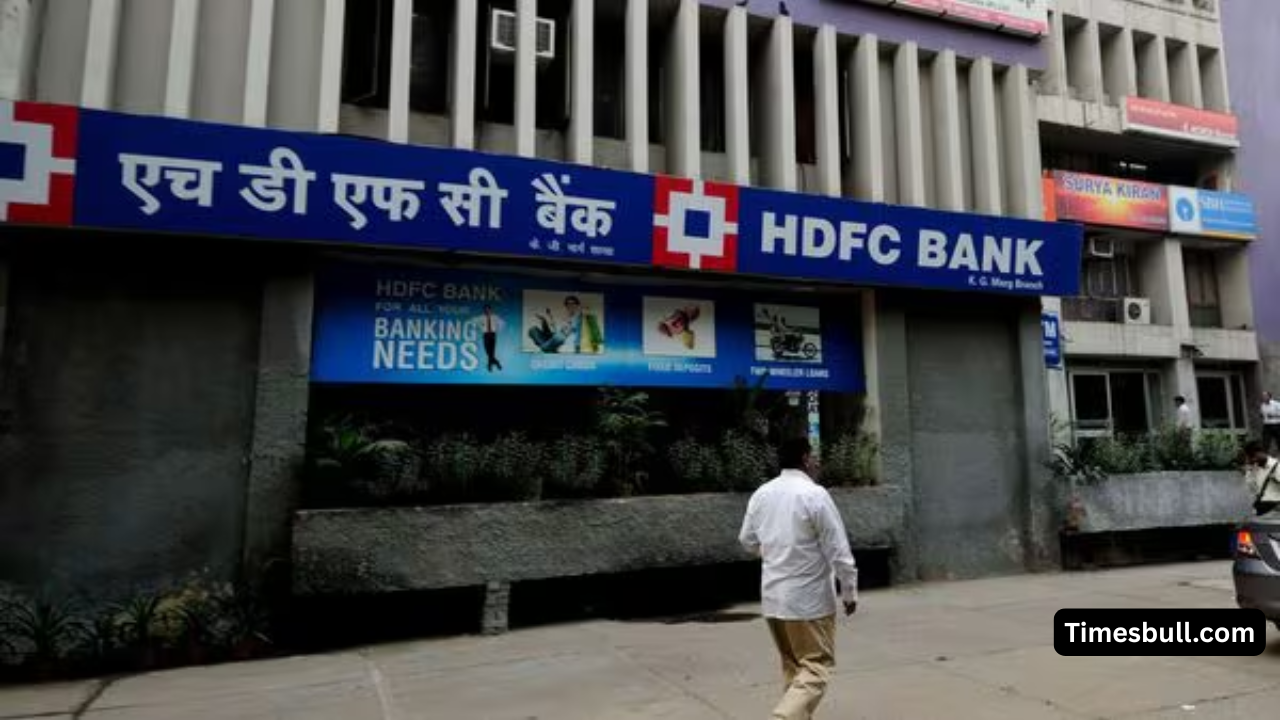
New Market Share and Cross-Selling Strategy
HDFC Bank currently commands approximately 11 percent deposit share and 29 percent credit card spend share, with only 6.5 percent branch share in the banking system, demonstrating its efficiency.
The bank’s new strategy is entirely based on cross-selling, linking home loan customers to the bank’s other products, such as savings accounts and insurance. According to data, almost all mortgage customers now also share a savings account with the bank, which is helping the bank provide low-cost funding.
Latest News
- Weather warning – Heavy Rain, thunderstorms, lightning Alerts for 13 States Over Next 3 Days

- UP TGT Exam City Slip 2026 Released – Download at upessc.up.gov.in, Exam June 3-4

- ATM Alert: एटीएम में फंस जाए डेबिट कार्ड तो घबराएं नहीं, फटाफट यह काम करने से होगा समाधान

- Post Office Scheme – 7.5% Interest Rate, ₹5 Lakh Becomes ₹7,24,974 in 5 Years, Start with Just ₹1,000

- Best AI Video Editing Laptops Under 60,000 INR: Top Picks Her
- Best CNG Cars: पेट्रोल के बढ़ते दाम के बीच ये सीएनजी गाड़ी खरीदकर खर्च करें कम, माइलेज भी जबरदस्त

- Samsung Stable One UI 8.5 Update to Galaxy Tab S10 FE and Tab S10 FE+

- बुढ़ापे की लाठी बनेंगी ये तीन स्कीम्स, निवेश से पहले जानिए कितना मिल रहा ब्याज

- OnePlus Nord CE 6 vs Samsung Galaxy A57: Which Mid-Range 5G Phone Wins?

- Lenovo LOQ 15 Gen 11 Review: Best Budget Gaming Laptop?