
While waiting for the 20th installment of the PM Kisan Samman Nidhi Yojana, preparations are underway to introduce another special scheme for farmers in Uttar Pradesh. With the implementation of this new scheme, farmers’ incomes are expected to increase significantly. Under this initiative of the UP government, the cultivation of hybrid Napier grass (also known as ‘elephant grass’) is being promoted.
The biggest thing is that the government will also give a subsidy on this and will buy back the produced grass at double the price (‘buy-back’ scheme)! The main objective of this scheme is to increase milk production in the state and ensure the availability of green fodder for animals throughout the year. This is a win-win situation for both farmers and cattle rearers, which will strengthen their financial condition.
The wonder of the ‘buy-back’ scheme
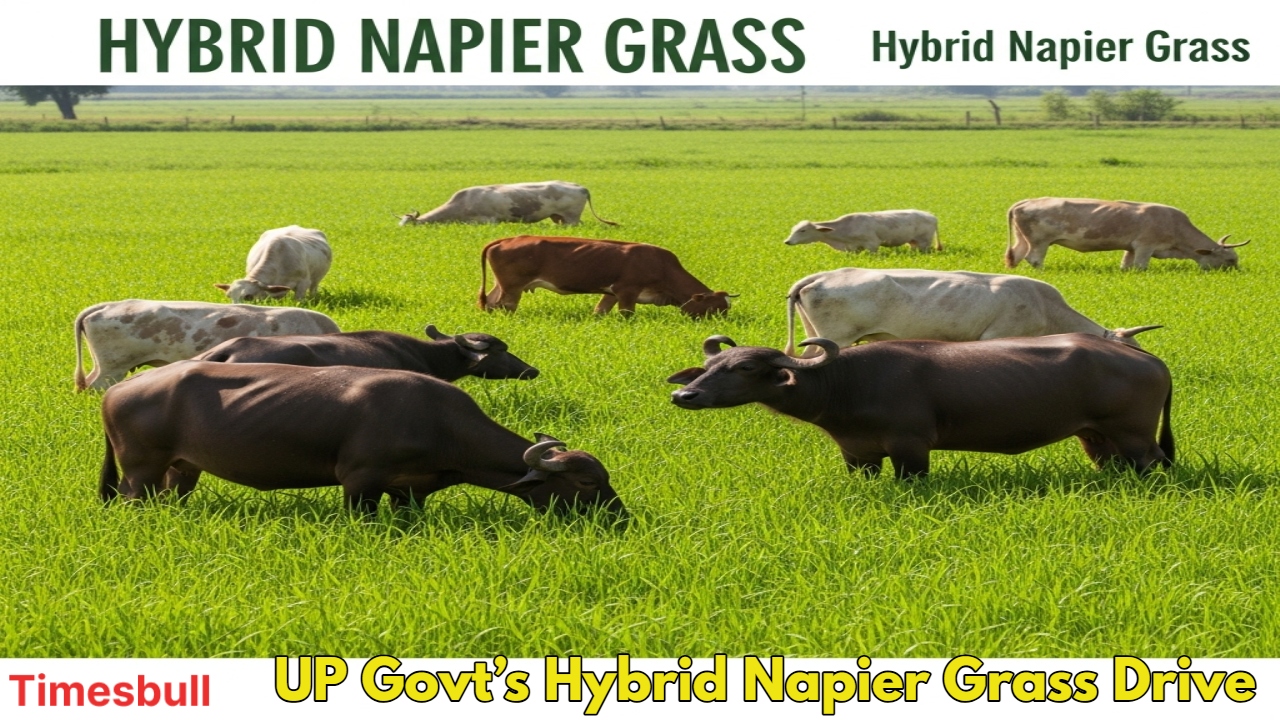
The Uttar Pradesh government is encouraging farmers as well as fodder manufacturing institutions to grow hybrid Napier grass. At present, this scheme has been started as a pilot project in Prayagraj. This is a unique ‘buy-back’ scheme, in which farmers will get a grant of ₹ 20,000 per hectare.
Under this scheme, the root of hybrid Napier grass will be made available to the farmers by the government, and after that, the government will buy back this grass from the farmers at double the price. This will become a source of assured income for the farmers and will encourage them to invest in their farming.
Initially, they will get the benefit
Veterinary Officer Dr. S.N. Yadav said that the government has started this scheme for the first time in Prayagraj. Under this, farmers growing Napier grass will be given a grant of ₹ 20,000 per hectare. In the initial phase, 10 people in the district will get the benefit of this scheme. These beneficiaries can be farmers, Farmer Producer Organizations (FPO), Self Help Groups (SHG), or people running cowsheds. This number may be less, but it will lay the foundation for the successful implementation of the scheme and its expansion in the future.
Read More:- LIC New Update: Check Your Policy Status, Bonus & Premium Date Online in Minutes
Read More:- Instant Loan Without Bank Visit: Apply with Aadhaar & PAN, Get Fast Approval in Emergencies
Milk production and income will increase from the pear grass
Farmers can feed Napier grass to their animals as green fodder. This grass is considered very beneficial for milk-giving animals. It is a green fodder rich in protein, which increases both the quantity and quality of milk of animals. Dairy owners usually buy dry straw at the rate of ₹ 12 per kilogram, while the cost of growing this green fodder comes to only 50 paise per kilogram.
Farmers can earn thousands of rupees every month from this scheme. They can sell this grass to dairy farm owners, which will give them an additional way to increase their income, and livestock farmers will get cheap and nutritious fodder.
Why is ‘green gold’ so special
Napier grass looks like sugarcane. The special thing about this grass, originally from Thailand, is that it can be grown even on barren land and the ridges of fields. Its specialty is that it gets ready in just 20-25 days with the help of water. About 300-400 quintals of grass are produced in one acre.
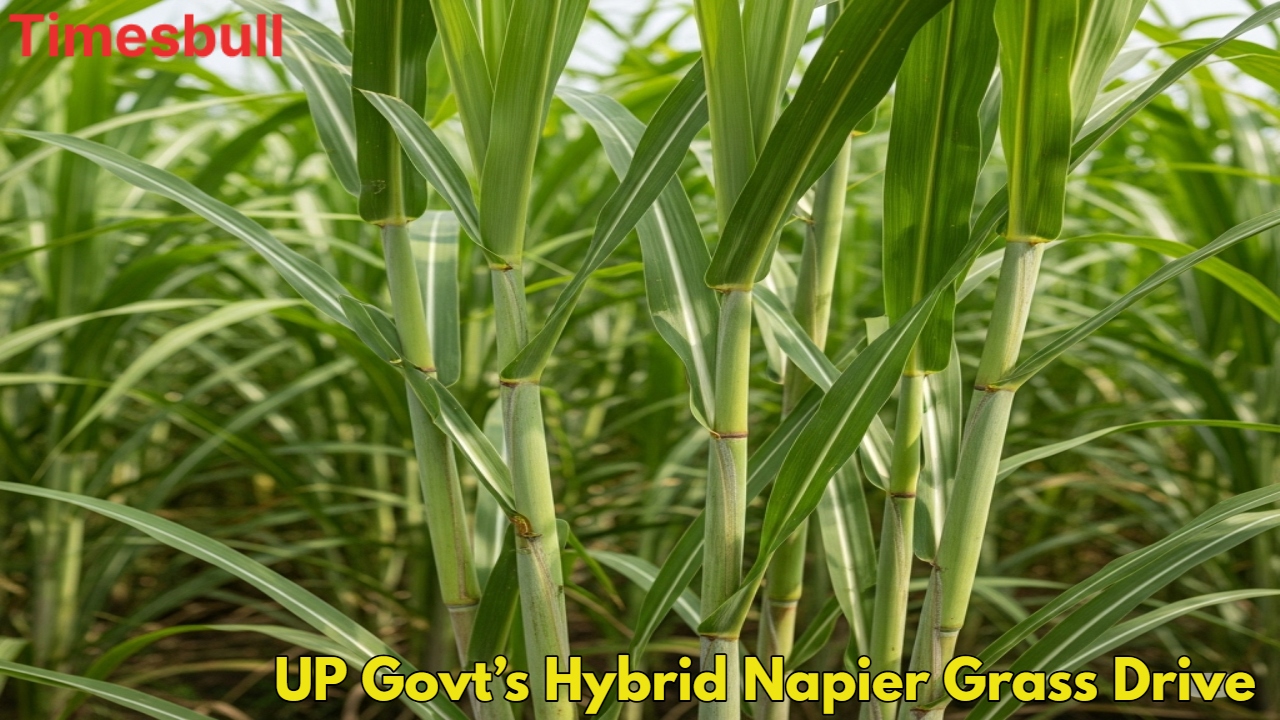
Once harvested, its branches start growing again on their own. In this way, once planted, it can be grown for ten years. This is the main reason why it is called a ‘low-cost, high-income’ crop. It is very beneficial financially for both farmers and livestock farmers.
Many big benefits of Napier grass
Napier grass is also called ‘Green Gold’ due to its properties. It is a very nutritious fodder for milk-giving animals, which increases the amount of milk and also keeps the health of the animals good.
Napier grass has many benefits, not only for animals but also for the environment. It is believed that Napier grass makes the soil fertile. It can also be grown with less water, which helps in water conservation. It also helps in cleaning the air.
Latest News
- Apple MacBook Neo Deal Alert: Get It For Under ₹58,000 on Amazon Right Now

- Pakistan Attack: आत्मघाती हमले से दहला पाकिस्तान, 23 लोगों की मौत, 50 से ज्यादा घायल, जानें

- Honor Magic 9 Series Leaks: Flagship Upgrades with Massive 8,000mAh Battery and 200MP Cameras

- Motorola Edge 60 Fusion Review: Mid-Range King or Outdated?

- FD Update– Breaking Your FD Early? Know the consequences

- Bank Holiday–RBI Announces Closure of SBI, HDFC and All Banks Next Week, Save the Dates

- Samsung Galaxy S26 Ultra Amazon Deal – Get ₹23,509+ Discount with Bank Offers and Exchange Benefits

- Best Scooters For College Girls 2026 – Perfect Mix Of Mileage, Style And Lightweight Design
- Kodak Matrix QLED Google TV 2026 Series Launched in India Just Under 10,999

- Senior Citizen FD Rates: सीनियर सिटीजन को यहां से मिल रहा बंपर ब्याज, जल्द करें निवेश