

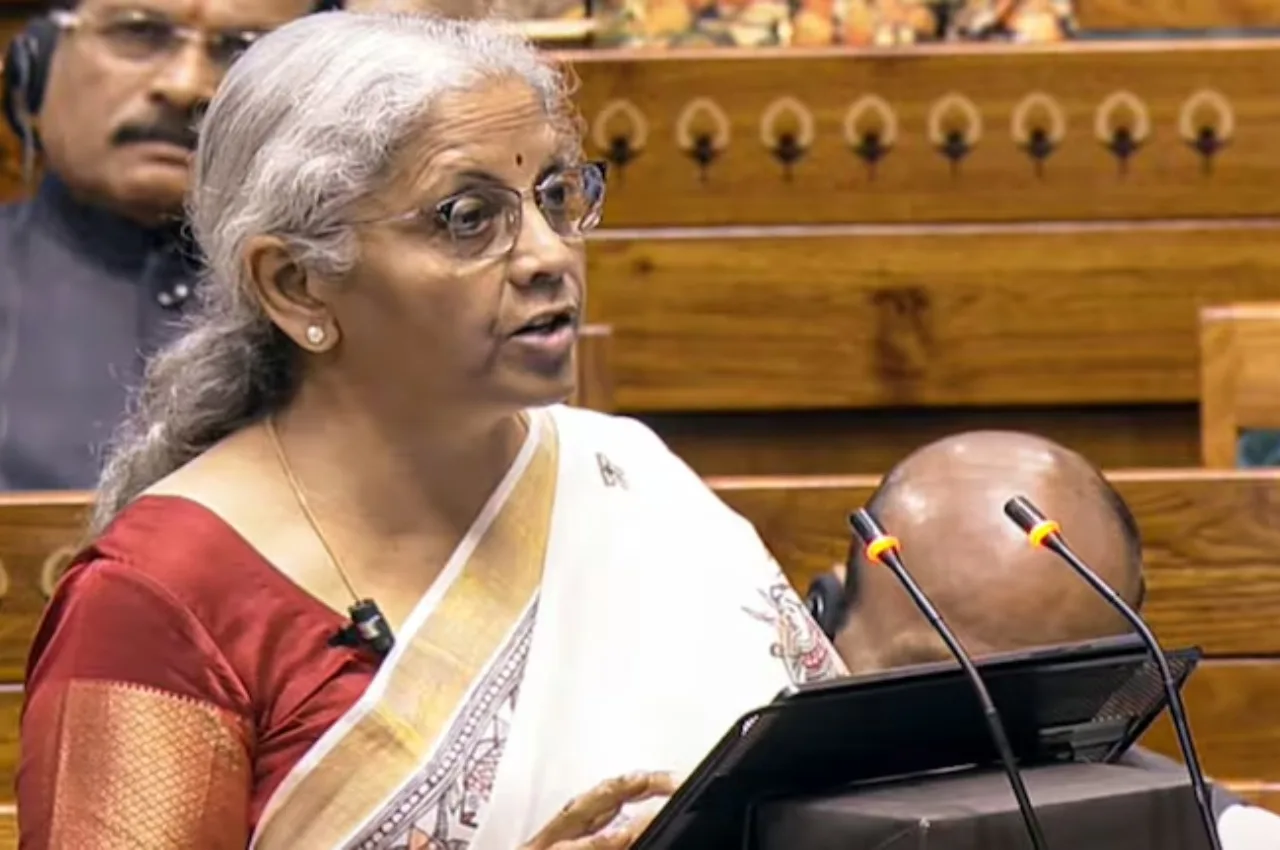
Budget 2026: With just a few hours left until the budget presentation, expectations are running high. People from all sectors are hoping for relief from the Union Budget 2026. It remains to be seen how comprehensive this year’s budget will be. On February 1st, Union Finance Minister Nirmala Sitharaman will present her ninth budget, which is expected to be quite significant.
The GST 2.0 reforms implemented last September significantly benefited the Indian automobile industry. The reduction in GST rates made cars and other vehicles considerably cheaper in the auto sector. This benefited both businesses and ordinary buyers. The new tax policy acted as a booster dose for the auto sector. Now, the auto sector wants the government to introduce a policy that remains stable for the long term.
High Expectations from the Auto Industry
Did you know that the auto industry has high expectations for Budget 2026? The industry wants the government to introduce a policy that remains stable for a long time. While internal combustion engine vehicles benefited greatly from the GST reforms, electric vehicles are still far from receiving similar advantages.
The auto industry believes that the right decisions will not only benefit companies but also make vehicles available to ordinary citizens at lower prices. Stability in policy is also a key demand of the auto industry, which is seeking clean and stable policies.
Auto companies want the government to avoid frequent changes in regulations and proceed with the infrastructure already announced. According to the companies, it takes several years to manufacture a vehicle, so if policies change frequently, planning becomes extremely difficult. Stable policies will attract foreign investment, and companies will be able to better plan for new technologies, local manufacturing, and expansion in India.
Hopes Alive Regarding GST
The entire auto sector is happy with the concessions received on ICE vehicles. However, the sector is seeking tax relief on hybrid and electric vehicles, which could also help reduce the prices of petrol and diesel. Meanwhile, several companies in the two-wheeler segment say that the tax system should be uniform for bikes with smaller engines.
This will make it much easier to provide affordable bikes to ordinary customers and will also boost sales. Performance two-wheeler manufacturers like Royal Enfield, Triumph, etc., are concerned that heavy taxes have driven up the prices of two-wheelers with engine capacities larger than 350 cc.