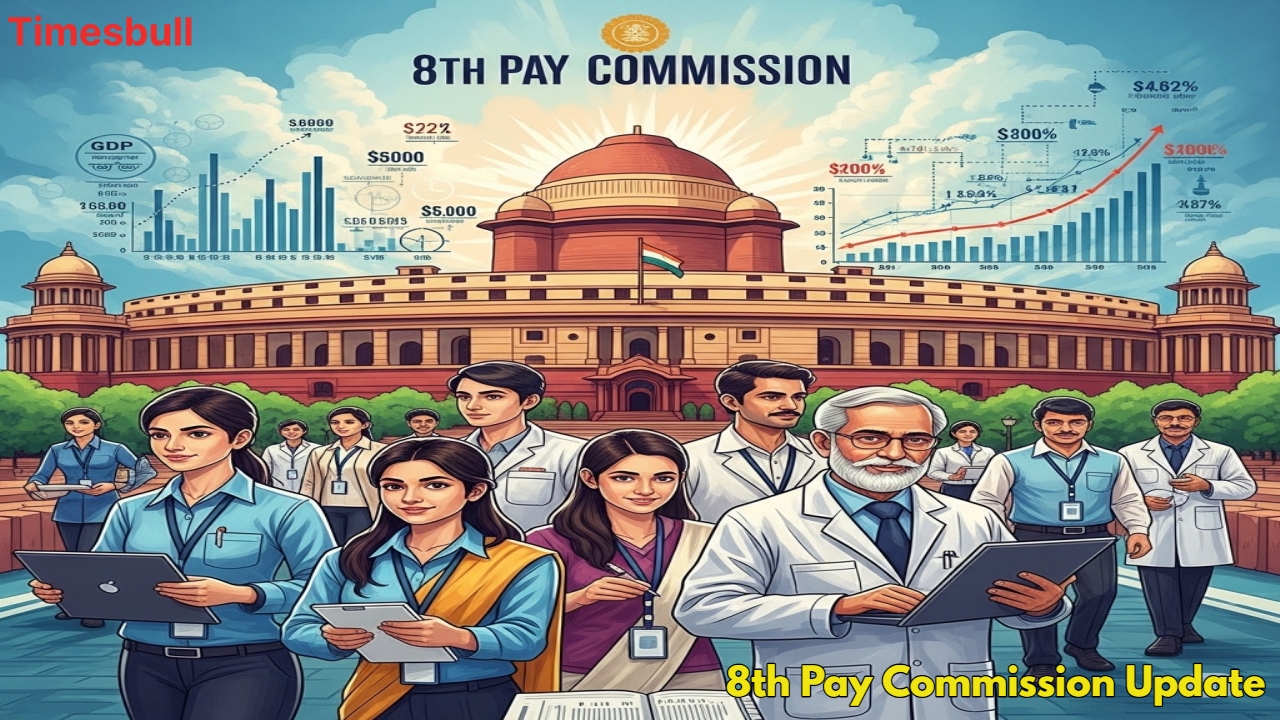
Since the approval of the 8th Pay Commission by the Central Government, it has been continuously estimated how much the increase will be in the salary and pension of the employees and which Fitment Factor will be applicable. Now, a recent report by Kotak Institutional Equities has answered all these questions. According to the report, this time the salary increase is going to be around 13%, which is less than the 7th Pay Commission. At the time of the 7th Pay Commission, there was an increase of about 14.3%.
How much will your salary increase
According to the report, if the fitment factor of 1.8 is finalized, then the basic salary will increase directly by 80%, that is, the existing basic salary will be multiplied by 1.8. Currently, the minimum basic salary of central employees is ₹ 18,000, which can increase to around ₹ 32,000.
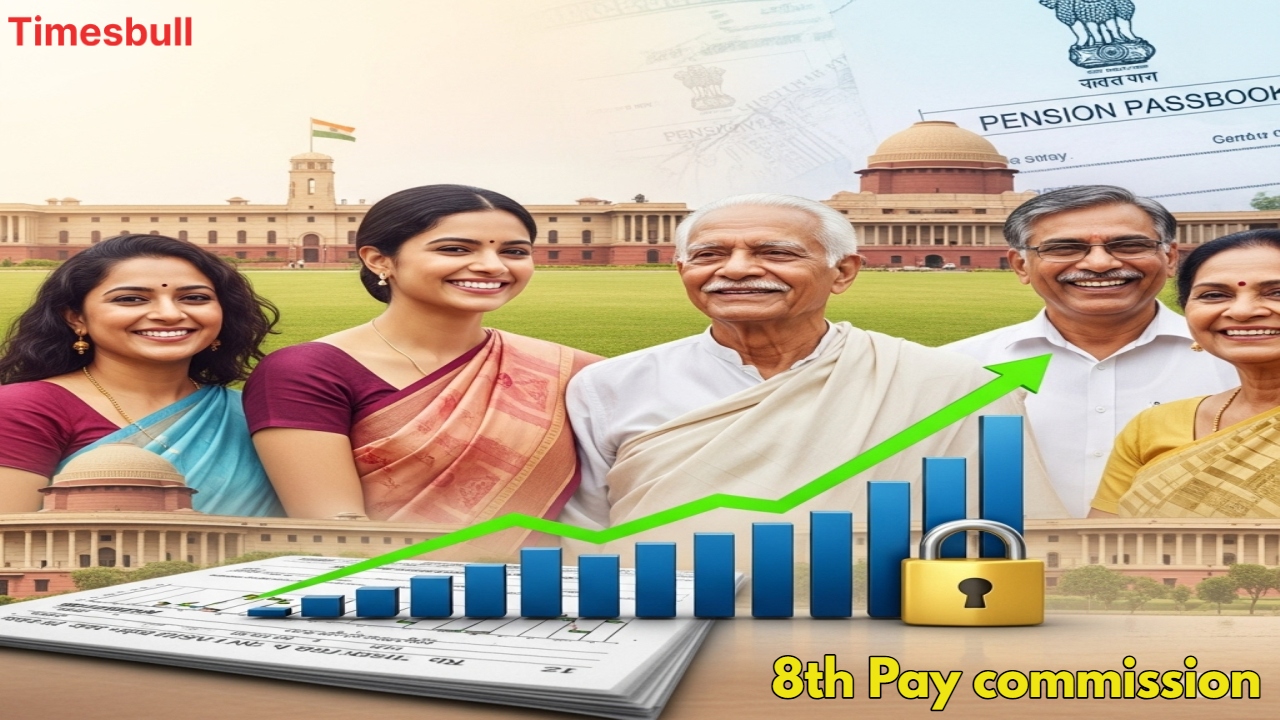
But if you are thinking that your salary will be increased by 80% directly, then this is not the whole truth. Actually, Dearness Allowance (DA), which is currently 55% of the basic salary, will be zeroed after the implementation of this pay commission, and later it will be increased again.
Let us understand this with an example
Suppose if your basic salary is ₹50,000, then it will increase to around ₹90,000.
But, currently with your basic salary of ₹50,000, you also get dearness allowance of around ₹27,500 (55% DA), which makes the total salary around ₹77,500. Due to the removal of DA, the total increase will be less. Also, DA increases every six months, and it may cross 60% by the time the 8th Pay Commission is implemented.
Staff side members of the National Council-Joint Consultative Machinery have already indicated that they want the fitment factor to be at least as high as the 7th Pay Commission. However, it is believed that the government will stick to the fitment factor of 1.8.
‘Financial burden’ on the government and ‘bumper’ benefit to grade C employees
Implementing the recommendations of the Pay Commission puts a huge financial burden on the government, but it also has a positive impact on the economy.
1. ‘Financial burden’ will increase on the government
The 7th Pay Commission had put a burden of ₹1.02 lakh crore on the government in 2017-18. At the same time, according to the Kotak report, after the implementation of the 8th Pay Commission, the government’s pocket will have an additional burden of ₹2.4 to ₹3.4 lakh crore. This is a significant financial commitment that the government will have to bear.
2. Grade C employees will get the ‘most benefit’
The biggest benefit of the 8th Pay Commission will be for Grade C employees. This is because this category is about 90% of the total government employees in the country. An increase in their salary will directly improve their lifestyle. The Kotak report says that this step will also have a positive impact on the country’s economy, because these employees will spend more of their increased income. Increased spending capacity will create demand in the market and boost economic activities.
Latest News
- Cheapest Available 5G Smartphones in India Under 10000

- UPSC Prelims Answer Key 2026 – How to Download UPSC Prelims Answer Key at upsc.gov.in

- 8th Pay Commission: एनपीएस और पुरानी पेंशन में कौन सी बेहतर, जानिए बड़ा अपडेट

- Xiaomi 17T Launching With Leica 5x Zoom and Huge 6,500mAh Battery Under ₹60,000

- NEET UG 2026 – Haryana & Bihar Announce Free Bus Service for Candidates on June 20-21

- PM Kisan 23rd Installment: Farmers to get Rs 2000 in June? Know Here

- Best Premium Smartwatches Under ₹10,000: Upgrade to Luxury Metallic Builds, AMOLED Screens, and In-Built GPS

- Maruti Dzire CNG Continues Dominance – Fuel Efficient Sedan Wins Indian Families

- Vivo Y600 Turbo Set to Debut: Featuring a 165Hz Display, Dimensity 8500, and a Massive 9,020mAh Battery

- HMD Vibe 2 5G Debuts in India with 6000mAh Battery & 50MP Camera: Get It For Just ₹9,499 With Launch Offers