
A poor CIBIL score not only completely ruins your chances of getting a loan, but even if you do get one, it comes at extremely high interest rates. A small mistake or failure to pay EMIs on time can cost you lakhs. Behind high interest rates lie hidden costs that severely impact your financial freedom. Here, learn the 5 biggest and most significant disadvantages of a low credit score so you can improve your financial health today.
5 Major Financial Disadvantages of a Low Credit Score
A low CIBIL score directly impacts every financial activity. This isn’t just limited to loans, but also impacts your future planning.
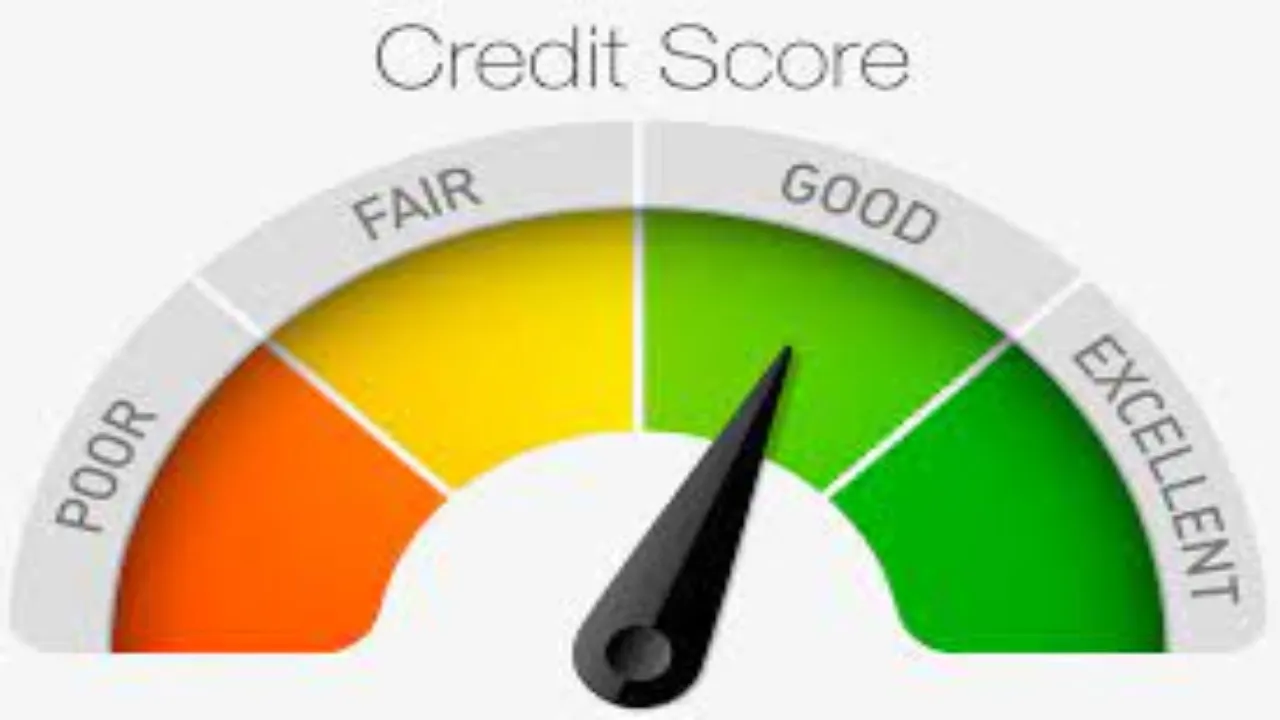
Difficulty in getting a loan and high interest rates
Banks and NBFCs offer loans to customers with low credit scores on their own terms. For example, if you take out a loan of ₹5 lakh for three years and the interest rate is increased to 11% instead of 10% due to your low score, you will incur an additional expense of ₹8,487. Even this small increase in interest can cost you dearly in the long run. Therefore, a better score not only makes it easier to get a loan but also significantly lowers the interest rate.
High Credit Card Charges
A poor CIBIL score often results in higher interest rates and additional charges on credit cards. Even minor late payments or mistakes can cost you money in the form of additional fees from the bank or NBFC. This further weakens your financial credibility.
Impact on Financial Freedom
A low credit score also has a profound impact on your long-term financial planning. This impacts your loan approval, interest rates, and future investment prospects. Not paying EMIs and bills on time weakens your financial credibility, reducing the trust of banks and investors.
Hurdles in Major Expenses and Important Planning
A poor credit score doesn’t just impact small loans. Buying a home, purchasing a car, or even taking out a large loan for children’s education can be challenging. Banks or NBFCs may offer you higher interest rates or even refuse the loan outright. This seriously impacts your important financial planning.
Postponement of Future Plans

A low credit score can also put the brakes on your major plans. Whether it’s starting a new business, taking out another large loan, or making a major investment, banks and financial institutions will not trust you if you have a low score. This completely limits your financial flexibility.
Final and Important Advice
You must consult your financial advisor or bank/NBFC before making any financial decisions (loans, credit cards, or investments). Strengthening your credit score should be your top financial priority, as it directly determines your future success.
Latest News
- Weather warning – Heavy Rain, thunderstorms, lightning Alerts for 13 States Over Next 3 Days

- UP TGT Exam City Slip 2026 Released – Download at upessc.up.gov.in, Exam June 3-4

- ATM Alert: एटीएम में फंस जाए डेबिट कार्ड तो घबराएं नहीं, फटाफट यह काम करने से होगा समाधान

- Post Office Scheme – 7.5% Interest Rate, ₹5 Lakh Becomes ₹7,24,974 in 5 Years, Start with Just ₹1,000

- Best AI Video Editing Laptops Under 60,000 INR: Top Picks Her

- Best CNG Cars: पेट्रोल के बढ़ते दाम के बीच ये सीएनजी गाड़ी खरीदकर खर्च करें कम, माइलेज भी जबरदस्त

- Samsung Stable One UI 8.5 Update to Galaxy Tab S10 FE and Tab S10 FE+

- बुढ़ापे की लाठी बनेंगी ये तीन स्कीम्स, निवेश से पहले जानिए कितना मिल रहा ब्याज

- OnePlus Nord CE 6 vs Samsung Galaxy A57: Which Mid-Range 5G Phone Wins?

- Lenovo LOQ 15 Gen 11 Review: Best Budget Gaming Laptop?