



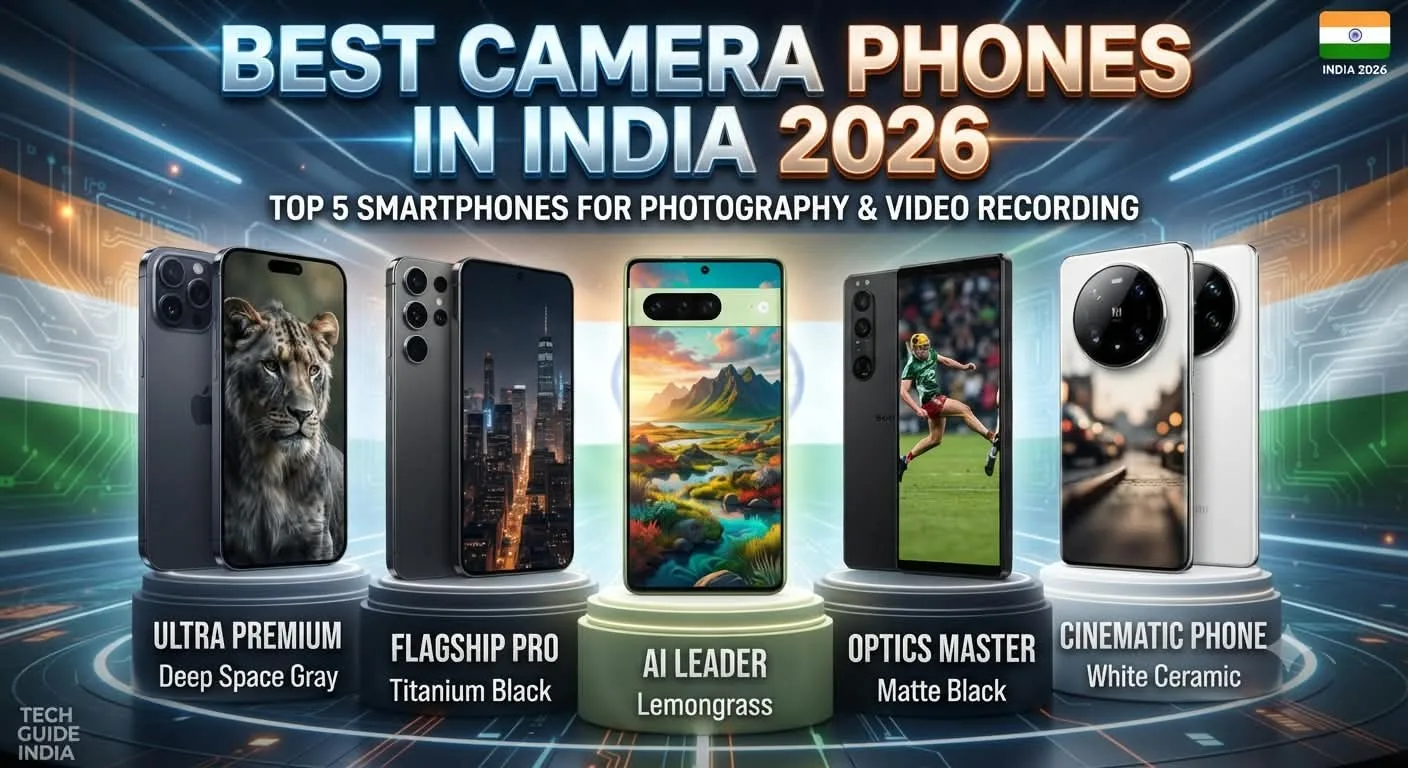
Best Camera Phones in India 2026: Smartphone cameras are strong now—like you can get that “almost pro” look without hauling a separate camera around. If you’re doing travel shots, making something a bit cinematic, filming Instagram reels, or even shooting for YouTube, the phone choice matters, and you’ll notice it fast. In 2026, the top-tier phones keep pushing mobile photography forward, with bigger sensors, cleaner optical zoom, AI tweaks, and video modes that feel more creator-ish than before.
1. Samsung Galaxy S26 Ultra
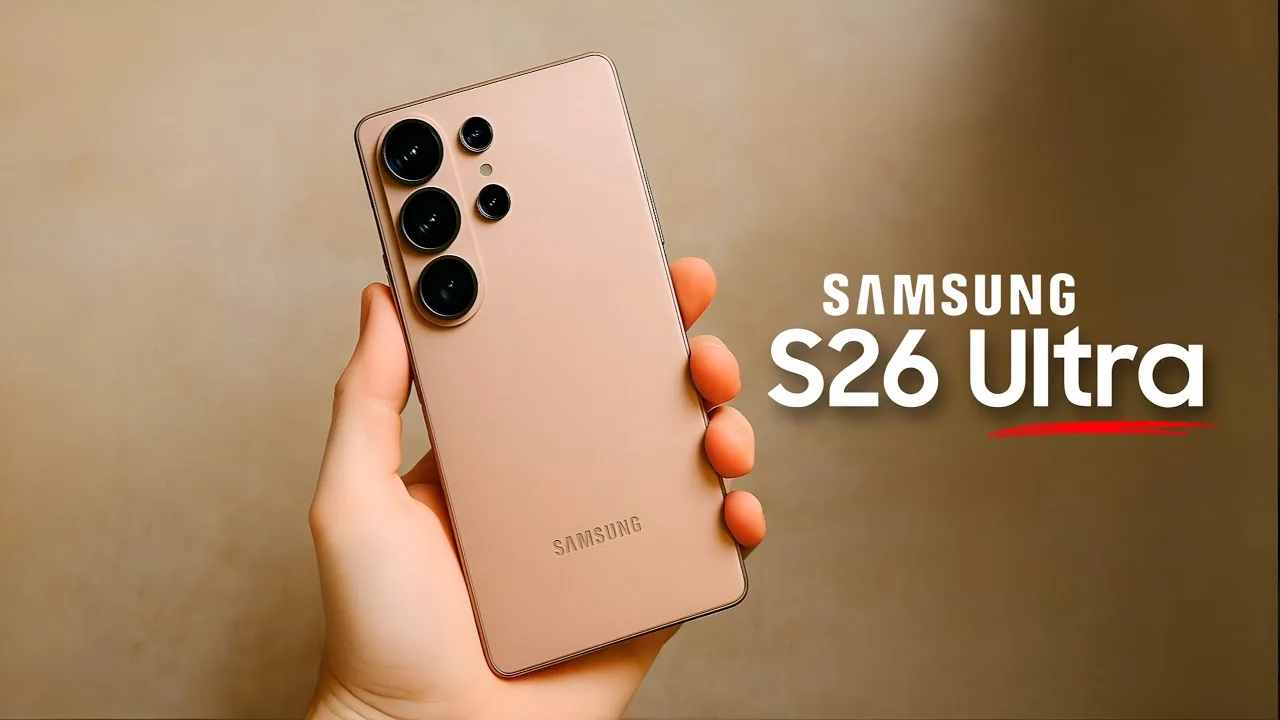
Samsung Galaxy S26 Ultra is one of the more all-round camera smartphones you can pick up in 2026. it comes with that quad rear camera layout, a 200MP main sensor, a 50MP ultra-wide camera, a 50MP telephoto camera, and a 10MP telephoto sensor. Basically it gives you more space to mess around with landscapes, portraits, and those long-distance zoom moments.
For video, Samsung includes 8K recording, plus Super Steady stabilisation that really helps, and pro- style APV recording. the 6.9-inch QHD+ Dynamic AMOLED 2X display is also good for checking clips and stills, so reviewing doesn’t turn into a full chore. if you want one device that handles loads of shooting situations and not huge trade-offs every time, the S26 Ultra is a safe buy.
2. Apple iPhone 18 Pro Max
If you’re a content creator or you film on mobile a lot, the Apple iPhone 18 Pro Max deserves a serious look. it has a 48MP triple camera setup, including primary ultra-wide and telephoto lenses. the image processing is tuned to keep colours looking natural, plus sharper photos and steadier exposure too.
And yup video is where this iPhone flexes. you get 4K Dolby Vision recording up to 120fps, ProRes RAW, Apple Log 2, and better stabilisation. plus, the 18MP front autofocus camera can record 4K video, so vloggers and selfie creators get a pretty solid setup. under the hood, the A20 Pro chipset deals with the processing you need for heavier edits, no drama.
3. Vivo X300 Ultra
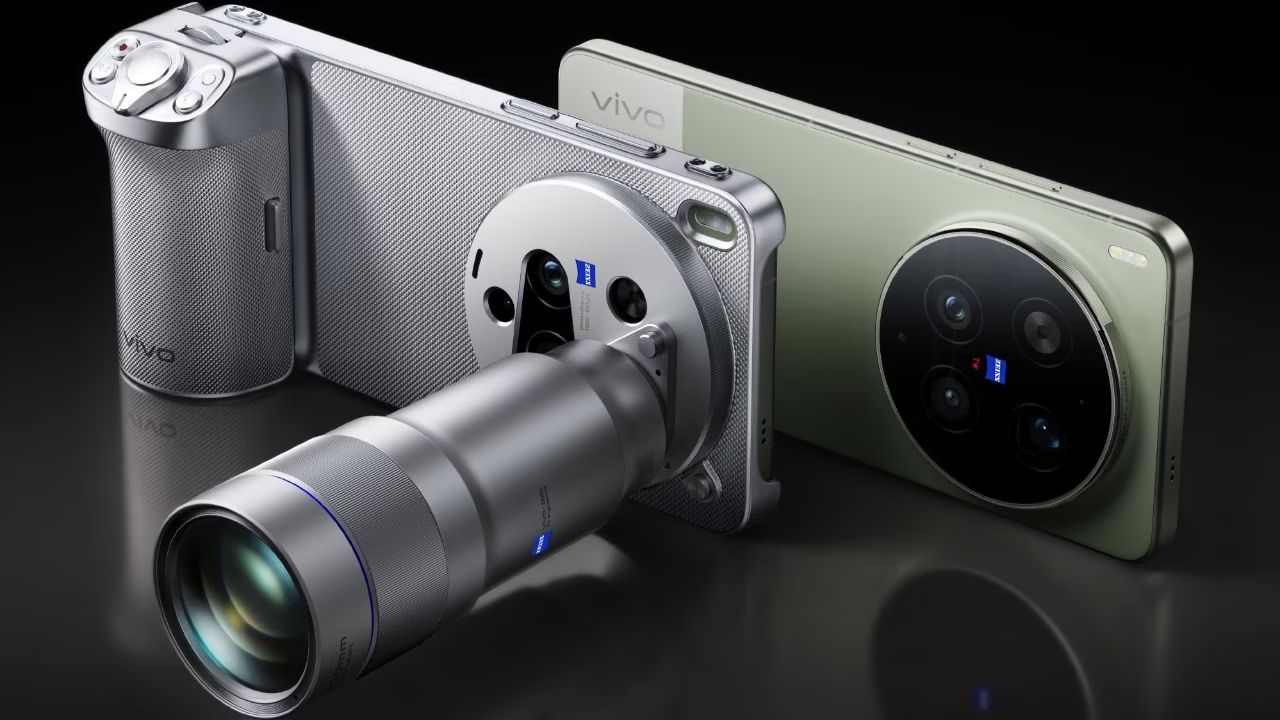
Vivo X300 Ultra feels built for people who actually care about smartphone photography. With ZEISS camera collaboration, you get a more serious camera stack: a 200MP primary sensor, a 200MP telephoto camera, and an ultra-wide module with a large sensor.
Portraits plus zoom is kinda its comfort zone. the telephoto system pulls crisp details while keeping skin tones and colours more balanced. the phone also brings updated video features, so if you’re a creator who wants more control over what you capture, this one is worth watching. if photography is your main priority, the X300 Ultra should be on the shortlist.
4. OPPO Find X9 Ultra
OPPO Find X9 Ultra is another flagship that leans deep into photography, and video recording too. it includes a 200MP primary camera, a 200MP telephoto camera, a 50MP ultra-wide camera, and an additional 50MP ultra-telephoto camera. There’s also Hasselblad imaging tech, so the overall imaging vibe feels a bit more polished than usual.
For videographers, it supports 8K recording at 30fps, plus 4K recording at up to 120fps, with Dolby Vision video. you also get a 50MP autofocus selfie camera. with all that camera hardware, and a bunch of pro-ish video modes, the Find X9 Ultra looks especially tempting for content makers.
5. Xiaomi 17 Ultra
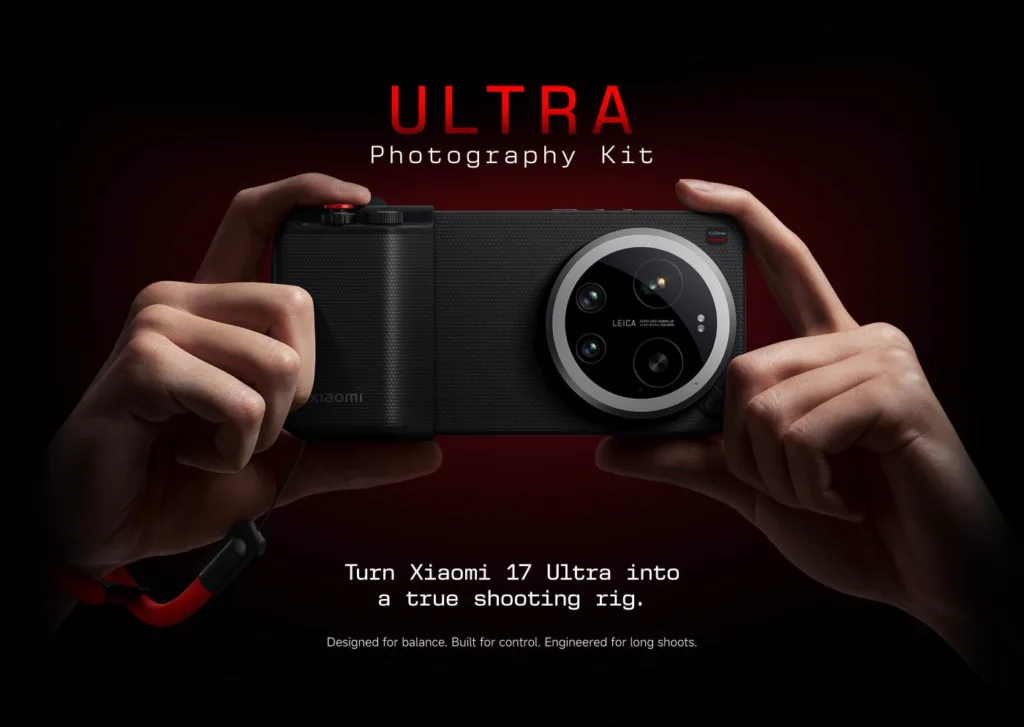
Xiaomi 17 Ultra is a decent pick if you want detailed photos, and especially when the lighting gets messy. its Leica tuned camera system focuses on image quality, natural colour output, and improved low-light performance. You also get a big 1-inch-class primary sensor, plus a telephoto camera that’s actually useful for more detailed zoom shots.
it runs on the Snapdragon 8 Elite Gen 5 processor, so performance stays top tier for editing, gaming, and multitasking. the camera system feels pretty versatile which helps for travel photography, portraits, and day to day video creation as well.
Conclusion
Choosing the best camera phone is honestly more about what you shoot most, not just random megapixel numbers. Samsung Galaxy S26 Ultra is the “handles many things well” option, while the iPhone 18 Pro Max feels strongest for professional style video recording. Vivo X300 Ultra stands out for portraits and telephoto work, OPPO Find X9 Ultra gives you many camera choices, and Xiaomi 17 Ultra is a solid option for low-light photography.
Before you buy, don’t decide only by megapixels. Instead, look at camera consistency, video stabilisation, low-light results, and also the storage space you’ll actually use. A well balanced camera system usually gives a better long-term experience, even if you change your content style later on.