
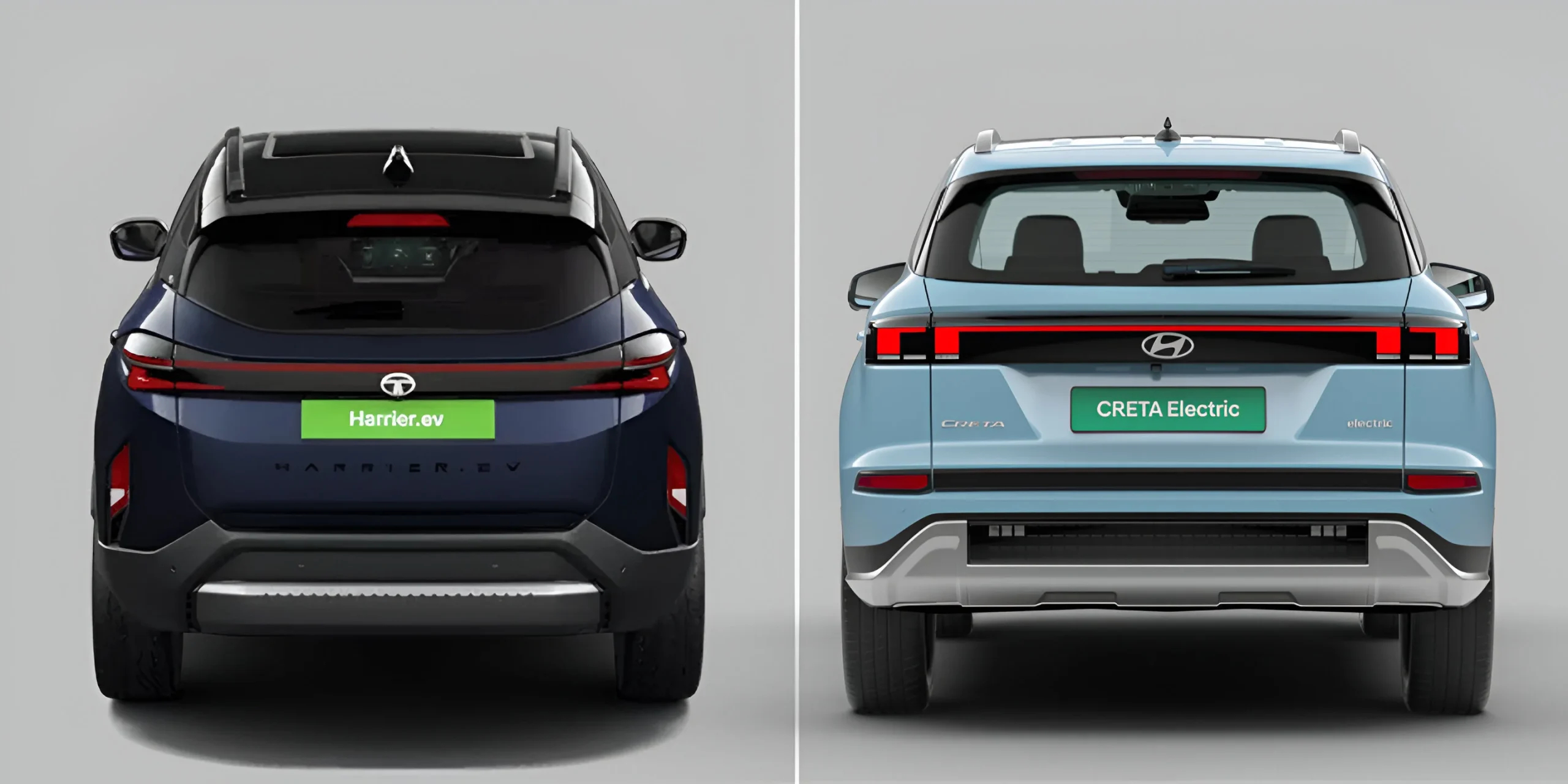
Tata Harrier EV vs Mahindra XUV.e8 vs Hyundai Creta EV : The market for electric vehicles in India is growing rapidly day by day and now companies are preparing to launch their electric models in the large SUV segment as well. Tata, Mahindra and Hyundai – all three brands have made a place in the hearts of Indian customers. Now these companies are going to bring their electric SUVs – Tata Harrier EV, Mahindra XUV.e8 and Hyundai Creta EV. These three vehicles are bringing powerful features, great range and new design in their respective segments. Let’s know in detail who is ahead in this competition.
Talking about design and looks
The look of Tata Harrier EV is very similar to the current ICE model, but some changes have been made in it which makes it look more futuristic. Closed grille, new LED strip and sporty alloy wheels make it more stylish.

Talking about Mahindra XUV.e8, its design is based on XUV700 but it has been molded in a completely electric style. It has a flat nose, panoramic light bar and a brand new futuristic front. Its road presence looks much more powerful.
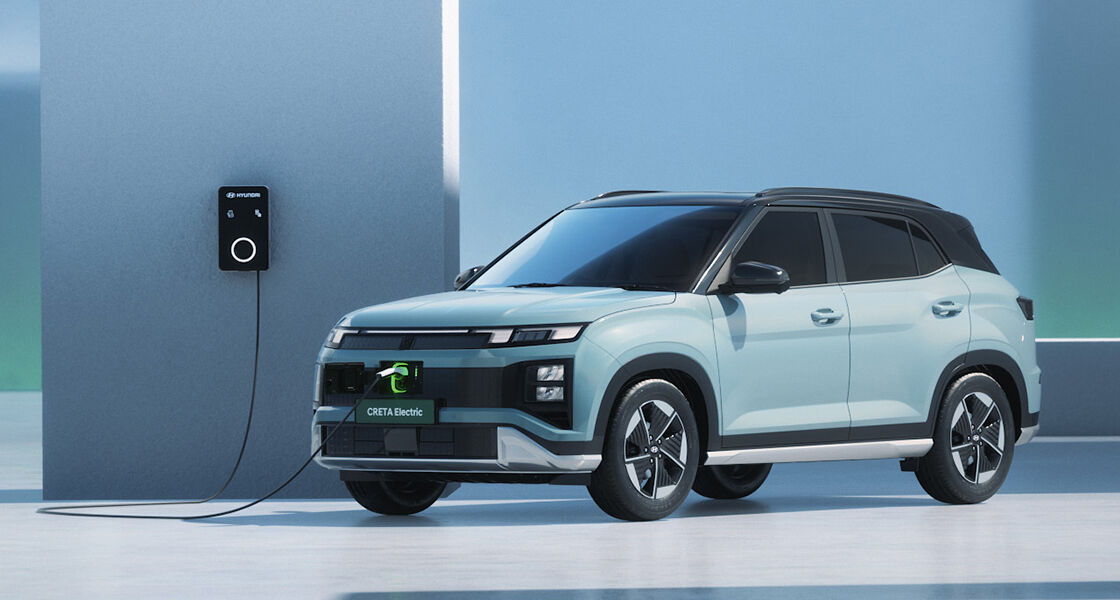
Hyundai Creta EV has also been given a slightly modern touch compared to the current Creta. Changes like new front bumper, EV badging and closed grille give it an electric look. Although it looks a bit simple in terms of looks, the premium touch remains as per Hyundai’s identity.
Battery and range comparison
Tata’s new generation electric powertrain will be used in Tata Harrier EV. It can come in AWD (all-wheel drive) option with dual motor setup. Its battery capacity is believed to be above 60kWh and the range can be up to 500 km.
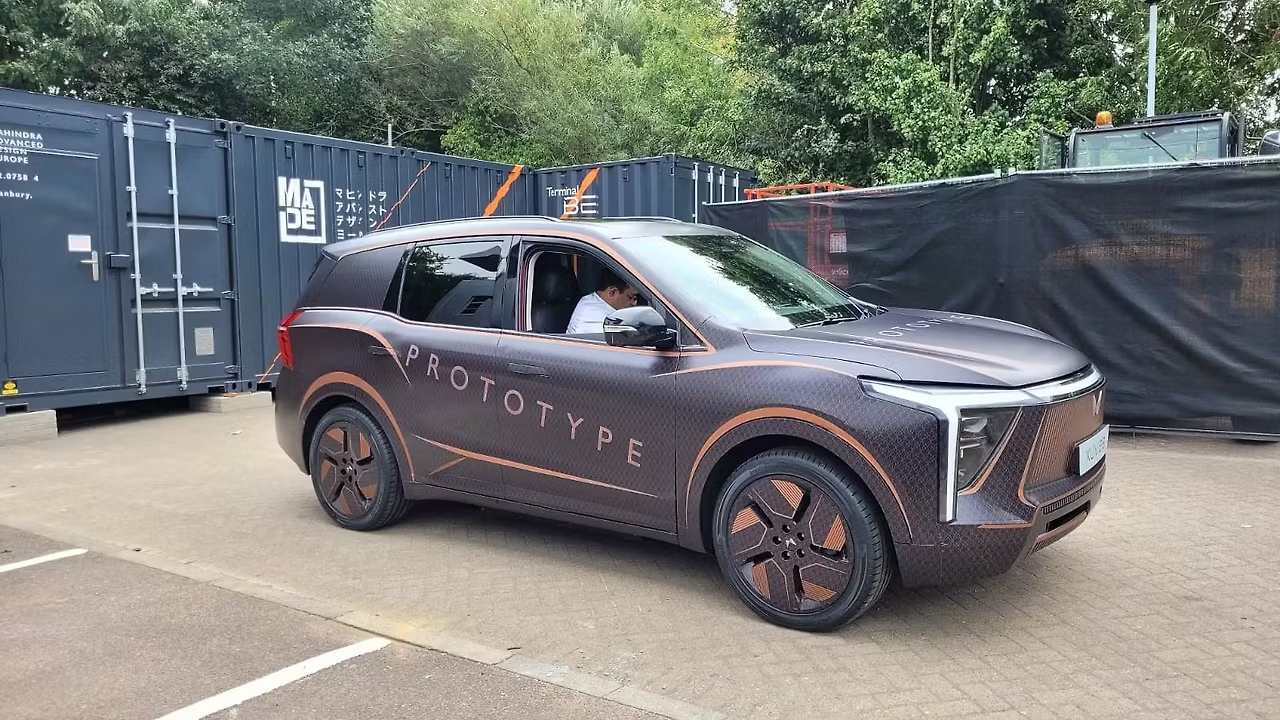
Mahindra XUV.e8 will be given INGLO platform and it can get a large battery of 80kWh. According to the company, its range can be around 450-500 km. Charging technology will also be quite advanced and will support 175kW fast charging.
A smaller battery will be used in the Hyundai Creta EV. It is expected to have a battery around 45kWh and the range can be around 350-400 km. This vehicle will be for those who want a practical and affordable EV SUV for daily use in the city.
Competition of features and technology
The Tata Harrier EV will get features like Advanced Driving Assistance System (ADAS), large touchscreen, 360 degree camera, digital instrument cluster, connected car tech and panoramic sunroof. Its interior quality has also been upgraded a lot.
The Mahindra XUV.e8 will get a high-tech triple screen layout, which will be spread across the entire dashboard. Features like ADAS, ventilated seats, wireless charging and smart AI based connectivity will also be given in this. Its interior design is considered to be the most futuristic.
The Hyundai Creta EV is expected to get features similar to the current ICE Creta including a 10.25-inch screen, digital cluster, wireless Apple CarPlay-Android Auto, connected car tech, and some advanced safety features. However, it is less likely to have a high-tech setup like the XUV.e8.
Difference in price and launch timeline
The Tata Harrier EV is expected to be launched in the first half of 2025. Its price can start from around ₹ 28 lakh.
The launch date of Mahindra XUV.e8 is said to be December 2024 and its starting price can go above ₹ 30 lakh, as it will come with more features and a bigger battery.
The Hyundai Creta EV can be launched in early 2025 and its price can be around ₹ 22 lakh. This vehicle is being designed keeping in mind those customers who want an affordable and practical electric SUV.
Who is ahead overall?
If you want more technology, strong performance and futuristic design, then Mahindra XUV.e8 can prove to be the most premium and innovative option. At the same time, Tata Harrier EV is also being made keeping in mind balanced performance and Indian needs, which can become a reliable option. On the other hand, Hyundai Creta EV will come out as an affordable and compact electric SUV which can be very suitable for city users.
Which of these three SUVs you will like the most depends on your need and budget. But it is certain that the year 2025 is going to completely change the electric SUV segment in India.
Latest News
- Weather warning – Heavy Rain, thunderstorms, lightning Alerts for 13 States Over Next 3 Days

- UP TGT Exam City Slip 2026 Released – Download at upessc.up.gov.in, Exam June 3-4

- ATM Alert: एटीएम में फंस जाए डेबिट कार्ड तो घबराएं नहीं, फटाफट यह काम करने से होगा समाधान

- Post Office Scheme – 7.5% Interest Rate, ₹5 Lakh Becomes ₹7,24,974 in 5 Years, Start with Just ₹1,000

- Best AI Video Editing Laptops Under 60,000 INR: Top Picks Her

- Best CNG Cars: पेट्रोल के बढ़ते दाम के बीच ये सीएनजी गाड़ी खरीदकर खर्च करें कम, माइलेज भी जबरदस्त

- Samsung Stable One UI 8.5 Update to Galaxy Tab S10 FE and Tab S10 FE+

- बुढ़ापे की लाठी बनेंगी ये तीन स्कीम्स, निवेश से पहले जानिए कितना मिल रहा ब्याज

- OnePlus Nord CE 6 vs Samsung Galaxy A57: Which Mid-Range 5G Phone Wins?

- Lenovo LOQ 15 Gen 11 Review: Best Budget Gaming Laptop?