


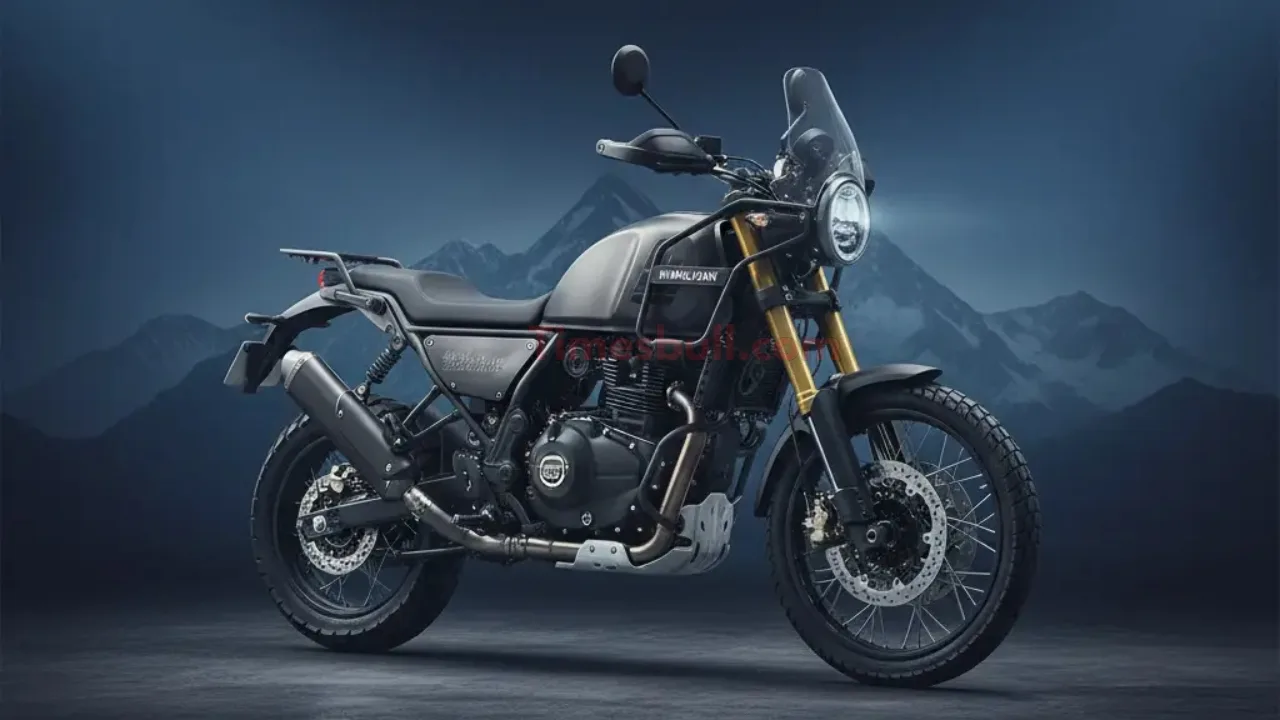
After months of speculation and spotted test mules, Royal Enfield is officially shifting gears to massively expand its iconic adventurer lineup. The manufacturer is reportedly working on a three-pronged strategy that spans from accessible 440cc air-cooled motors to a flagship 750cc parallel-twin, ensuring there is a “Himalayan” for every type of rider in India.\
With the Sherpa 450 platform already proving its mettle, Royal Enfield is now focusing on the Scram 450, a back-to-basics Himalayan 440, and the highly anticipated Himalayan 750. From liquid-cooled performance to the simplicity of the original 411, we’ve analyzed the technical specs and internal codenames to bring you the ultimate breakdown.
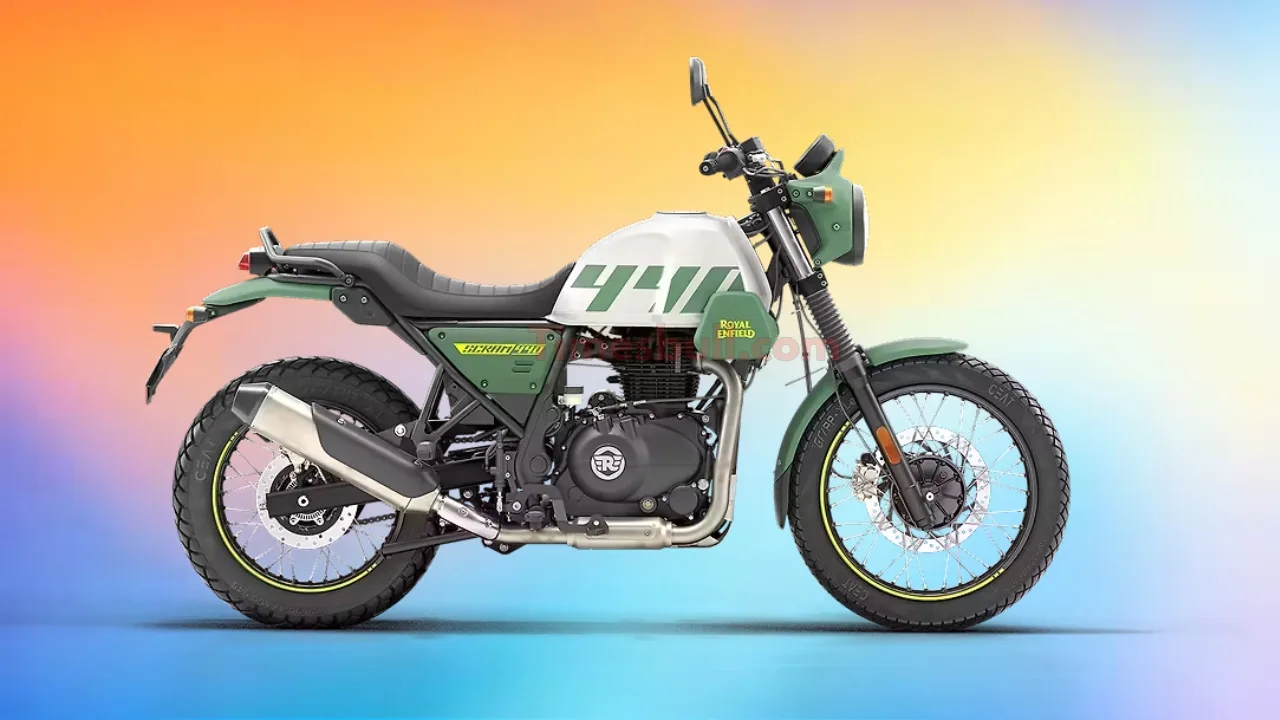
The Scram 450
Internally codenamed K2K, the Scram 450 will be the third motorcycle on the Sherpa platform. It aims to bridge the gap between the road-focused Guerrilla 450 and the hardcore Himalayan 450.
The Scram 450 is designed for those who want Sherpa power in a more flickable, urban-friendly package.
- Engine: 452cc ‘Sherpa’ Liquid-Cooled (40hp / 40Nm)
- Wheels: 19-inch Front / 17-inch Rear (Dual-purpose tyres)
- Design: Single-piece scooped seat, Guerrilla-style tank, and a tall front beak.
- Suspension: USD forks and a rear monoshock (expected to have slightly less travel than the Himalayan 450’s 200mm).
It is expected to carry over the premium tech from its siblings, including the circular TFT screen with Google Maps integration, switchable ABS, and ride modes.
The Himalayan 440
Codenamed D4G, this bike is specifically designed to appease fans of the original Himalayan 411. While the 450 is a high-revving tech powerhouse, the 440 focuses on “low-end grunt” and mechanical simplicity.
Expected to arrive in the second half of 2026, the Himalayan 440 will be the “approachable” choice.
- Engine: 443cc Air/Oil-Cooled (25.4 hp / 34 Nm)
- Transmission: 6-speed gearbox (an upgrade over the 411’s 5-speed unit).
- Chassis: A derivative of the Scram 440 platform but with longer suspension travel.
- Ergonomics: Low seat height and upright stance, mimicking the function-first design of the 411.
Enthusiasts are calling this the “true” Himalayan for relaxed touring. One tester noted: “It brings back the soul of the 411 but fixes the lack of a sixth gear for highway cruising.”
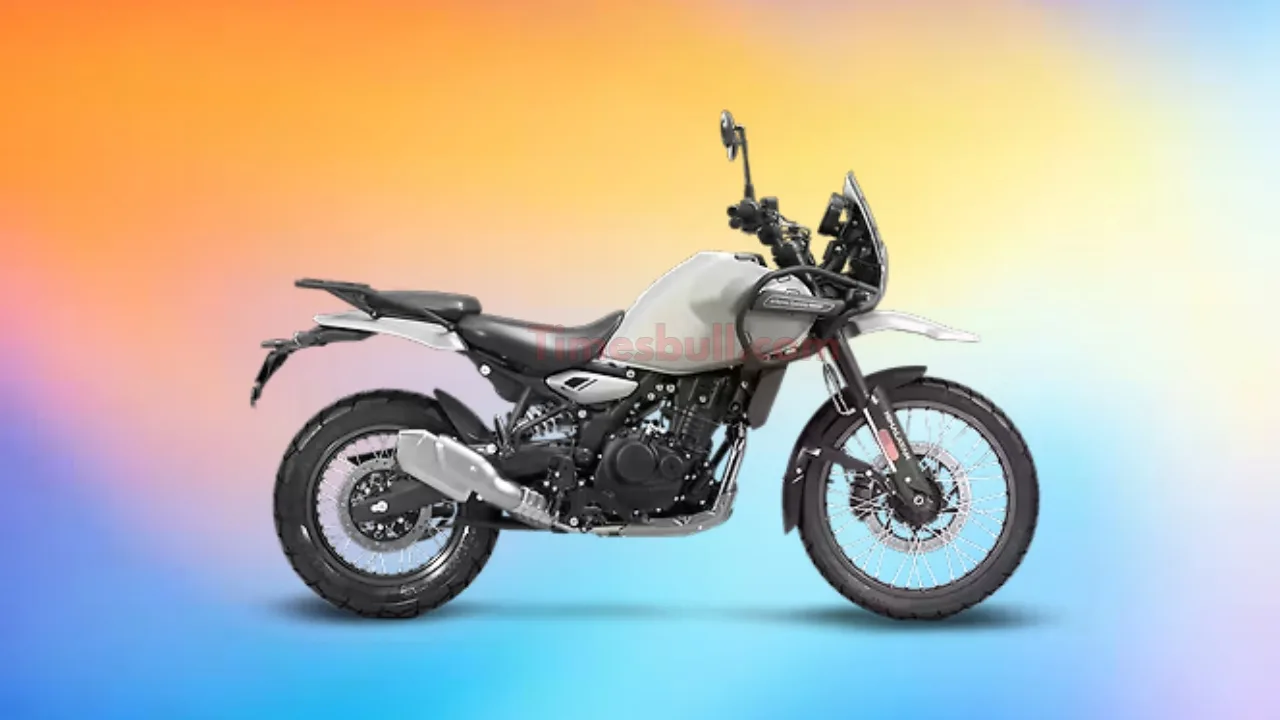
The Himalayan 750
This is the most powerful Himalayan ever conceived. It uses a heavily modified 650cc platform stretched to 750cc, making it a direct rival to global mid-weight ADVs like the Yamaha Ténéré 700.
Slated for a potential launch this year, the 750 is built for cross-continental travel.
- Engine: 750cc Parallel-Twin (Approx. 55 hp / 60 Nm)
- Build: Butch fairings, massive fuel tank, and a large windscreen for wind protection.
- Wheels: 19-inch Front / 17-inch Rear alloy or spoke setup.
- Estimated Price: ₹4.0 – ₹5.0 Lakh (ex-showroom).
Strategic Positioning
Royal Enfield’s 2026-2027 lineup is tiered to prevent internal competition while covering all price points.
|
Scram 440
|
411 Derivative | Air/Oil | Entry-level urban scrambler |
|
Himalayan 440
|
D4G (New) | Air/Oil | Simple, rugged trail riding |
|
Guerrilla 450
|
Sherpa | Liquid | Performance street riding |
|
Scram 450
|
Sherpa | Liquid | High-speed urban crossover |
|
Himalayan 450
|
Sherpa | Liquid | Hardcore off-roading/Touring |
|
Himalayan 750
|
650-Twin Mod | Air/Oil | Long-distance heavy touring |
Pros & Cons
|
Diverse Choices (Simple air-cooled to high-tech liquid-cooled)
|
Weight Concerns (The 750 twin will likely be quite heavy)
|
|
Return to 411 Roots (Himalayan 440 fixes ergonomic complaints)
|
Wait Times (Himalayan 440 is still over a year away)
|
|
Sherpa Refinement (40hp is the sweet spot for Indian roads)
|
Pricing Creep (Premium models nearing the ₹5 lakh mark)
|
|
6-Speed Gearboxes across all new 440+ models
|
LCD vs TFT (Cheaper models may miss out on navigation)
|
Which Himalayan Should You Wait For?
Wait for the Scram 450 if:
- You love the 450’s power but find the Himalayan too tall or bulky for city traffic.
Wait for the Himalayan 440 if:
- You miss the “tractability” and ease of the original 411 and don’t care about having the fastest bike on the block.
Wait for the Himalayan 750 if:
- You do frequent 500km+ days and want the smoothness of a twin-cylinder engine for effortless triple-digit cruising.
Technical Specifications (Quick Reference)
|
Engine Type
|
Liquid-Cooled Single | Air/Oil-Cooled Single | Air/Oil-Cooled Twin |
|
Peak Power
|
~40 hp | 25.4 hp | ~55 hp |
|
Peak Torque
|
~40 Nm | 34 Nm | ~60 Nm |
|
Transmission
|
6-speed, Slip/Assist | 6-speed | 6-speed |
|
Front Wheel
|
19-inch | 21 or 19-inch | 19-inch |
|
Tech
|
Circular TFT | LED + LCD | TFT + Connectivity |