



After years of anticipation, Renault is ready to double down on the Indian market with its most ambitious project yet—the Renault Bridger. Slated to be a cornerstone of the French carmaker’s turnaround strategy alongside the new Duster, this compact SUV aims to disrupt the segment by offering one of the most versatile powertrain lineups ever seen in India.
Contents
Expected to launch by late 2027, the Bridger will forgo diesel in favor of a multi-fuel strategy including a new 1.2-litre turbo-petrol, a factory-fitted CNG kit, and even full-electric and hybrid variants. With a focus on tax efficiency and competitive pricing, we’ve analyzed the exclusive details of the Bridger’s ICE lineup to see if it can take on titans like the Tata Nexon.
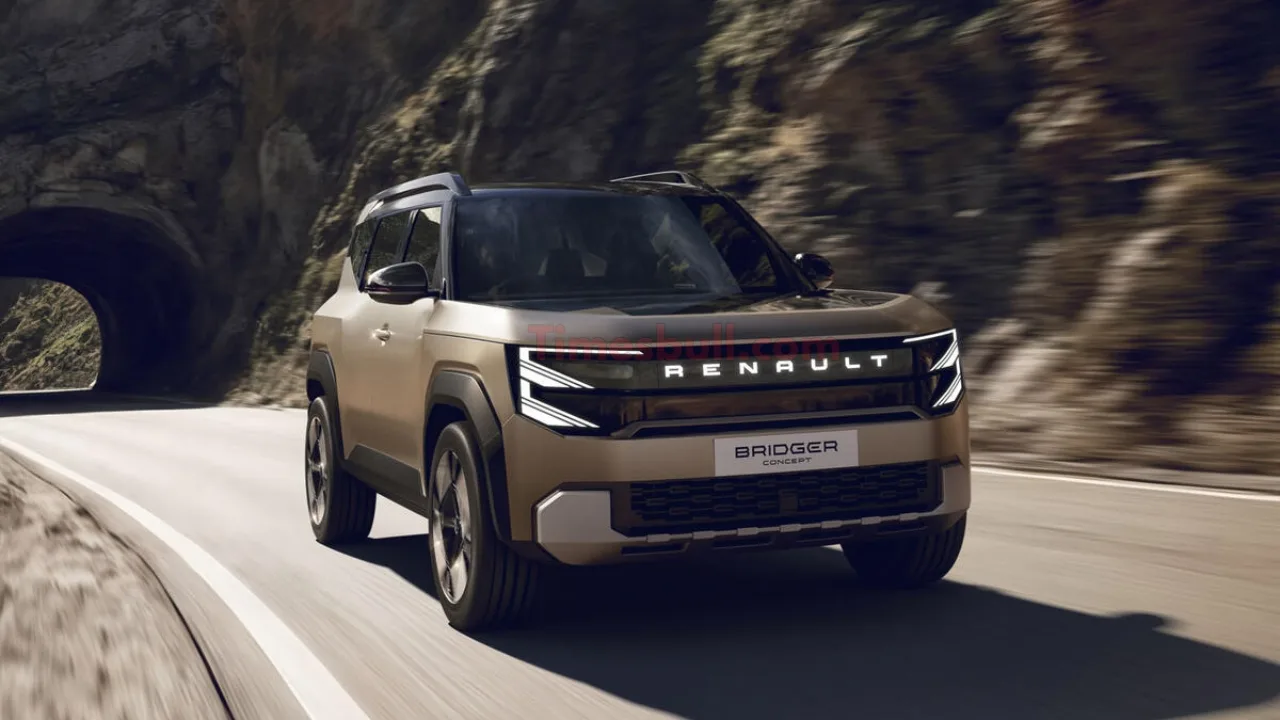
Design & Platform
The Bridger is built on Renault’s RGMP platform, which was engineered from day one to support CNG tanks without compromising structural integrity—a rare feat in a segment where CNG is often an afterthought.
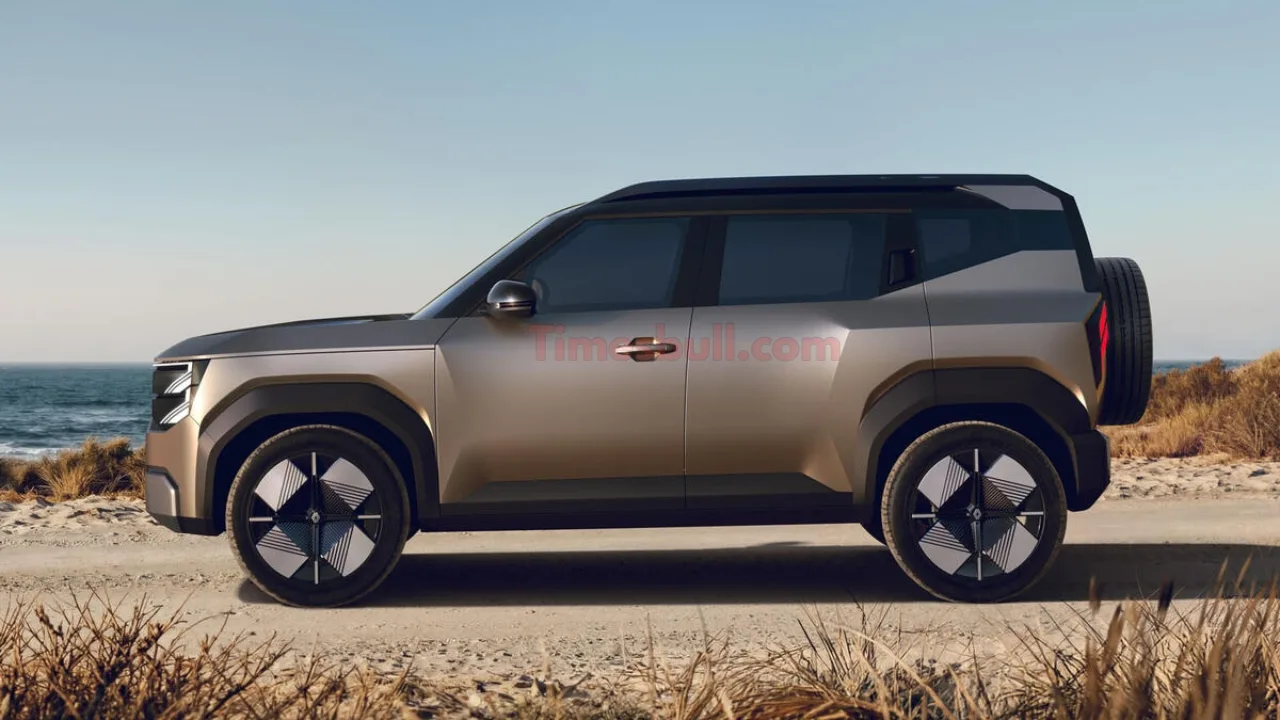
While specific visual teasers remain under wraps, the Bridger’s dimensions are strategically set:
- Length: Under 4,000 mm (to qualify for the sub-4m tax slab)
- Platform: RGMP (Renault Group Modular Platform)
- Powertrain Diversity: Petrol, Turbo, CNG, Hybrid, and EV
By keeping the engine displacement under 1,200cc and the length under 4 metres, Renault is positioning the Bridger to benefit from lower GST rates, allowing for a “luxury feel at a budget price.”
Performance: The 1.2L Turbo-Petrol & MPFi Tech
The Bridger’s new 1.2-litre engine is actually a “shrunken” version of the Duster’s 1.3-litre TGDi unit. Engineers reduced the stroke to bring it under the 1,200cc limit while retaining the smoothness of a four-cylinder configuration.
Unlike the Duster, which uses expensive direct injection, the Bridger will utilize a Multi-Point Fuel Injection (MPFi) system.
- Power Output: Approx. 120hp
- Configuration: 1.2L, 4-cylinder Turbo-petrol
- The “CNG” Advantage: The simpler MPFi system is much easier (and cheaper) to convert for CNG use, making a factory-fitted CNG variant a core part of the launch.
In the compact SUV space, 120hp puts the Bridger right in the mix with the turbo variants of the Nexon and Venue, but with the added refinement of a 4-cylinder engine over the more common 3-cylinder setups.
Strategy
Renault is officially retiring the diesel dream. Instead, they are banking on Strong Hybrids to woo traditional diesel buyers. In FY2026, CNG surged to 22% of all car sales in India, proving that fuel economy is still the ultimate “feature” for Indian buyers.
The Fuel Hierarchy
- Naturally Aspirated (NA): The entry-level price leader.
- Turbo-Petrol: For the enthusiasts.
- CNG: The high-volume, low-running-cost choice.
- Hybrid/EV: The premium, future-proofed flagships.
The Trade-Off: While the Tata Nexon offers a diesel engine for torque-heavy highway cruising, Renault is betting that the instant torque of an Electric motor (in the hybrid and EV versions) will be enough to change buyers’ minds.
Pricing & Competitive Analysis (India)
- Estimated Launch: Late 2027
- Target Rivals: Tata Nexon, Maruti Brezza, Hyundai Venue, Kia Sonet
- Pricing Strategy: By leveraging the sub-4m tax benefits, Renault aims to undercut the premium pricing of rivals while offering more engine choices.
Is the strategy sound
Industry analysts note that skipping diesel is risky, but with CNG becoming the second-most popular fuel type in India (overtaking diesel in 2026), Renault’s pivot toward a factory-fitted CNG turbo-petrol could be a masterstroke.
Pros & Cons
|
4-Cylinder Refinement (Smoother than 3-cyl rivals)
|
No Diesel Option (May alienate long-distance haulers)
|
|
Tax-Efficient Design (Sub-1.2L engine for better pricing)
|
Late Arrival (2027 launch means a long wait)
|
|
Native CNG Support (Designed for tanks, not retrofitted)
|
Complexity (Managing 5 fuel types is a logistics challenge)
|
|
Massive Choice (NA, Turbo, CNG, Hybrid, EV)
|
Brand Perception (Needs to rebuild after lean years)
|
Final Verdict
Wait for the Renault Bridger if:
- You want a “Do-it-all” SUV. If you want the power of a turbo but the economy of CNG, this is your best bet.
- You value smoothness. The 4-cylinder 1.2L engine should offer less vibration than the 3-cylinder units found in the Nexon and Magnite.
- You are a city dweller. The hybrid and EV options will be perfect for urban stop-and-go traffic.
Do NOT wait for the Renault Bridger if:
- You need a car now. A late 2027 launch is still nearly two years away.
- You are a Diesel loyalist. If you need that specific low-end grunt for mountain climbing or 500km+ daily runs, stick with the Nexon or XUV3XO.
Technical Specifications (Quick Reference)
|
Primary Engine
|
1.2L 4-Cylinder MPFi Turbo-Petrol |
|
Estimated Power
|
~120 hp |
|
Platform
|
RGMP (Sub-4m compliant) |
|
Fuel Options
|
Petrol, CNG, Hybrid, Electric |
|
Key Rival
|
Tata Nexon (Petrol/Diesel/CNG/EV) |
|
Tax Bracket
|
Sub-4m / Sub-1.2L (12% GST bracket) |