With monsoon rains bringing relief from the heat, many regions are now facing heavy flooding and waterlogging. This raises a crucial question—if your vehicle gets damaged in such conditions, will your insurance company pay for the repairs?
Choose Insurance Carefully
While buying motor insurance, most people focus only on theft or accident coverage. But damage from natural disasters like floods, storms, and heavy rain should also be part of your plan. In trying to save money, many buyers skip engine protection or flood-related add-ons. This mistake can cost a lot during the rainy season.
How Engine Damage Happens
One of the biggest risks during floods is water entering the vehicle’s engine. If you try to start the car with water in the engine, it can lead to a hydrostatic lock. Most insurers do not treat this as an accident. If you don’t have an engine protection cover, your claim could be denied even if you have a standard policy.
Go for Comprehensive Motor Insurance
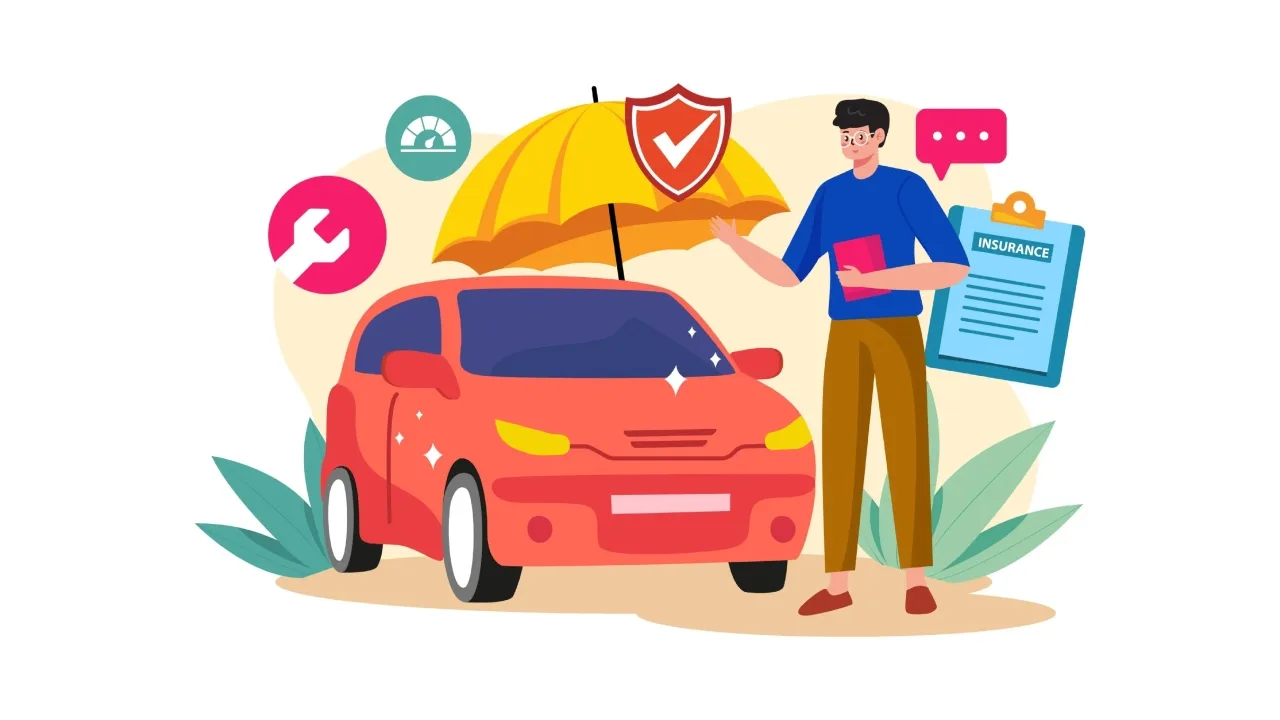
To protect your car from natural disaster-related damage, a comprehensive motor insurance policy is the best choice. It includes two key parts—own damage cover and third-party cover.
What Own Damage and Third-Party Cover Mean
Own damage cover helps pay for repairs to your vehicle due to accidents or natural disasters like floods or hailstorms. Third-party cover pays for damage caused by your car to another person or their property. However, any engine-related loss will be paid only if you’ve added engine protection to your plan.
Steps to File an Insurance Claim After Flood Damage
If your car is affected by floods and you have the right coverage, follow these steps to file a claim properly. First, call your insurance company’s toll-free number with your policy number to report the claim. Then, download and fill out the claim form from the company’s website. Attach required documents like your RC, license, and policy copy.
Also Read: Big relief in summer this car AC feature saves you from ₹10000 in repairs know how
A company surveyor will then inspect your vehicle. In some cases, this can be done via video. Don’t move or repair the car until the survey is done. After review, if the report is approved, your claim will be processed and the payment released.
Why You Must Stay Alert
Every year, monsoon damage leads to heavy losses for vehicle owners. That’s why it’s important not to rush while buying insurance. Read all terms clearly. Choose add-ons like flood cover and engine protection, even if they cost a bit extra. These small additions can save you from major financial stress during floods or storms.