
Haryana Government Action on IDFC: The revelation of an alleged fraud of ₹590 crore in Haryana government accounts has sent shockwaves through the banking world. Following this suspicious transaction at the Chandigarh branch of IDFC First Bank, the state government has taken a tough stand and barred IDFC and AU Small Finance Bank from all government operations with immediate effect.
This decision has not only raised questions about the functioning of private banks but has also sparked a new debate about safe havens for government deposits. It is believed that this controversy could lead to the transfer of government department funds from private hands back to large public sector banks. Let’s understand in detail what this entire matter is and which banks will be most affected.
Private Banks Face Increased Difficulties
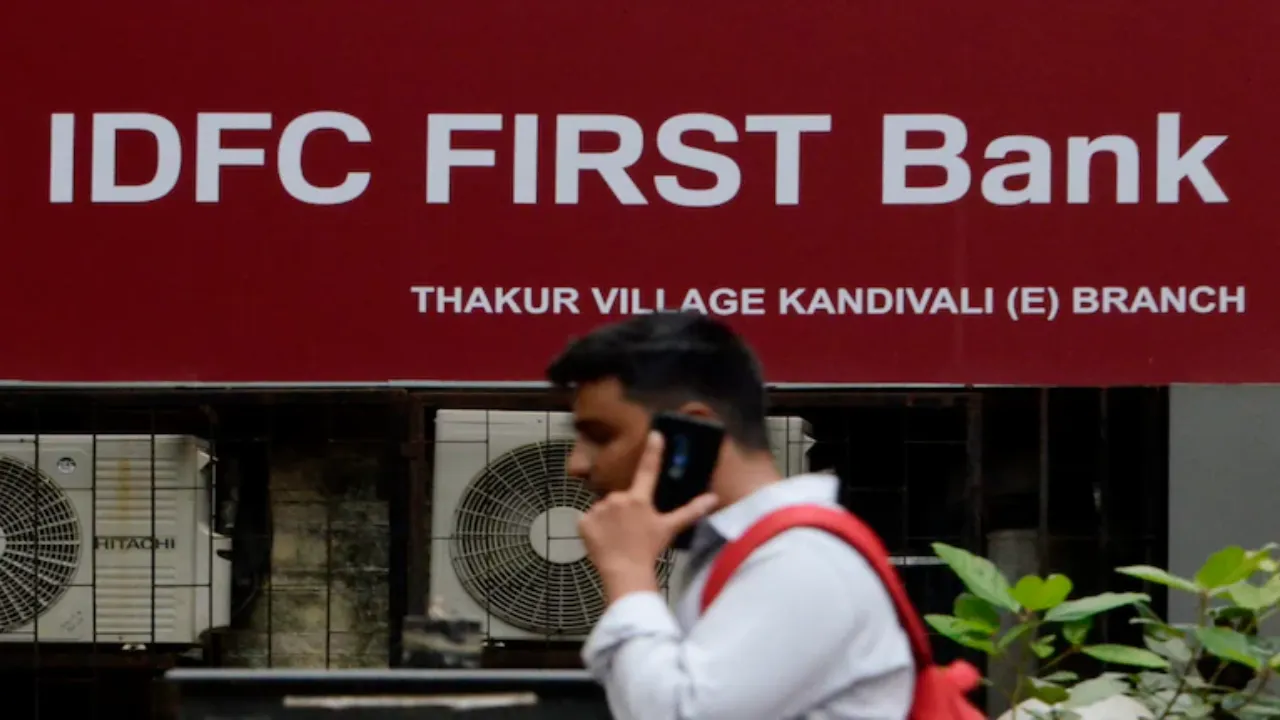
According to a report in the Economic Times, this tough action by the Haryana government is expected to significantly benefit major public sector banks like SBI and PNB. Banking experts believe that government departments’ low-cost deposits, or CASA, may now shift from private banks to public sector banks.
According to Macquarie Capital, government deposits held in private banks will now be under stricter monitoring, which could lead to a transfer of funds in the medium term. Since the COVID-19 pandemic, the CASA ratio in the banking system has already fallen 500-600 basis points from its peak. As such, raising deposits was already challenging for private banks, and now this controversy has put a significant strain on their financial credibility.
Direct Impact on Commissions and Deposits
Private sector banks are already struggling with slow deposit collection. Statistically, state and central governments account for approximately 8 to 10 percent of IDFC First Bank’s total deposits. If such a large amount of government funds is withdrawn, it is bound to have a negative impact on the bank’s liquidity.
Reduced government operations directly translates into a decline in agency commissions. This is the fee the Reserve Bank of India (RBI) pays banks for handling government transactions. This situation is being seen as a major opportunity for institutions like PNB, SBI, Canara Bank, and Union Bank.
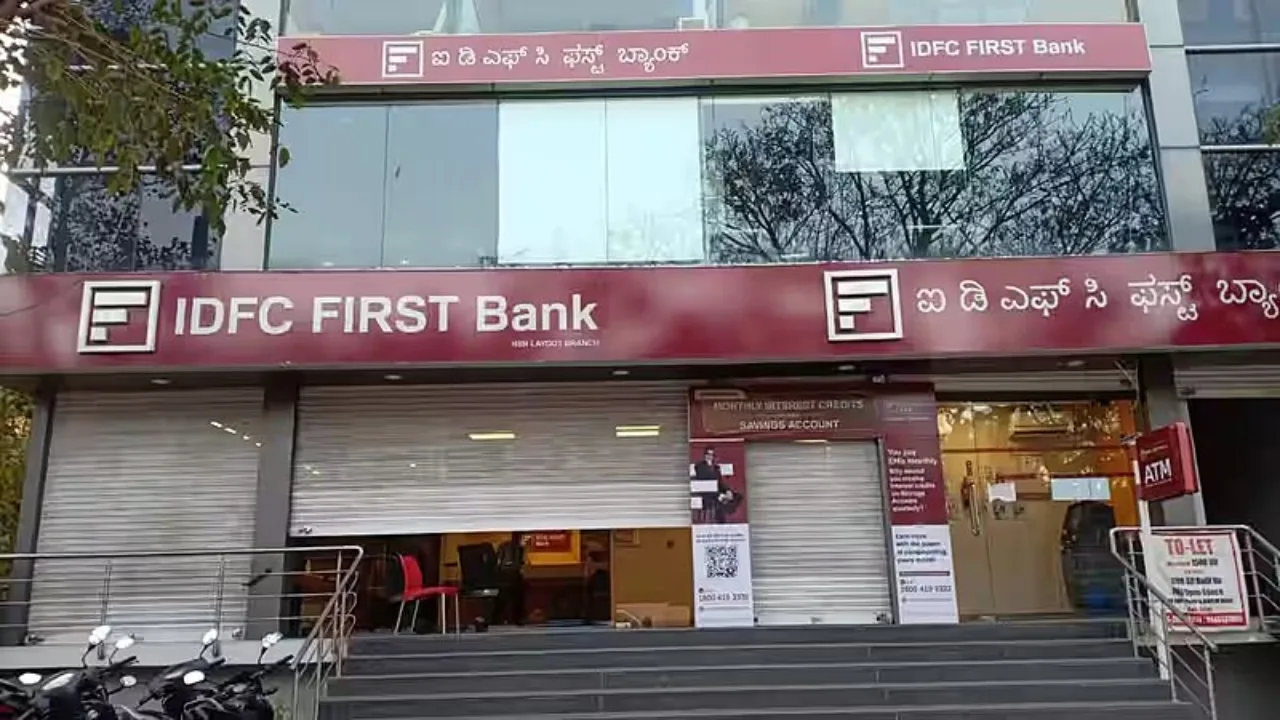
Banks’ clarification on the allegations
Amidst this serious action, IDFC First Bank MD V. Vaidyanathan has attempted to reassure investors. He clarified that their relationship with the government is very strong, and this is not a systemic issue. The bank is fully committed to strengthening its processes to prevent such incidents from recurring in the future.
Meanwhile, AU Small Finance Bank has clarified that no fraud has occurred at its bank. According to the bank, the Haryana government’s deposits have indeed declined from ₹735 crore to ₹538 crore, but all transactions were authorised by the concerned government department and were carried out as per normal business procedures.
Related Stories
Latest
1
 Hindi News
2
 Hindi News
3
 Education
4
 latest news
5
 Hindi News
6
 Business
7
 Hindi News
8
 Hindi News
9
 Education
10
 Business