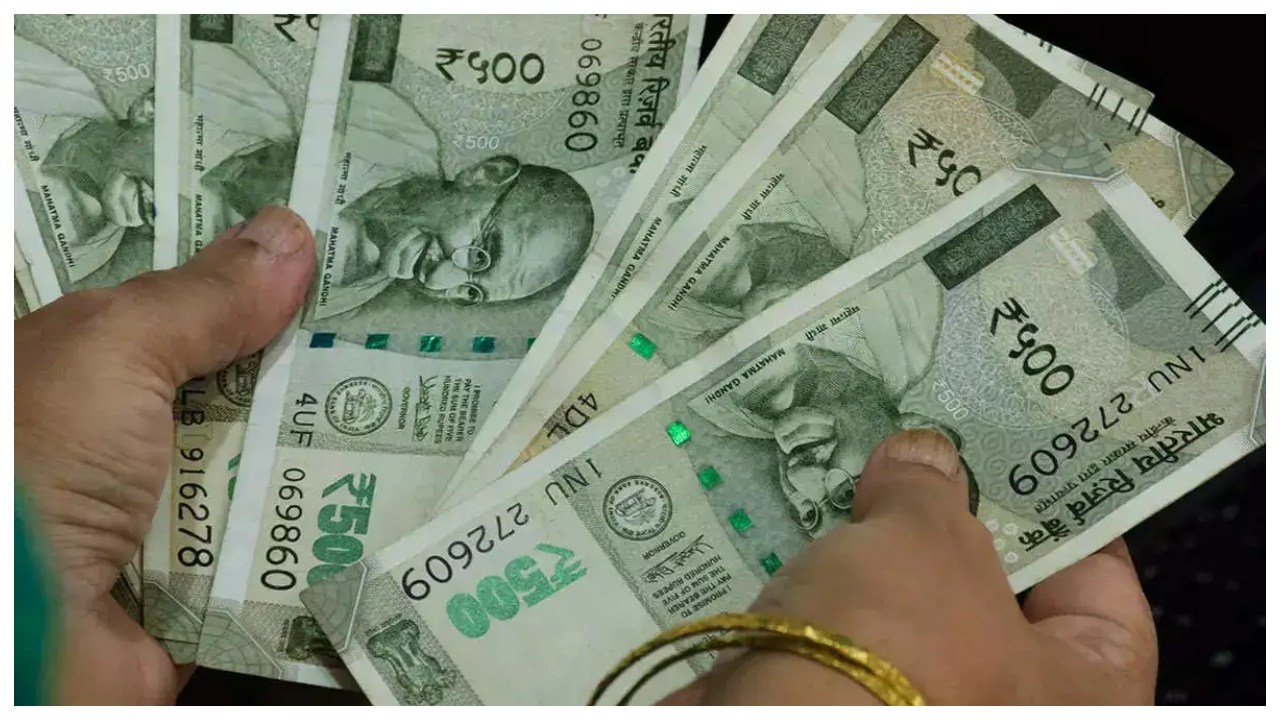
8th Pay Commission: The central government has approved the Terms of Reference (ToR) for the 8th Central Pay Commission on October 28, 2025. This means that the review of salaries, allowances and pension structures of central government employees and pensioners will now begin. The government formed the commission in January 2025. It has 18 months to submit its report. Typically, the government reviews its employees’ salaries every 10 years to keep them current with inflation and the cost of living.
What is Pay Commission?
The Pay Commission is an expert committee constituted by the central government. It determines the salaries and allowances of government employees, defense personnel, and pensioners. Its purpose is to ensure that employees’ incomes remain in line with inflation, job responsibilities, and the cost of living. The Commission also oversees the maintenance of pay parity across all service categories. The 8th Pay Commission succeeds the 7th Pay Commission, which was implemented in January 2016.
What will the commission review?
The 8th Pay Commission will review the existing Pay Matrix, which includes different levels of pay and grade pay. It will determine a fitment factor, which is multiplied by the basic pay to determine the new salary. The Commission will review allowances such as house rent allowance (HRA), transport allowance, and medical allowance. It will recommend their integration or revision, if necessary. It may also suggest changes to the pension formula and improvements to job classification.
What can be the fitment factor?
The 7th Pay Commission set a fitment factor of 2.57, meaning the new basic pay was determined by multiplying the 6th Pay Commission’s basic salary by 2.57. The minimum basic pay was set at Rs 18,000 per month. Now, employee organizations want this to be raised to at least 3.68 in the 8th Pay Commission. They are demanding that the minimum basic pay be increased to between Rs 26,000 and Rs 39,000.
There are various estimates regarding the fitment factor for the 8th Pay Commission. According to some reports, it could be between 1.83 and 1.92, with a maximum estimate of 2.46 to 2.86. However, these are only preliminary discussions. The actual fitment factor will be determined only after the Commission’s final report and its approval by the President or the Union Cabinet.
How the Pay Commission process works
When the government appoints a new pay commission, it is given a Terms of Reference (ToR). This outlines the commission’s focus, timeframe, and standards for submitting its report. The commission then collects data on the number of employees, current pay structures, inflation rates, private sector salaries, and pension liabilities.
It then discusses the recommendations with employee organizations, ministries, and other stakeholders and prepares a detailed report. After receiving the report, the government reviews the recommendations and decides which ones will be implemented. An Implementation Order is then issued.
What instructions has the government given this time?
This time the government has directed the 8th Pay Commission to keep in mind not only the interests of the employees but also the fiscal stability and the impact on the state governments. Many state governments implement the recommendations of the Central Pay Commission, which can impact the country’s financial situation. The government wants the commission to strike a balance between employee welfare and the country’s economic potential.
What will be the impact on employees and pensioners?
The recommendations of the 8th Pay Commission will affect approximately 4.7 million central government employees and 6.9 million pensioners. If the Commission increases the fitment factor, it will directly impact the minimum basic pay and employees could see a significant increase in their salaries.
This won’t just be a salary increase. It will also impact allowances, pensions, and even private salary structures, as many companies rely on government salary structures as a benchmark. For pensioners, this reform could boost their purchasing power, which has been eroded by inflation.