Bank Mega Merger: The country’s banking system is set to undergo a significant transformation in the near future. The government is planning to merge small public sector banks. Finance Minister Nirmala Sitharaman stated that the country needs a world-class banking system. Efforts are underway to expand Indian banks to make them among the top global banks. The government is working on a mega-merger plan for public sector banks, which would involve merging smaller banks with larger ones. The banking system plays a significant role in the country’s economy. In the past few years, the central government has taken several steps to strengthen banks. Except for the State Bank of India, Canara Bank, Punjab National Bank, and Bank of Baroda, all other banks in the country could be merged.
What did Nirmala Sitharaman say?
Finance Minister Sitharaman stated that the country now desperately needs firm, large, and reliable public sector banks. To achieve this, the government must first meet with the banks to discuss how they wish to proceed. Addressing the 12th SBI Banking and Economics Conclave in Mumbai on November 6, Nirmala Sitharaman said, “There’s a lot of work to be done before I can say yes. I’ve made the decision, and work has already begun. We’re also in discussions with the Reserve Bank of India about their views on creating a larger bank.”
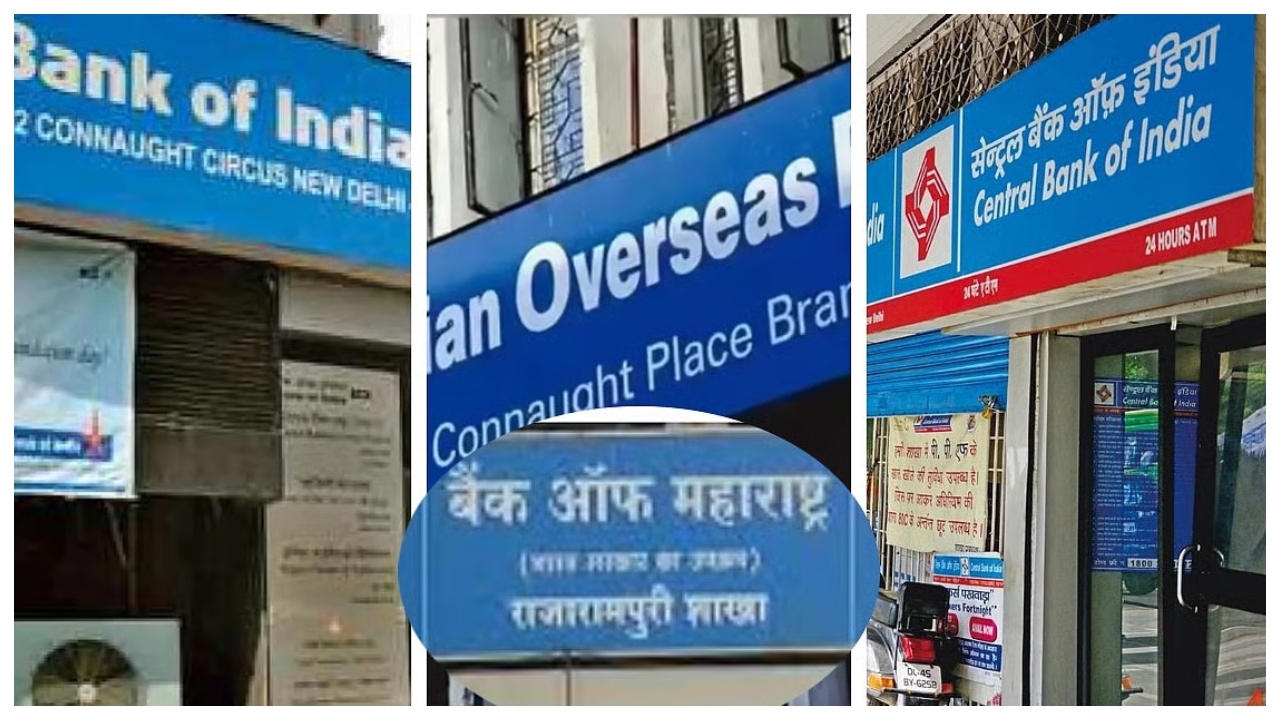
According to media reports, in the second phase of the bank merger plan, Indian Overseas Bank, Central Bank of India, Bank of India, and Bank of Maharashtra could be merged with larger banks like Punjab National Bank (PNB), Bank of Baroda (BOB), and State Bank of India (SBI).
In 2017, five associate banks of SBI and Bharatiya Mahila Bank were merged with the State Bank of India.
In 2019, Vijaya Bank and Dena Bank were merged with Bank of Baroda.
In 2020, Oriental Bank of Commerce and United Bank of India were merged with Punjab National Bank.
The merger will impact not only employees but also account holders. The merger may result in new passbooks, chequebooks, and account numbers. Banking deposits, fixed deposits, interest rates, loans, etc., will remain unaffected, but a change in branch name and address may require a visit to the bank branch for new chequebooks and passbooks.