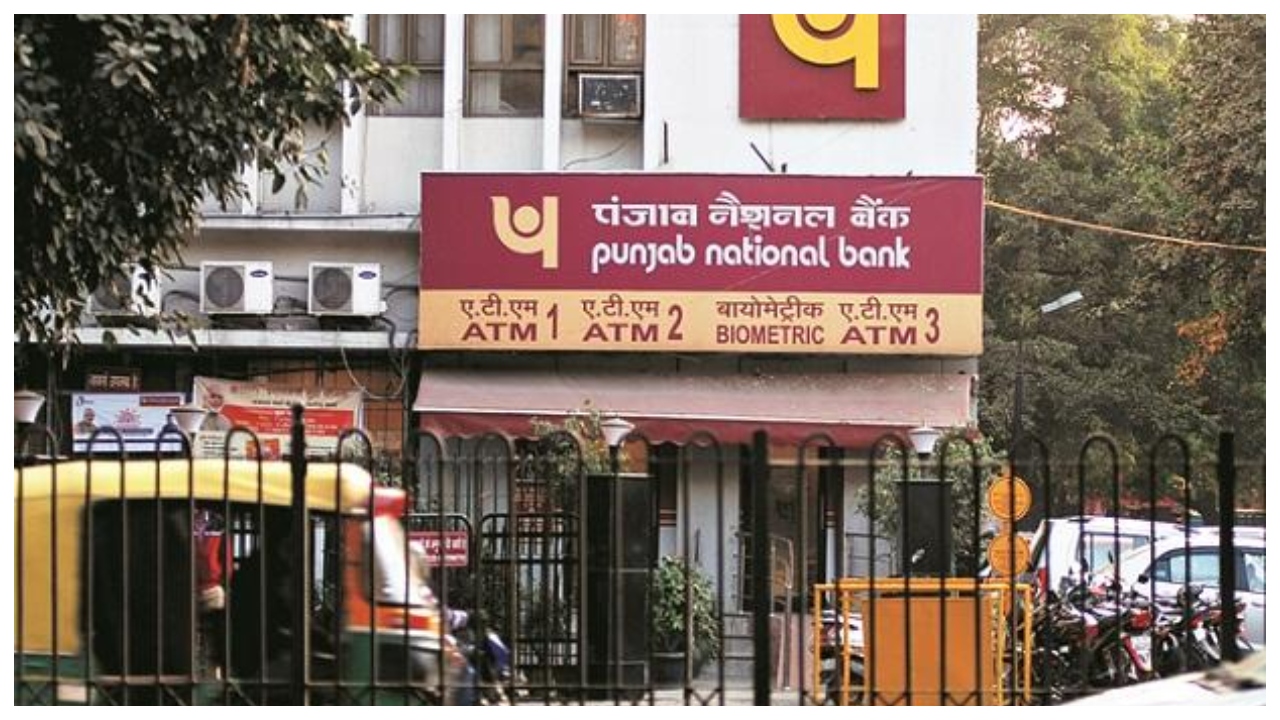
SBI, PNB, BOB, Canara Bank: Work on the merger of public sector banks in the country is progressing rapidly. The government is in discussions with the RBI and public sector banks. The Finance Minister says the country now needs strong, reliable public sector banks. To achieve this, the government must first meet with the banks to understand how they intend to proceed. Finance Minister Nirmala Sitharaman hinted at the merger of public sector banks on Thursday at the 12th SBI Banking and Economics Conclave. Addressing the 12th SBI Banking and Economics Conclave in Mumbai on November 6, the Finance Minister said, “There is a lot of work to be done before I can say yes. I have made a decision, and work has already begun.”
In August 2019, the government announced the merger of four large public sector banks, reducing the number from 27 in 2017 to just 12. This merger came into effect on April 1, 2020. United Bank of India and Oriental Bank of Commerce were merged with Punjab National Bank. Syndicate Bank was merged with Canara Bank, and Allahabad Bank with Indian Bank; Andhra Bank and Corporation Bank were merged with Union Bank of India. Earlier in 2019, Dena Bank and Vijaya Bank merged with Bank of Baroda.
Under Bank Merger 2.0, Indian Overseas Bank (IOB), Central Bank of India (CBI), Bank of India (BOI), and Bank of Maharashtra (BOM) could be merged with larger banks like Punjab National Bank (PNB), Bank of Baroda (BOB), and State Bank of India (SBI).
How many banks will remain?
If the government’s merger plan is completed within the stipulated timeframe, the number of public sector banks in the country will decrease. Only four public sector banks will remain in the country. After the mega merger, India will be left with SBI, PNB, BoB, and Canara Bank.