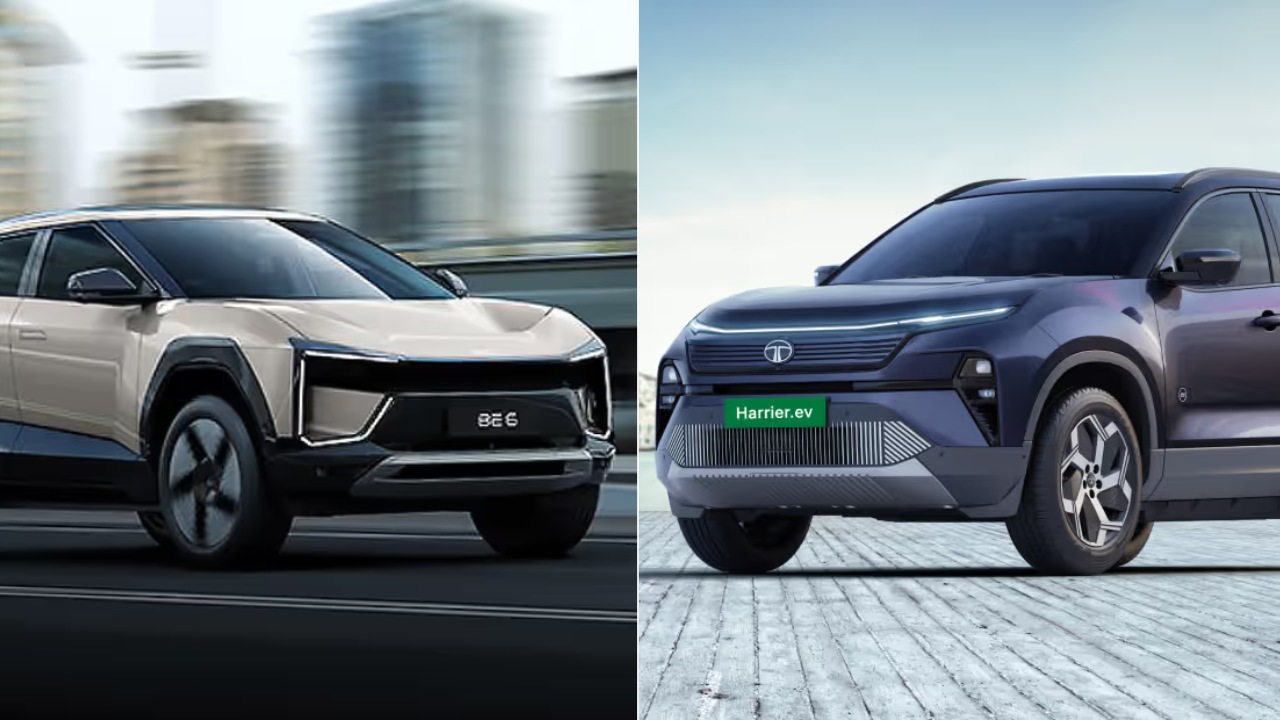
Indian Vs Foreign EVs In 2025 : Electric vehicles have become the darling of the Indian automobile market. While this transport mode grows under the Indian government’s electrification mission, consumers are actively supporting its adoption for a cleaner environment. Already, local EV manufacturers are starting to gain their first momentum; foreign competition with high-tech foreign brands like Tesla, BYD, Kia, and Hyundai will, from now on, steal the spotlight. Is it worth going for Indian EVs by 2025, or will we stick with foreign ones? Let’s investigate this!
Design And Build Quality
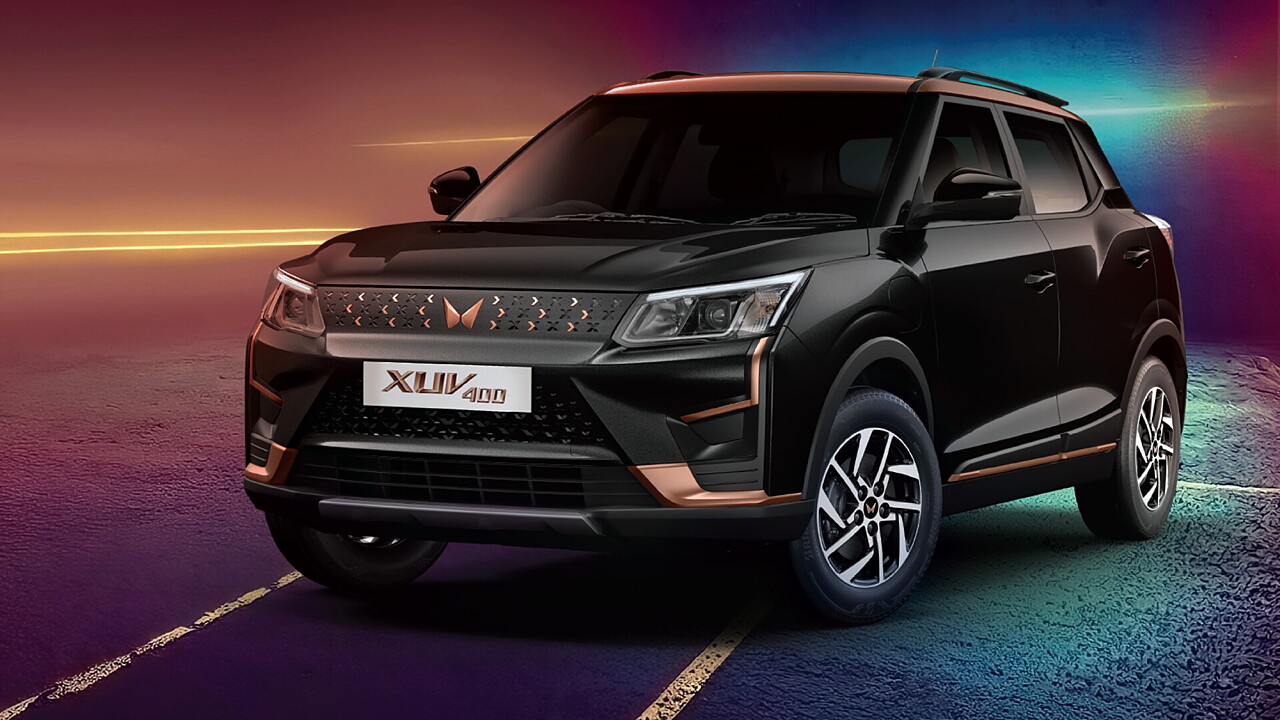
Tesla Model 3, BYD Seal, Hyundai Ioniq 5… these mega models belong to a set of EVs that are imported into India. The safety and testing of these cars remains pretty global. These cars focus deeply on aesthetics, aerodynamics, and futuristic looks. Contrarily, Indian homegrown EVs such as Tata Nexon EV, Mahindra XUV 400, and MG Comet EV are built for convenience, road, and environmental conditions specific to India. Local EVs have improved greatly in build quality compared to critical mass safety ratings, where Tata and Mahindra are expected to score decently on Global NCAP safety ratings.
Technology And Smart Features
Imported EVs still have a slight advantage over local ones when it comes to tech. The mind-blowing stuff, like Tesla’s Autopilot, BYD’s Blade Battery tech, and Vehicle-to-Load (V2L) features of the Hyundai Ioniq 5, are brilliant. Indian EVs are going to leapfrog tech progress on the giants by 2025, with two upcoming models, the Tata Curvv electric car and the Mahindra BE.05, equipped with high-end infotainment systems, connected car tech, and fast charge options. AI-assisted driving technologies with OTA updates would bring Indian EVs right up to the global standard now.
 Performance And Range
As far as performance goes, imported EVs are, by far, the gold standard. The Model 3 does approximately 500-550 km per full charge cycle, while Seal reaches even beyond with a distance exceeding 480 km. In comparison, India’s Nexon EV LR and XUV400 EL lag behind with ranges somewhere around 400-450 km. Earlier, it used to be considered that Indian products were inferior when it came to power and distance; today, Indian models have come a long way, and distance-wise are rapidly closing in with renewed vigor.
Price And Maintenance
This is the widest divergence among all other differences. Imported and heavily taxed, EVs start anywhere between ₹ 40 lakh and ₹1 crore; on the contrary, made-in-India EVs range from a meager ₹ 10 lakh to ₹ 25 lakh. In maintenance, too, India-made EVs enjoy spare parts and service centers locally; imported parts are costly to service because they are all imported.
Charging Network And Support
In India, fast charging networks are being set up quickly across the country by Tata Power, Zeon Charging, and Statiq. This makes Made-in-India EVs very compatible with these networks. On the contrary, imported EVs have some technical issues with the adapters and the specification of charging specification. However, by the year 2025, almost all global brands would have set up their charging infrastructures in India.
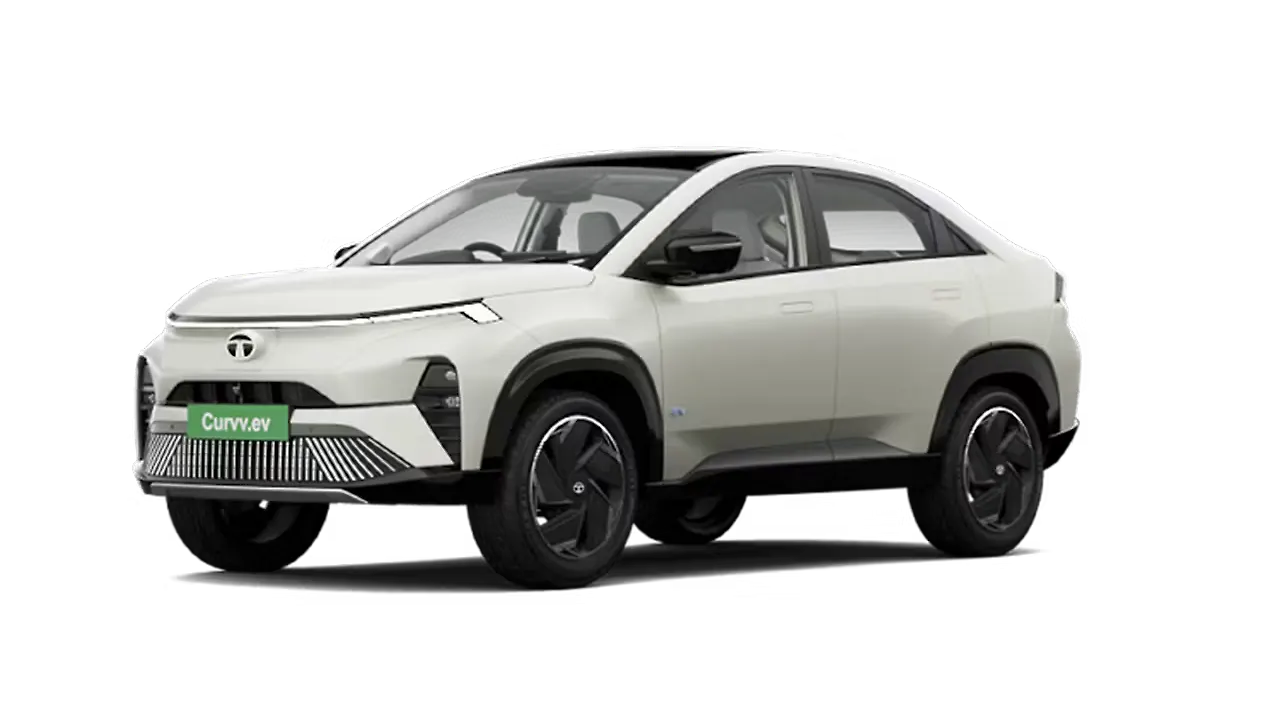 With the Tata Nexon EV, Mahindra XUV400, and Tata Curvv EV, soon to be launched, one can expect these to be the perfect practical, easy-on-pocket, and hassle-free maintenance electric cars built entirely in India. With a stylish design, aesthetics, and features, luxury high-tech brand imported EVs like the Tesla Model 3 and Hyundai Ioniq 5 will create a major buzz among prospective buyers. Come the year 2025, and it sure will be the ardent era for Made-in-India EVs, with these cars running proud benchmarks all over the world.