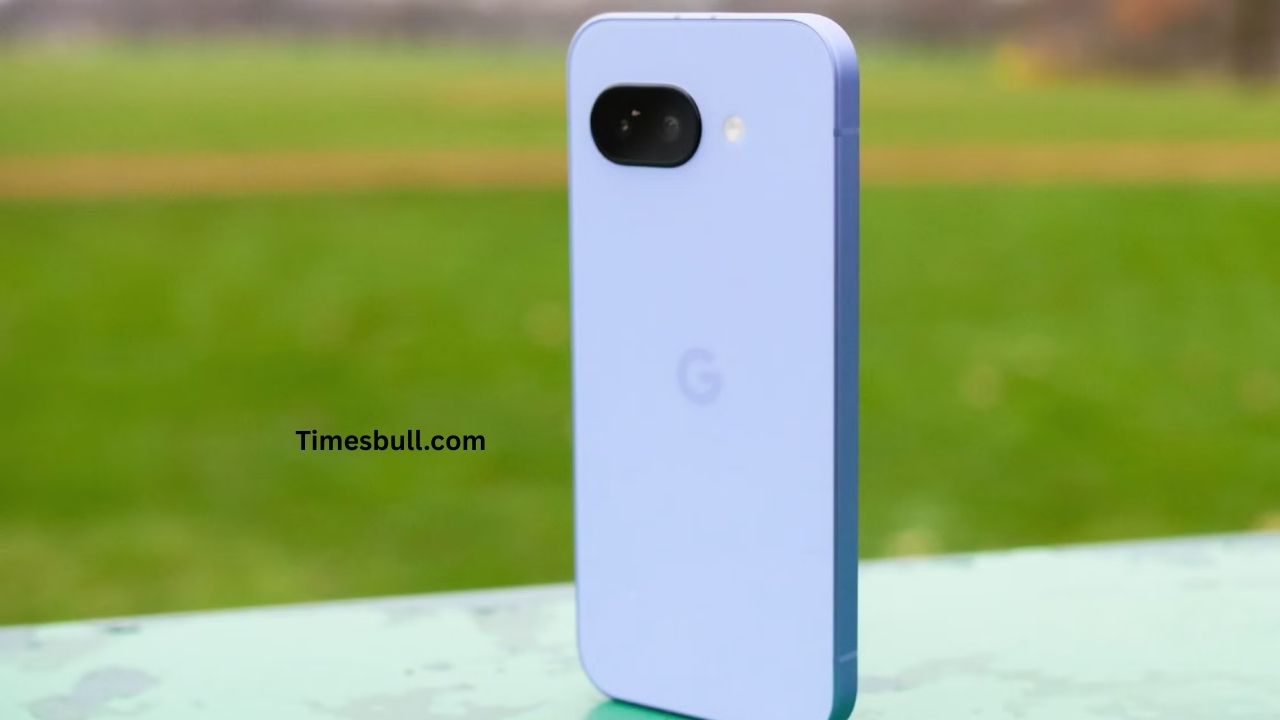
Google Pixel 10a: While Google Pixel 10 series brought with it some significant improvements, such as the PixelSnap feature, Tensor G5 chip developed by TSMC, and more AI capabilities, the budget Pixel 10a does not seem to have the same improvements. Latest leaks have pointed towards the budget variant feeling like a repeat of last year’s Pixel 9a, with hardly any significant improvements to make it worth the upgrade.
Read More: Samsung Galaxy A15 5G vs Google Pixel 7a: Value for Money?
Same Processor, No AI Gains
One of the largest letdowns with the Pixel 10a is that it doesn’t have a new processor. Rather than the Tensor G5, Google is said to remain with Samsung-built Tensor G4. That translates to no performance upgrade over the Pixel 9a. The choice also impacts the AI feature set, as the Tensor G5 introduced a 60% more capable NPU, allowing for advanced functions such as Magic Cue, a real-time assistant feature. Lacking this chip, the Pixel 10a will deprive itself of much of the latest AI innovation and fall behind the rest of the series.
Camera Hardware Remains Unchanged
The camera division is not thrilling either. While the lower-end Pixel 10 got a second telephoto camera for the first time, the Pixel 10a will not receive such an upgrade. Leaks indicate that it will retain the same main and ultra-wide sensors of the Pixel 9a, with no significant updates. Such a stagnation can come across as an opportunity wasted, considering Google had already reused older hardware for its last generation. For customers looking forward to improved photography or new camera features, the Pixel 10a might come up short.
Storage and Display: Cosmetic Updates Only
Another place the Pixel 10a skimps is storage. While the rest of the Pixel 10 family gets the faster UFS 4.0 storage, the Pixel 10a is rumored to be equipped with UFS 3.1. That translates into slower app loading and data transfer speeds than its siblings. On the plus side, at least one feature is an improvement to the screen. Reports are that the Pixel 10a will come with a 2,200-nit peak brightness panel, which is 200 nits higher than the Pixel 9a. Although an improvement, it’s a minor advance and not a game-changer.
Verdict: A Weak Follow-Up to the Pixel 9a
As a whole, the Pixel 10a doesn’t seem to present strong reasons to switch over. With the same Tensor G4 chip, the same cameras, no new AI software, and slower storage, it stands to be eclipsed by not only the Pixel 10 series but even by the Pixel 9a itself. The marginally brighter screen may enhance outdoor legibility, but it hardly makes the jump to a new model worthwhile. Unless Google surprises with hidden software features or aggressive pricing, the Pixel 10a may struggle to stand out in 2025’s competitive mid-range market.