




Supports Heart Health
The fiber, antioxidants, and omega-3 fatty acids in cauliflower help reduce bad cholesterol (LDL) and improve heart function. Regular consumption may lower the risk of cardiovascular diseases.

Aids in Weight Management
Low in calories (25 per cup) and high in fiber, cauliflower keeps you full longer, curbing overeating. Its versatility makes it a great substitute for high-carb foods like rice and pizza crust.

Boosts Digestive Health
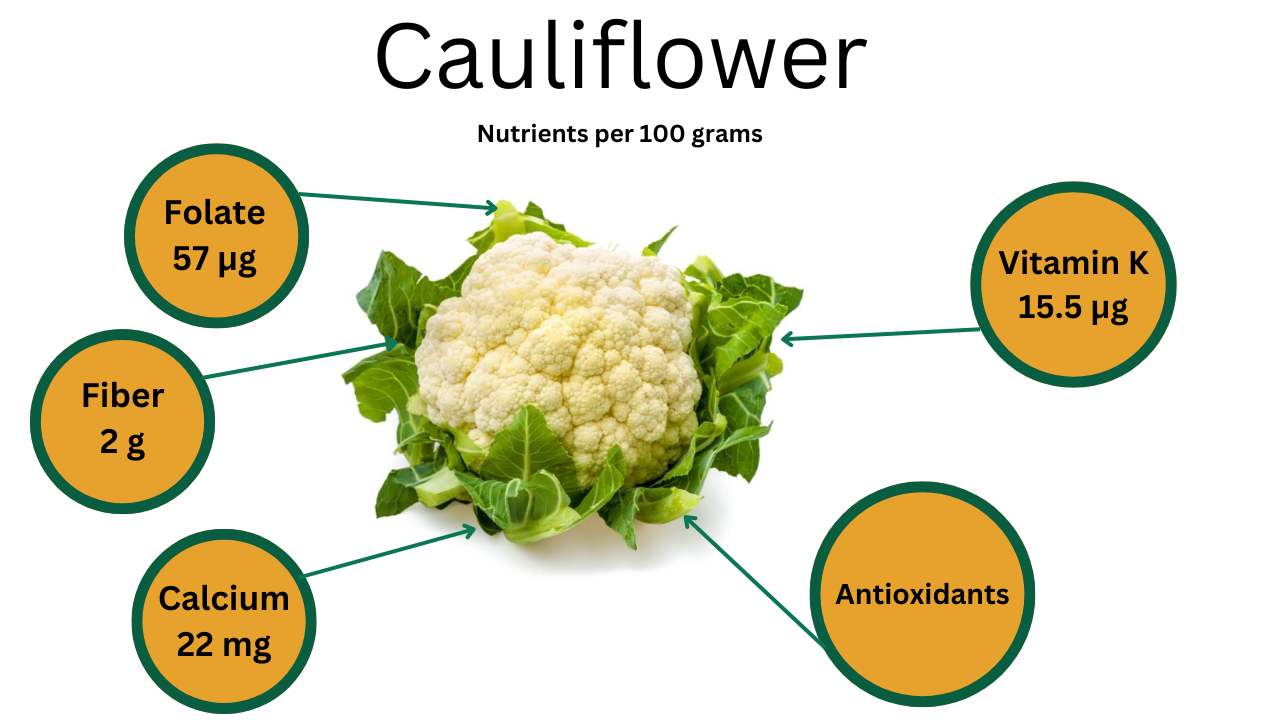
The high fiber content promotes healthy digestion by preventing constipation and supporting gut bacteria. Sulforaphane, a compound in cauliflower, also protects the stomach lining.
Fights Inflammation
Cauliflower contains antioxidants like beta-carotene and quercetin, which reduce inflammation linked to chronic diseases such as arthritis and diabetes.

Enhances Brain Function
Choline, an essential nutrient in cauliflower, supports brain development and cognitive function. Regular intake may improve memory and reduce the risk of neurodegenerative disorders.

Strengthens Immunity
Vitamin C in cauliflower boosts white blood cell production, enhancing the body’s defense against infections. Its anti-inflammatory properties further support immune health.

Promotes Detoxification
Glucosinolates and thiocyanates in cauliflower help the liver detoxify harmful substances, reducing oxidative stress and lowering cancer risk.