A credit score or CIBIL score plays a very important role in our financial situation. If a person has ever applied for a loan or credit card, then they must have heard about the credit score or CIBIL score. A good CIBIL score can help you get a loan at a low interest rate. On the other hand, if your CIBIL score is bad, then it can increase your financial difficulties. Therefore, you must improve it as soon as possible. Let’s know the 5 most effective ways to improve your bad CIBIL score.
How to improve your bad CIBIL score
A good CIBIL score not only increases your loan eligibility but also helps you get better financial terms. Here are some important ways by which you can improve your CIBIL score quickly:
1. Pay credit card bills on time
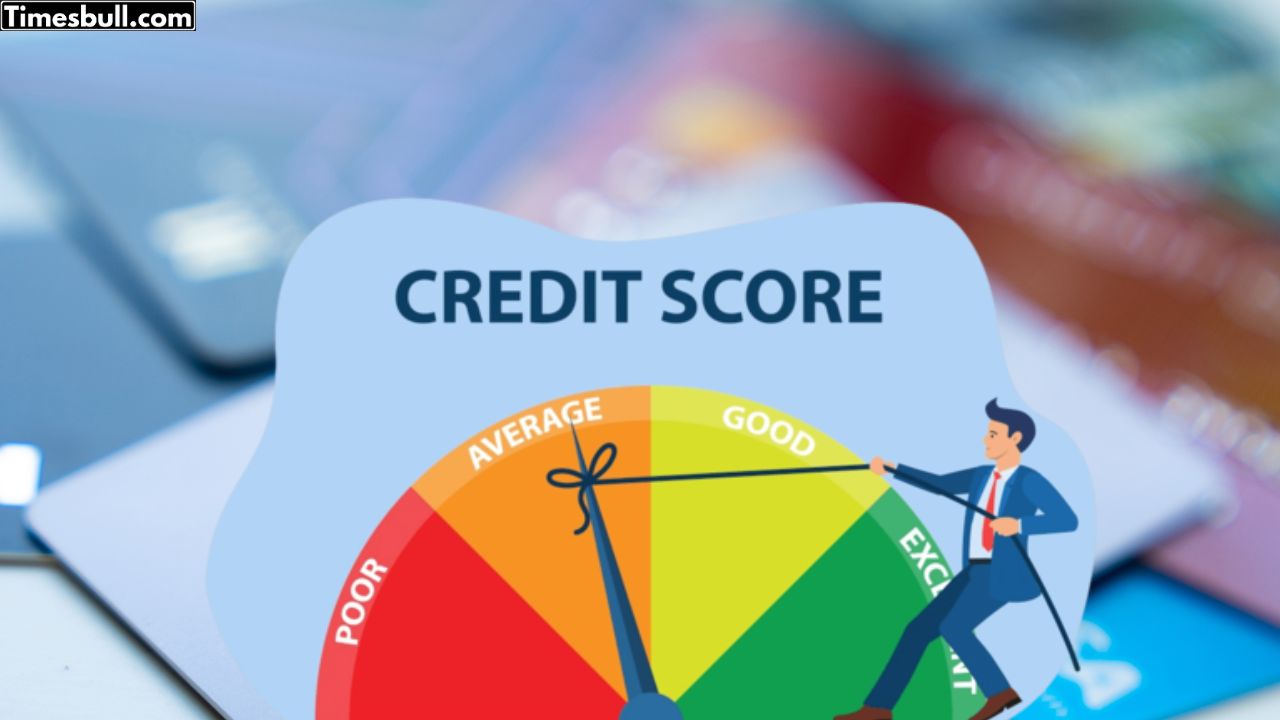
Paying credit card bills on time not only improves your CIBIL score, but you also avoid heavy penalties. Along with this, try to pay the credit card bill in full. Because the longer your outstanding amount remains, you have to pay a penalty according to the bank. Avoid making partial payments or just minimum payments, as this spoils your credit utilization ratio.
2. Do not take loans repeatedly in a short period
If you apply for a loan or credit card repeatedly, it seems that you are overly dependent on credit. In such a situation, your image deteriorates and banks start considering you ‘credit hungry’. This causes a lot of damage to your credit score. Every time you apply for a loan, a ‘hard inquiry’ is recorded on your credit report, which can bring down your score a bit. So, apply only when necessary.
3. Use only 30 percent of the credit limit
It is believed that you should use only 30 percent of your credit card limit. For example, if your credit card limit is ₹1,00,000, you should use only 30 percent, i.e., ₹30,000. This keeps your credit utilization ratio low, which helps improve your CIBIL score. A low utilization ratio shows that you use credit wisely.

4. Maintain a balance between secured and unsecured loans
Secured loans include car and home loans, in which you pledge something to the bank. On the other hand, unsecured loans include personal loans and credit cards, which do not have any collateral. It is important for you to maintain a balance between these two. This also affects your CIBIL score or credit score. Taking too many unsecured loans is considered risky and can negatively impact your score.
5. Avoid defaulting
If you have taken a joint loan with a family member, friend, or any other person, then you should avoid becoming a defaulter on it. If the loan is not repaid on time, you may suffer huge losses. This will not only affect your CIBIL score badly but will also hurt your credit score as well as the co-applicant. Always ensure that all the loan installments are paid on time.
Related Posts

Vikram Singh
Author at TimesBull covering breaking news and current affairs.
Related Stories
 Business
 Business
 Business
 Business
 Business
 Business
 Business
 Business
 Business
 Business