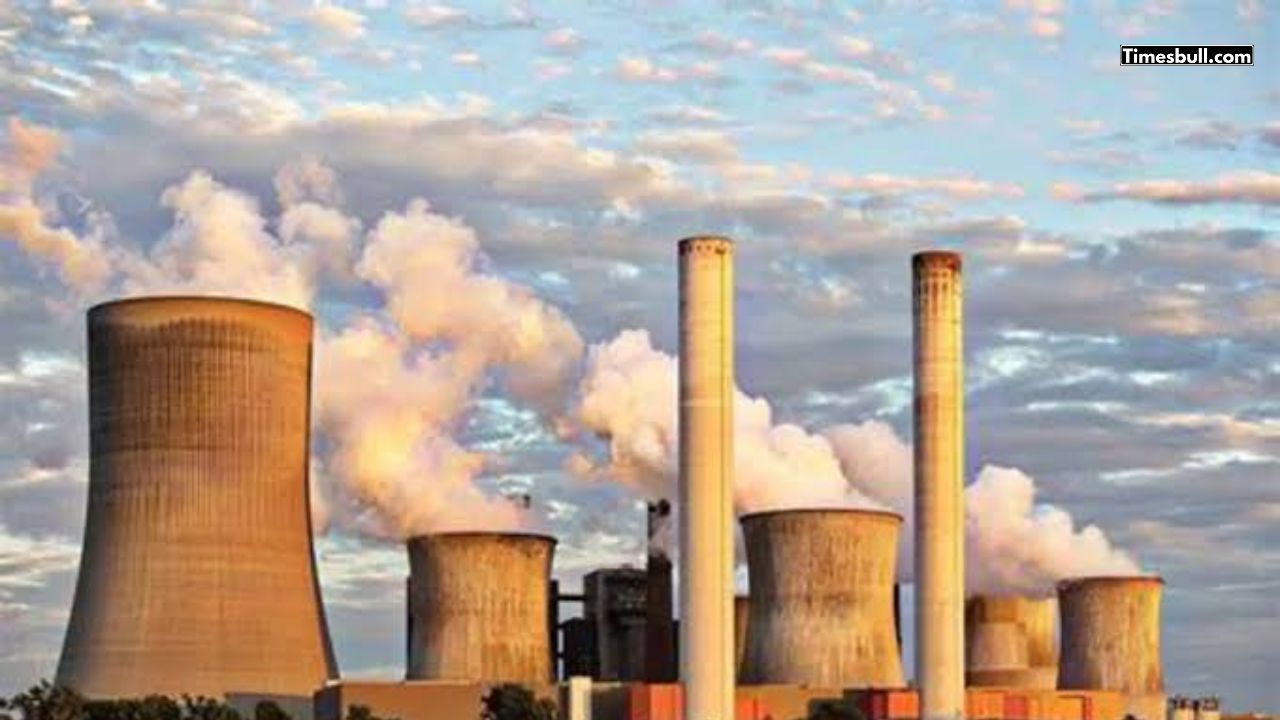
Haryana 800 MW Power Plant: 1400 MW electricity will be produced at Deenbandhu Sir Chhotu Ram Thermal Power Plant in Yamunanagar, Haryana. After Jhajjar, Yamunanagar will now become the second district of the state to produce electricity. Let us tell you that 3 units of 300 MW each are already running here. Now the foundation stone of the third unit of 800 MW will be laid on April 14. Preparations are going on for this.
PM Modi can lay the foundation stone
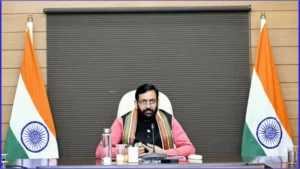
Former Chief Minister and currently Union Minister Manohar Lal Khattar and Prime Minister Narendra Modi can come to lay the foundation stone of this new unit. However, it has not been officially announced yet. The holiday of April 14 has also been canceled for this tour. A round of meetings has started by BJP officials. For your information, let us tell you that apart from this plant, there are 3 more coal-based thermal power plants in the state. After the installation of a new 800 MW unit in Yamunanagar, the total production of the state will be 1400 MW.
New unit will be built under Make in India
At present, electricity is being produced from two units of 300 MW each. Apart from this, about 40 MW hydro power unit is also being produced in the district. The new unit will be installed on the lines of ‘Make in India’, which will be completely indigenous. At present, two units of 300 MW each have been installed here.
In June 2024, the government had set a target to start the construction work of a new 800 MW unit, but the work was stopped due to the election code of conduct and non-receipt of environmental clearance. About Rs 6,000 crore will be spent on this project.
It seems like you’re referring to a major infrastructure project that was planned to begin in June 2024. The construction of an 800 MW unit was halted due to two main reasons: the election code of conduct and the delay in receiving environmental clearance. This project, which involves an estimated investment of Rs 6,000 crore, is likely a significant energy or power plant development.
The election code of conduct typically restricts government projects and announcements during an election period to prevent misuse of state resources. On the other hand, environmental clearance is a crucial step in ensuring that large-scale projects comply with environmental regulations and do not harm ecosystems.
Related Stories
 Gujarat
 Haryana
 Haryana
 Haryana
 HaryanaHaryana
 Haryana
 Haryana
 Haryana
 Haryana