


8th Pay Commission: The 8th Central Pay Commission is currently a major point of interest for central government employees and retirees. If the Commission’s proposals, including merging dearness allowance (DA) with basic pay and increasing annual increments, are accepted, it could potentially lead to a nearly doubled gross salary for central employees in the next seven years, based on employee organizations’ requests and financial analysis.
The Central Government officially established the 8th Central Pay Commission on November 3, 2025, with a mandate to review and suggest changes to the salaries, pensions, allowances, service conditions, and other benefits of over 5.5 million working employees and around 6.9 million pensioners, which includes retired defense personnel.
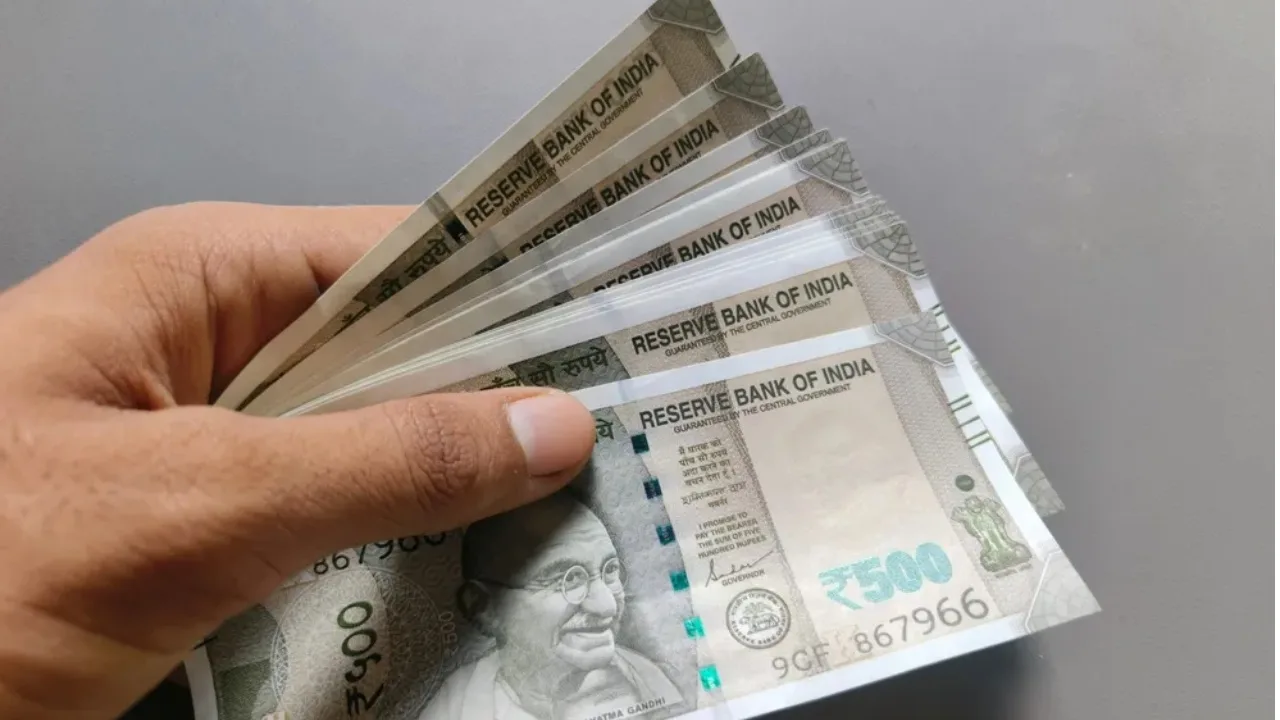
The 8th Pay Commission is currently engaged in regional consultations in various states and union territories, with scheduled meetings as follows:
– Delhi: August 7 and 10, 2026
– Chennai: September 7 and 8, 2026 (Last appointment date: August 18, 2026)
– Puducherry: September 9, 2026 (Last appointment date: August 18, 2026)
The commission is chaired by former Justice Ranjana Prakash Desai and includes former Supreme Court justices, with former Supreme Court Justice Ranjana Prakash Desai as the chairperson, former IAS officer Pankaj Jain as the member-secretary, and Professor Pulak Ghosh, a member of the Prime Minister’s Economic Advisory Council, as a member. The commission aims to recommend changes affecting approximately 50 to 55 lakh central government employees and 65 to 69 lakh pensioners.
Key demands from employee unions (NC-JCM):
The National Council-Joint Consultative Machinery (NC-JCM), a prominent employee representative body, has put forth several demands to the Commission. These requests include elevating the minimum basic pay to Rs 69,000, doubling the current 3% annual increment under the 7th Pay Commission to 6%, and periodically integrating DA into the basic salary.
Reports indicate that if the DA merger and 6% increment are implemented under the 8th Pay Commission, there will be a considerable rise in salaries due to the compounding effect. As the DA exceeds 50%, the call for its inclusion in the basic pay intensifies. With DA merged into the basic pay, the basic salary of an employee rises, leading to automatic increases in other allowances linked to the basic pay, such as HRA and TA.

Currently, government employees receive a 3% annual increment. If this is increased to 6% and DA is regularly added to the basic pay, the speed of salary growth will notably increase. The combined effect of higher annual increments and DA merger will act as a compounding factor, potentially doubling the gross salary within seven years.
The pivotal role of the fitment factor:
The fitment factor will be a critical aspect in the new Pay Commission. If historical trends are followed, a new fitment factor will result in a significant boost to employees’ minimum basic salaries from the initial stage. However, experts emphasize that the projection of doubling salaries in seven years is based on assumptions. The actual salary increase will hinge on the final recommendations of the 8th Pay Commission and their subsequent approval by the central government.