


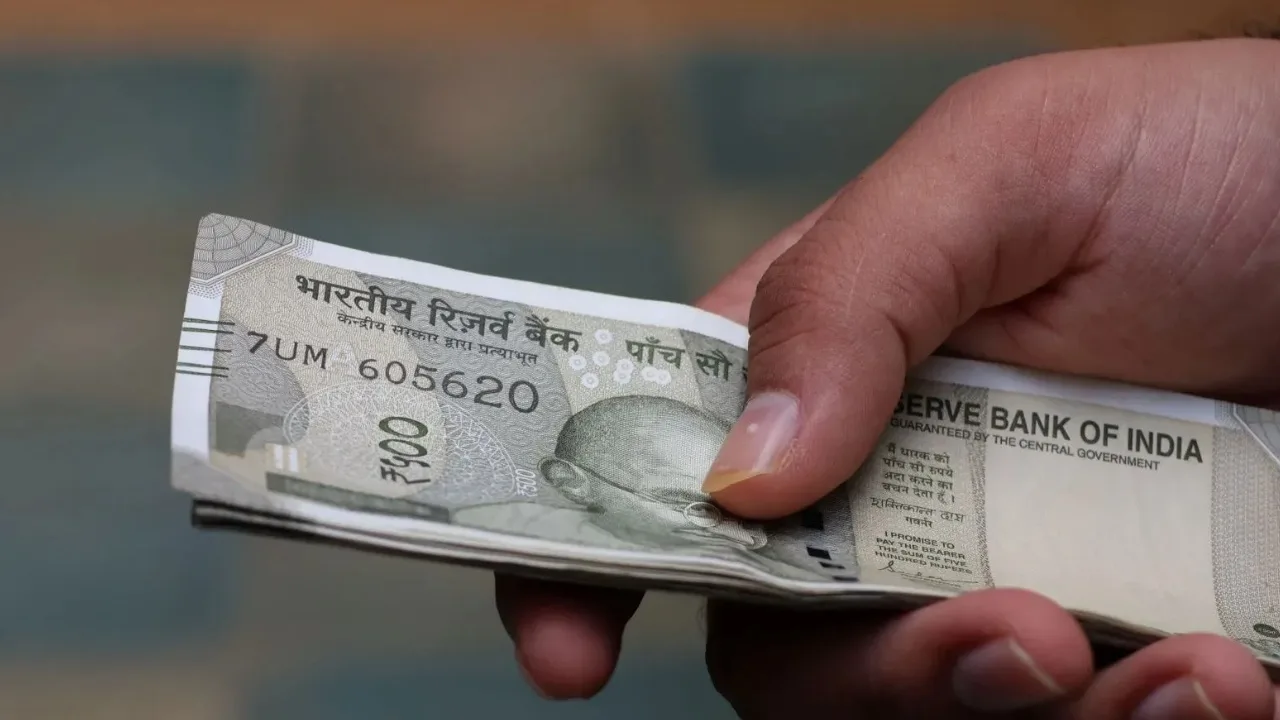
8th Pay Commission: Since the formation of the 8th Pay Commission, there have been ongoing discussions among government employees about salaries and pensions. Topics range from fitment factors to allowances, with retired employees debating the merits of the Old Pension Scheme (OPS) versus the National Pension System (NPS).
Chaired by Justice Ranjana Prakash Desai, the 8th Pay Commission has been in operation for over 10 months since its inception on November 3, 2025. Regular meetings with employee unions and associations have been conducted in various cities nationwide. Following sessions in Puducherry and Chandigarh, central employees’ demands will now be addressed in Bengaluru on October 7th and 8th.
The Commission has a deadline of 18 months to present its final report, expected to be submitted to the government around May-June 2027. Apart from discussions on fitment factors, salary revisions, and allowances, the most contentious issue raised during meetings has been the debate between OPS and NPS. Employees who entered service after 2004 are now advocating for a “guaranteed pension.”
Employee organizations across the country have expressed dissatisfaction with the contributory pension system for post-2004 recruits. In submissions to the 8th Pay Commission, unions have highlighted the ineffectiveness of current market-based return schemes in ensuring financial security for employees and their families. They are urging for a return to the old ‘defined benefit’ system for stability and security.
Here are the key demands put forward by major employee organizations before the 8th Pay Commission:
Ministerial Staff Association (Survey of India): Employees from the Survey of India are pushing for the complete reinstatement of the Old Pension Scheme (OPS), with a demand for at least 50% of an employee’s final basic salary to be guaranteed as pension upon retirement.
Federation of National Postal Organizations (FNPO): The FNPO, a leading postal department organization, argues that current schemes like NPS and UPS are not meeting employee needs. They propose that all NPS and UPS participants should be switched back to the traditional defined-benefit pension system (OPS).
Railway Senior Citizens Welfare Society (RSCWS): This group of railway pensioners has highlighted concerns regarding the financial and health security of retired employees, calling for a guaranteed minimum pension and enhanced pension security.
Bharat Pensioners’ Samaj (BPS): As the largest pensioners’ forum, the BPS has tabled significant demands supported by data. Their proposals include raising the minimum pension to Rs 45,000 per month, granting a pension equivalent to 67% of the last salary, and increasing the family pension to 50% of the last salary.
What will happen next?
The Pay Commission is visiting various zones across the country to hear from all stakeholders. At these meetings, representations have been received on critical issues such as increasing the fitment factor, raising the minimum wage, and pension equalization.
The Commission will submit its report to the Central Government by May-June 2027. After this, if the government approves its recommendations, they will be implemented. The biggest question now remains: will the Central Government simply strengthen the existing contribution structure, such as the NPS/UPS, or will it, under intense pressure from employee unions, introduce radical changes to the pension structure.
The moral pressure on the government has increased as central employees unite to demand a “guaranteed pension” and a fixed formula of 50% of their last pay for pension reforms under the 8th Pay Commission. The final report, due in 2027, will determine whether the retirements of millions of employees recruited after 2004 will be secure.