


8th Pay Commission: Big news for central government employees. Central government employees have been eagerly awaiting the convening of the 8th Pay Commission for quite some time. Simultaneously, the Commission is engaging in crucial meetings at different locations to address the concerns of various employee groups. Today, the Commission is holding discussions with multiple unions in Kolkata.
Additionally, a new proposal related to the 8th Pay Commission has been submitted for review, which could bring substantial benefits to government employees. One of the requests put forth is regarding the professional tax, urging the Commission to consider this matter and its potential advantages for employees.
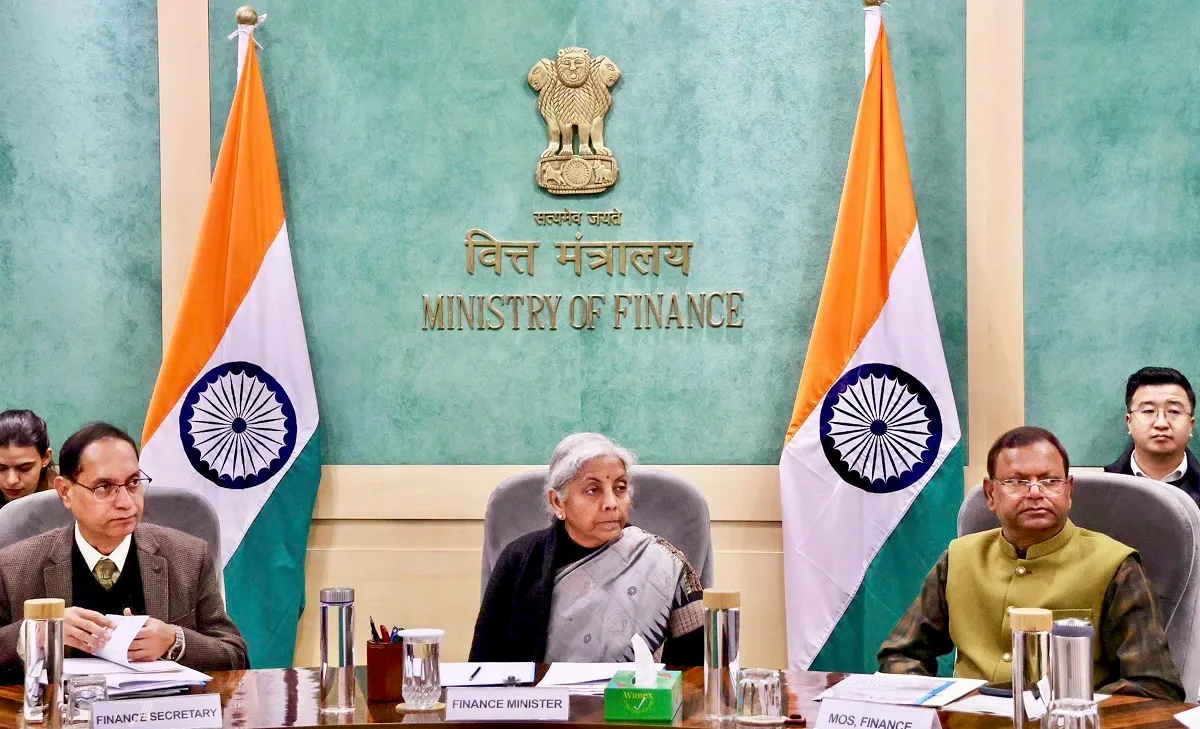
The Commission is actively soliciting input from all parties involved. In order to compile its final report, the 8th Pay Commission sought feedback from all employee associations and unions through both online and offline channels. Furthermore, the Commission is organizing meetings across different cities to ensure a comprehensive understanding of all perspectives.
The NC-JCM further said that, Employees already have to pay taxes like income tax and GST. Furthermore, if they pay professional tax, they are burdened twice as much.Key points raised concerning the professional tax include a specific demand made by the staff side of the National Council-Joint Consultative Machinery (NC-JCM). They suggested that the pay panel should look into exempting central government employees from the professional tax imposed by state governments on their salaries.
Professional tax is a direct tax imposed by Indian state governments on individuals earning income from employment, trade, or profession, such as doctors, lawyers, and salaried employees. This tax is applicable to all earners, not limited to traditional professions.

Under Article 276 of the Indian Constitution, all state governments have the authority to levy and collect professional tax. It is deducted based on the state’s individual tax slabs. However, the maximum limit is set at Rs 2,500 per annum. Central government employees who opted for the old tax regime are exempt from the professional tax deducted from their salaries under Section 16(3) of the Income Tax Act. However, no such exemption is available under the new tax regime.
While professional tax is not enforced in every state, certain states like Maharashtra, Karnataka, West Bengal, Bihar, and Madhya Pradesh levy this tax. According to Article 276 of the Indian Constitution, states cannot impose professional tax exceeding Rs 2,500 per person in a financial year. States like Delhi, Uttar Pradesh, Haryana, and Punjab do not impose professional tax.