


8th Pay Commission: Discussions are escalating among central government employees regarding the 8th Pay Commission, with demands being made for substantial changes in various allowances and factors to address the financial challenges faced by employees, especially in metropolitan cities. Employee organizations are advocating for adjustments in the fitment factor, HRA, TPTA, DA, and family unit to alleviate the strain caused by inflation. If these demands are met, there could potentially be a substantial increase of up to 65% in employees’ salaries.
Key central employee organizations like AINPSEF, NC-JCM, AIDEF, FNPO, and IRTSA have submitted recommendations to the 8th Pay Commission, emphasizing the merging of DA with Basic Pay, enhancing HRA and TPTA rates, and revising the family unit calculation due to the inadequacy of current allowances in light of soaring expenses. The president of AINPSEF, Manjeet Singh Patel, highlights the challenges faced by Level 1 employees in cities like Delhi and proposes adjustments to HRA and TPTA to ensure a more reasonable compensation package.

The proposal to increase the family unit from 3.0 to 4.4 units could potentially lead to a rise of around 46.66% in the fitment factor, significantly impacting employees’ basic salaries. The envisaged changes in HRA, TPTA, and the family unit could result in a considerable upsurge in monthly earnings for millions of central government employees and pensioners, although it is important to note that these are preliminary estimates pending final approval by the government and the 8th Pay Commission.
On HRA, AINPSEF has proposed rates of 36% for X cities, 24% for Y cities, and 12% for Z cities, while the NC-JCM Staff Side, AIDEF, and FNPO have jointly demanded 40%, 35%, and 30% for X, Y, and Z category cities. They have also recommended linking HRA with Dearness Allowance and extending HRA benefits to pensioners. IRTSA has suggested 40%, 30%, 20%, and 10% HRA for different city categories, with a provision to increase HRA by 25% whenever DA rises by 25%.
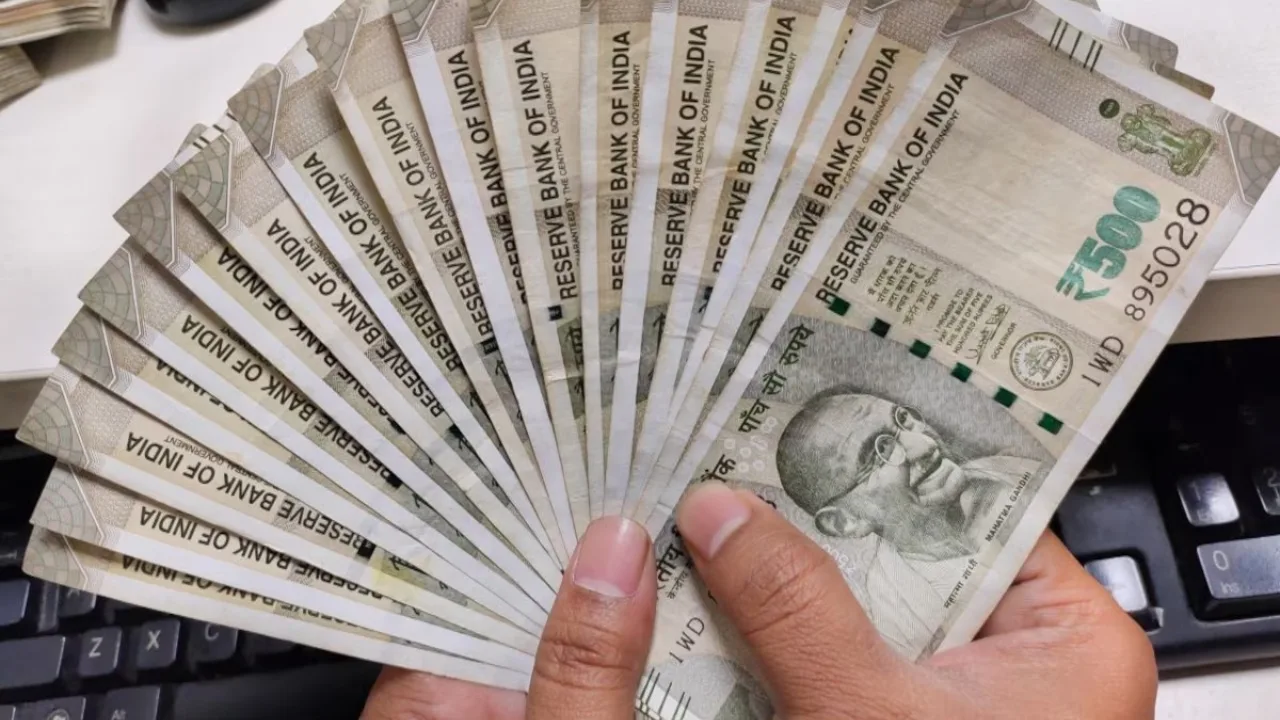
Regarding Transport Allowance (TPTA/TA), AINPSEF has proposed that it should be 12% of basic pay, with a minimum of ₹9,000 per month. NC-JCM Staff Side, AIDEF, FNPO, and IRTSA have recommended increasing the existing Transport Allowance by three times and linking it with DA.
They have also called for the reintroduction of the City Compensatory Allowance (CCA), while IRTSA has urged the government to expand the list of eligible cities.
On Dearness Allowance (DA), most employee organisations have demanded that DA should be merged with the basic pay once it reaches 25%. FNPO has additionally proposed calculating DA based on a six-month average, adopting a point-to-point calculation method, and eliminating rounding losses.
IRTSA has called for a new city-based Consumer Price Index (CPI) instead of the current CPI-IW 2016 to better reflect inflation faced by central government employees.
For the minimum wage and family unit, AINPSEF, NC-JCM Staff Side, AIDEF, and FNPO have recommended increasing the family unit from the existing norm to five members, resulting in a proposed minimum wage of Rs 69,000. IRTSA has suggested a family unit of 4.6–4.8 members, including parents and children, and proposed a minimum wage of Rs 52,600 based on that calculation.