


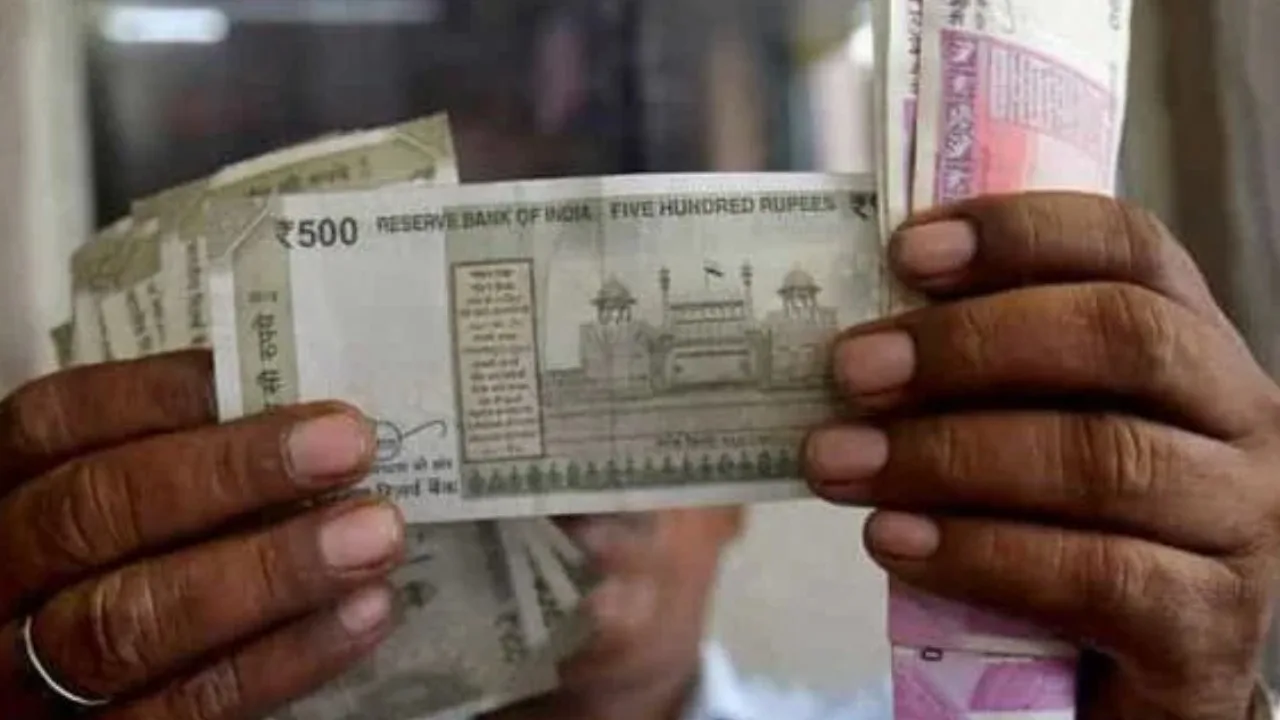
7th Pay Commission: The 7th Central Pay Commission (CPC) delivered one of the smallest inflation-adjusted salary increases in recent decades, according to a comparison of the real minimum pay hikes under the last six Pay Commissions. While government employees received a significant increase in basic pay, a substantial portion of it merely compensated for inflation through the merger of Dearness Allowance (DA) into basic salary.
7th Central Pay Commission Update
The comparison shows that the 2nd Pay Commission provided a real increase of 14.2%, while the figures rose to 20.6% under the 3rd CPC, 27.6% under the 4th CPC and 31% under the 5th CPC. The 6th Pay Commission delivered the highest real increase at 54%.
In comparison, the 7th Pay Commission recorded a real increase of just 14.3%, according to the official comparative table. This means that only the 2nd CPC recorded a slightly lower figure, while all other Pay Commissions delivered better inflation-adjusted salary growth.
The 7th CPC’s much-discussed fitment factor of 2.57 included a 2.25-times component attributable to the DA merger, which essentially accounted for inflation already compensated through Dearness Allowance. After excluding this component, the actual improvement in purchasing power was considerably smaller.
7th CPC fitment factor = 2.57 😮
But 2.25 of that is just DA merger. Real raise = only 14.3%
VI CPC gave 54%. V CPC gave 31%. Only the II CPC was lower than the 7th.
Source: 7th CPC report, para 4.2.9
#7thpaycommission #fitmentfactor https://t.co/2c9IvThGs9
“>November 17, 2026
Interestingly, the report’s explanatory text calculates the increase at 14.2% (2.57 divided by 2.25), whereas its official comparative table lists it at 14.3%, reflecting a minor rounding difference. Overall, the comparison highlights how the 7th Pay Commission delivered a relatively modest real salary improvement compared with most of its predecessors.