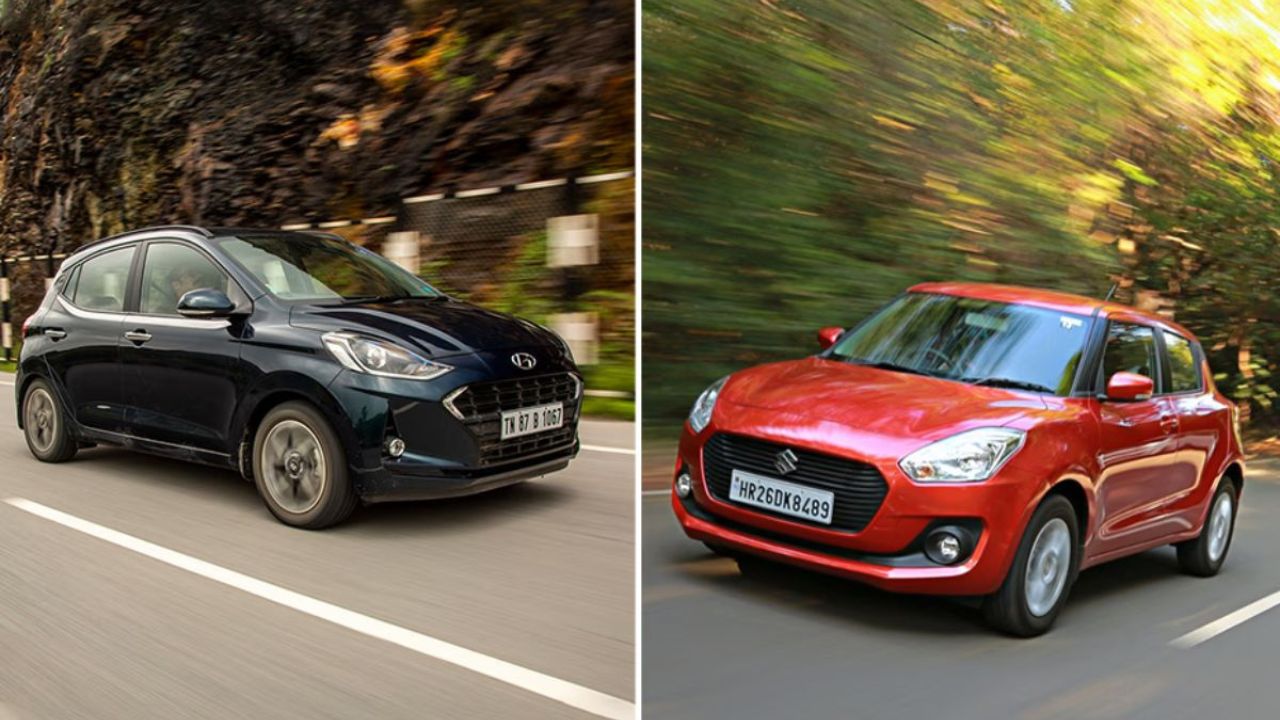
Maruti Suzuki Swift vs. Hyundai Grand i10 Nios : In the fiercely competitive Indian car market, the hatchback segment has two undisputed champions: the Maruti Suzuki Swift and the Hyundai Grand i10 Nios. Both have captured the hearts of Indian buyers, but they do so with very different strategies. The Swift appeals to those who crave a sporty drive and top-notch efficiency, while the Nios woos those who want a premium, feature-rich, and comfortable experience.
So, which one is the right choice for you? Let’s break down the key differences.
1. Design and Road Presence
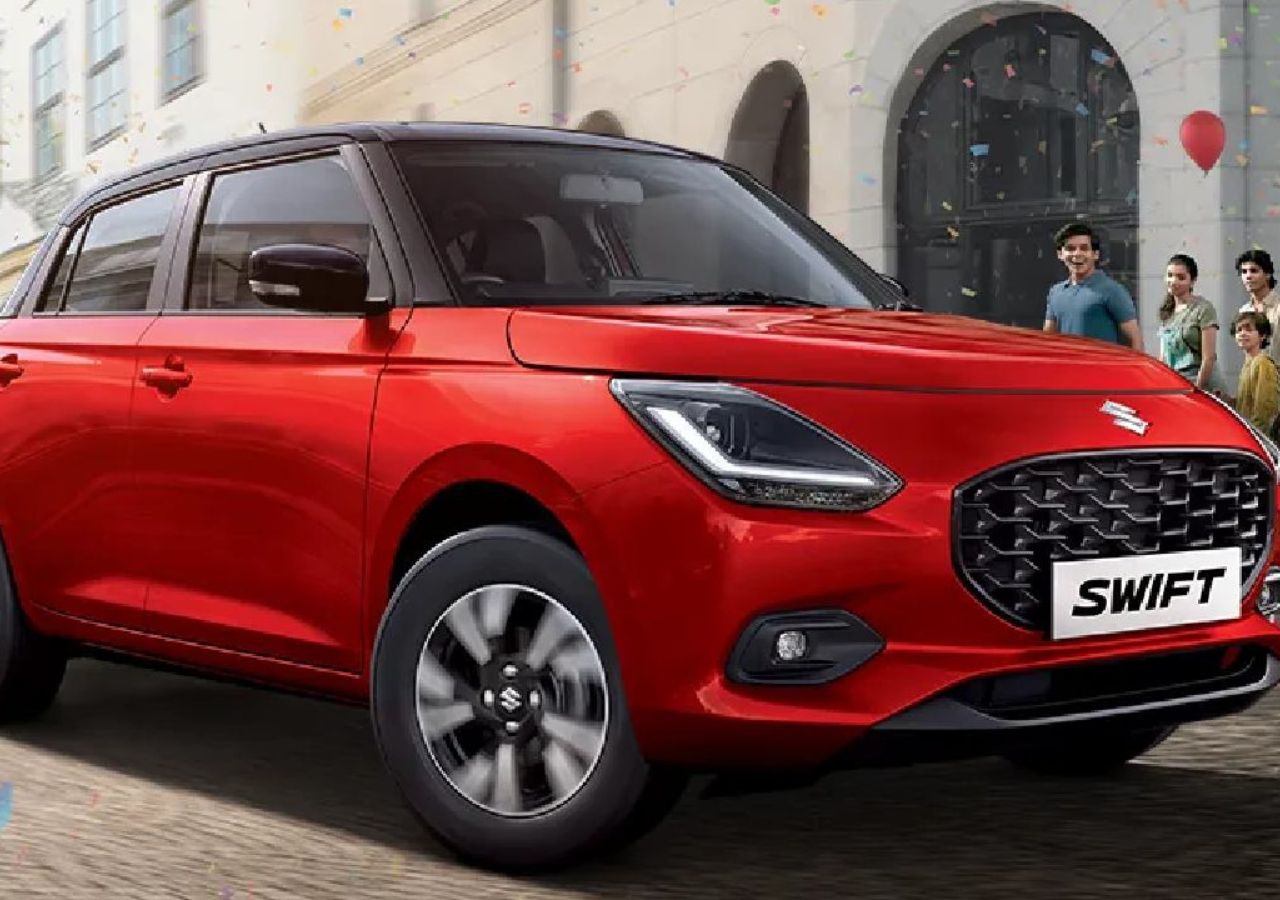
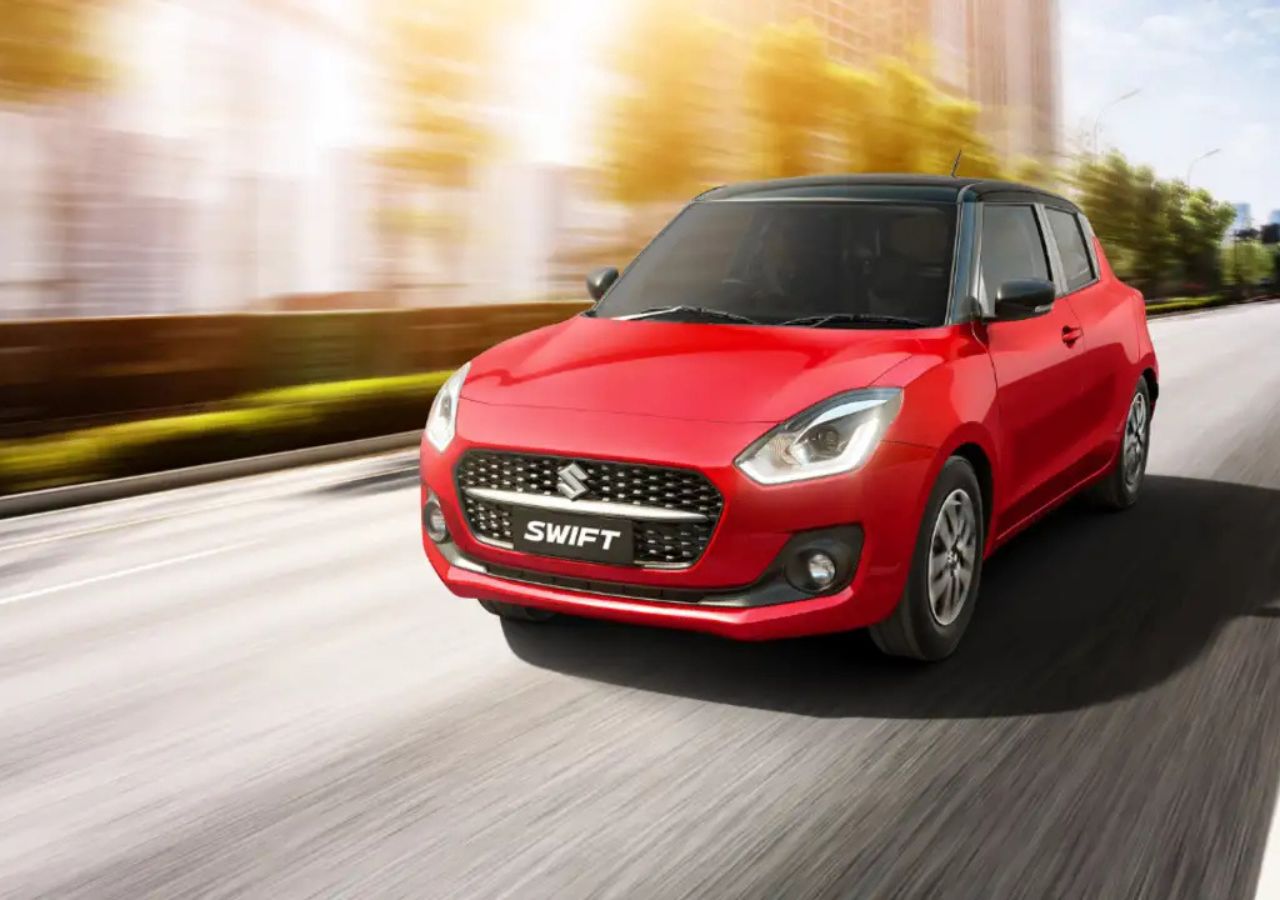
The Maruti Suzuki Swift is an icon of youthful energy. Its latest iteration is even more aggressive and eye-catching with a new front grille, sleeker headlights, and a wider, more athletic stance. The signature floating roof design and sculpted body lines give it a distinctively sporty character. It’s the kind of car that makes you want to get behind the wheel and take on the city.
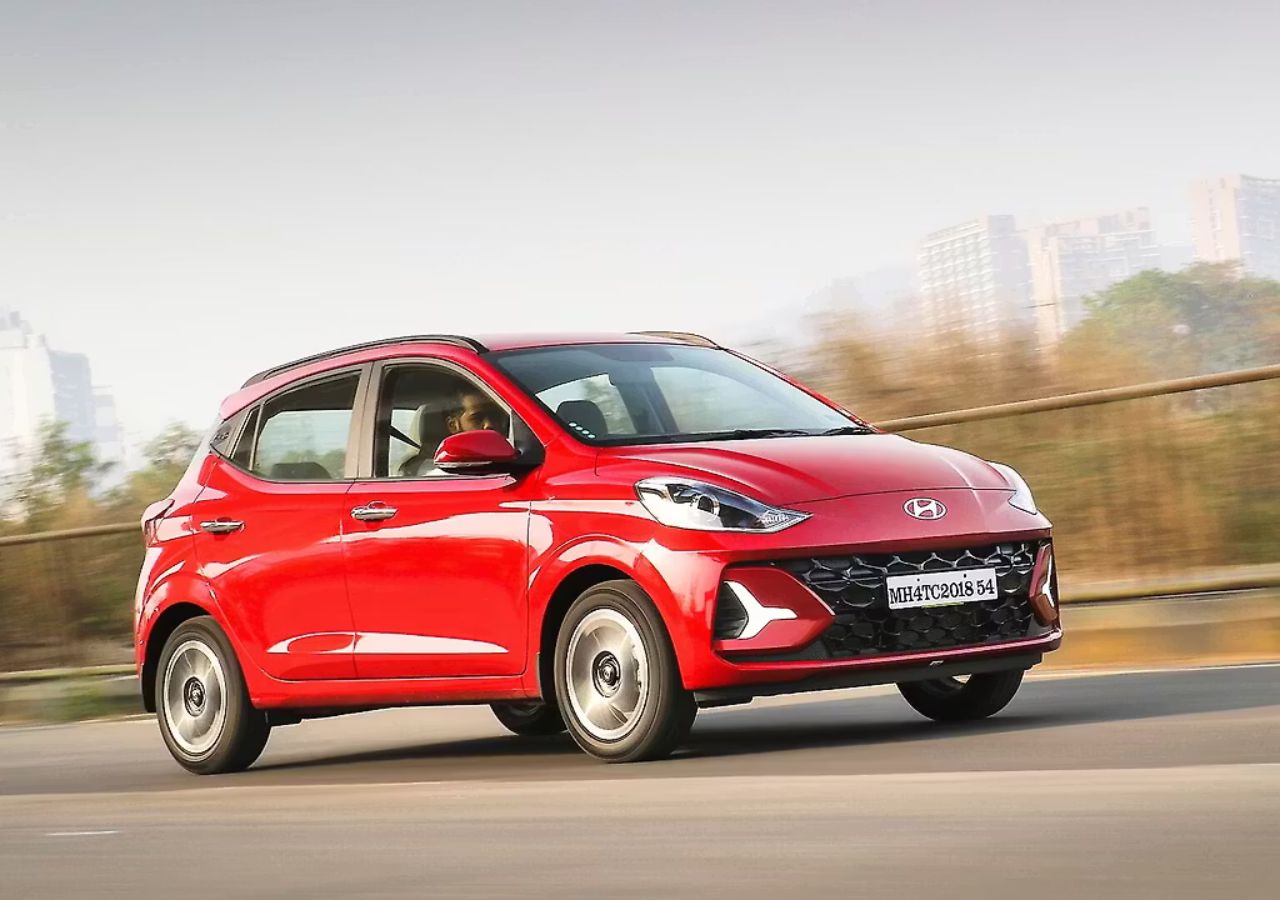
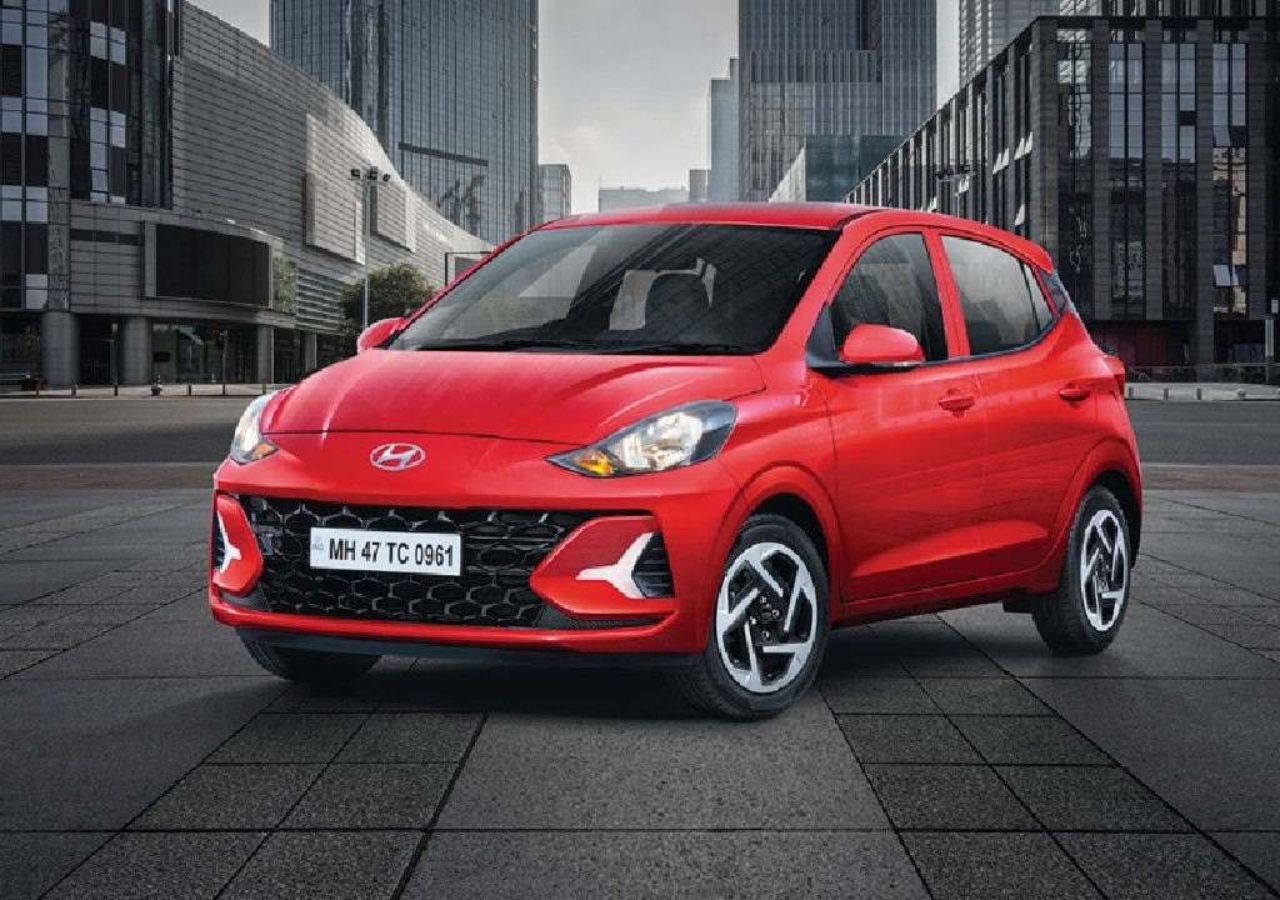
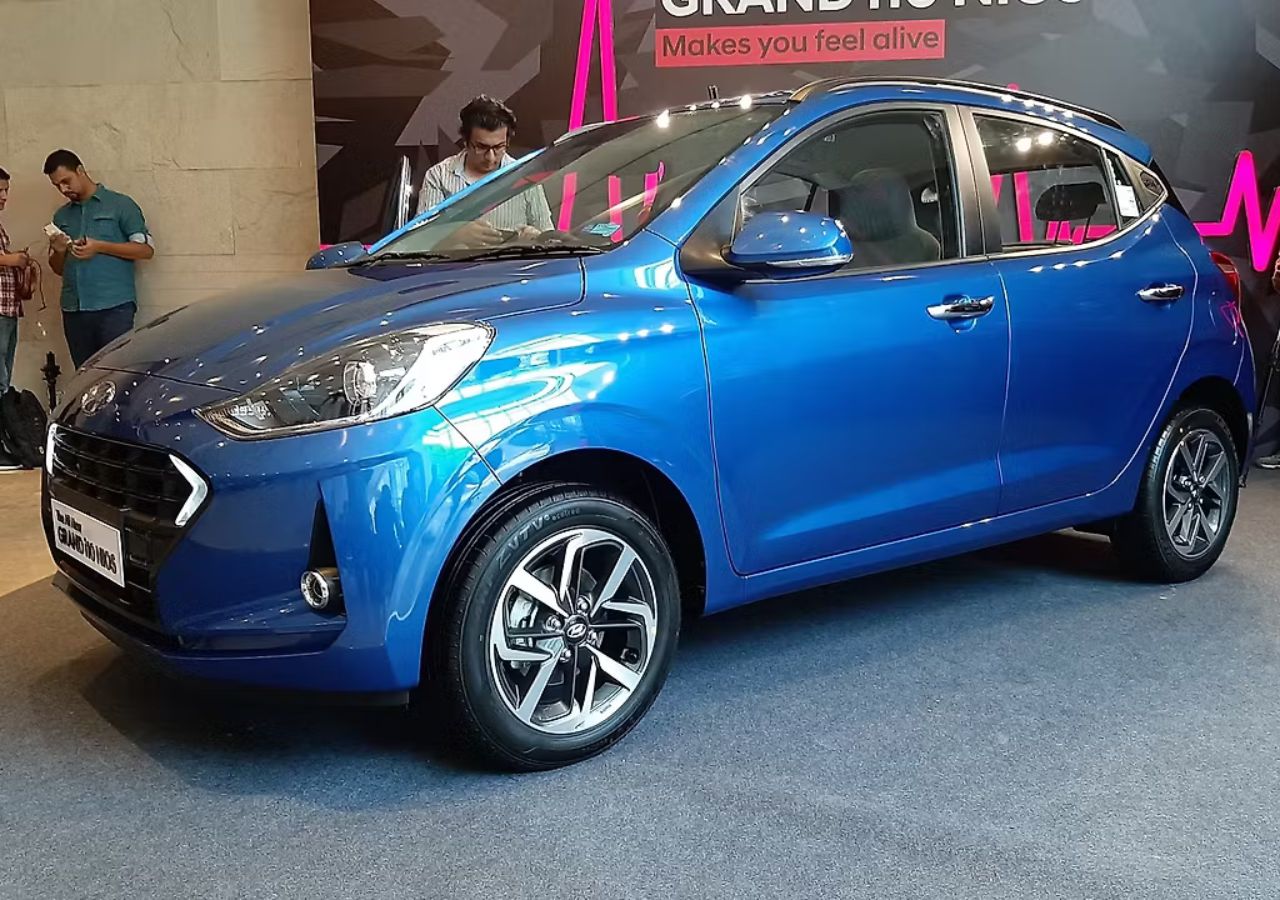
On the other hand, the Hyundai Grand i10 Nios presents a more sophisticated and modern aesthetic. Its design is a bit more refined and mature, with a striking front grille and stylish LED daytime running lights. The Nios has a premium feel that belies its price tag, and its clean, contemporary styling makes it a car that ages gracefully.
Also read :
Kia Sonet : Why the Kia Sonet Is the Urban SUV Everyone’s Talking About
2. Interior: Features and Comfort
This is where the two cars showcase their biggest difference in philosophy.
The Hyundai Grand i10 Nios is a master of comfort and features. Its dual-tone cabin feels airy and spacious, and it’s packed with segment-leading tech. You’ll find features like an 8-inch touchscreen infotainment system, a digital instrument cluster, and incredibly useful rear AC vents—a huge plus for Indian summers. Its focus is on making every journey as comfortable and convenient as possible for all occupants.
The Maruti Suzuki Swift‘s cabin has a sportier, driver-centric feel with an all-black theme. The latest model features a larger 9-inch SmartPlay Pro+ touchscreen and a new, more ergonomic layout. While it might not have the rear AC vents of the Nios, the Swift’s interior is built for the enthusiast who values a clean, functional, and engaging cockpit.
3. Engine and Performance: Efficiency vs. Refinement
Both cars come with a 1.2-liter petrol engine, but they are fundamentally different.
The Swift is powered by a new 1.2-liter, 3-cylinder Z-series engine. This engine is a masterpiece of engineering for one reason: fuel efficiency. It delivers class-leading mileage, making it incredibly light on the pocket. While it might not be as buttery-smooth as a four-cylinder, its peppy nature and quick acceleration make it an absolute delight to drive in city traffic.
The Grand i10 Nios uses a 1.2-liter, 4-cylinder Kappa engine. This engine is renowned for its refinement and silent operation. It provides a smoother and more composed driving experience, especially at higher speeds. While its mileage is slightly lower than the Swift’s, the Nios’s engine is perfect for those who value a calm and linear power delivery for relaxed commutes.
4. Safety and Reliability
Both manufacturers have upped their safety game significantly.
The new Swift now comes with six airbags as standard across all variants, a huge step forward that provides peace of mind. It also includes modern safety tech like Electronic Stability Program (ESP) and Hill Hold Assist.
The Grand i10 Nios also offers six airbags on its higher trims. While its Global NCAP rating is a 2-star, it’s important to note that the crash test was conducted on an older model. The updated version with more standard safety features is expected to perform better. Both cars also come with ABS with EBD and other crucial safety features.
5. Price and Verdict
The Hyundai Grand i10 Nios generally starts at a lower price point, offering excellent value for money with its long list of features. The Maruti Suzuki Swift, while slightly more expensive, justifies its price with superior fuel efficiency and a more engaging driving experience.
Latest News
- Weather Warning Delhi-NCR – Rain Alert & Dust Storm in Next 2-3 Hours, IMD Issues Yellow Alert

- PM Kisan Samman Nidhi Yojana: नहीं मिल रही 2000 रुपये की किस्त तो किसान तुरंत करवा लें यह काम

- Aadhaar Card Update Rules – How Many Times Can You Change Address, DOB & Number?

- Train Ticket: How to book a confirmed train ticket without an agent? Learn the Easy Steps

- Indian Railways– 155 Trains Express Declared High-Speed, Thousands of Railway Staff to Benefit

- Monsoon Alert – Warning Heavy to Very Heavy Rain alert & thunderstorms in 22 States Over Next 4 Days

- America-Iran War: मिडिल ईस्ट में तनाव होगा खत्म! ईरान ने होर्मुज रास्ते पर कही बड़ी बात

- PM Surya Ghar Yojana 2026: Get Up to Rs 78,000 Subsidy within 6 Easy Steps, Know Here

- Cheapest Available 5G Smartphones in India Under 10000

- UPSC Prelims Answer Key 2026 – How to Download UPSC Prelims Answer Key at upsc.gov.in