



Who is behind the budget?
The two EVs compete with each other in terms of price. The Tata Sierra EV can be purchased from ₹18.79 lakh (Pure 63kWh RWD) to ₹25.99 lakh for the top variant.
At the same time, the starting price of Hyundai Creta Electric starts from ₹18.03 lakh (Executive 42 kWh) and the top variant goes up to about ₹24.70 lakh. Both prices are ex-showroom.
If we talk about the base variants, then the Creta Electric is cheaper by ₹76,000. But when you compare the long-range variants (Sierra's 75kWh and Creta's 51.4 kWh battery), the difference is around ₹1.29 lakh. In fact, in Sierra EV, you get more battery capacity at a lower price.
If you are looking for a budget car and want to use more in the city, then the 42 kWh version of the Creta Electric is enough. But if you plan long-distance trips and want more distance in a single charge, the 63 or 75 kWh battery variants of the Sierra EV could be a more sensible choice.
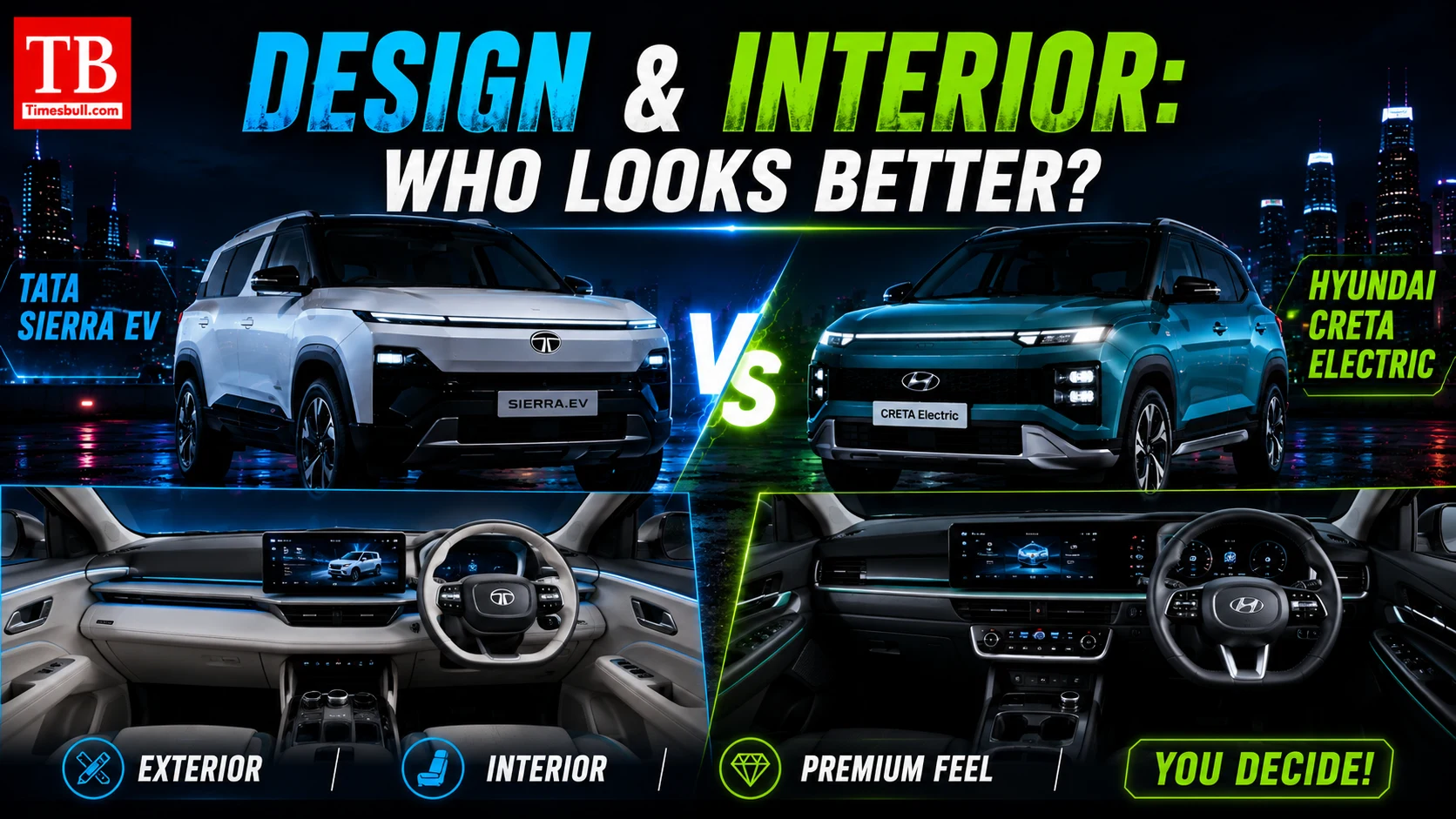
Design and Interior: Who looks better?
The Tata Sierra EV comes with a retro-modern design, which sets it apart from the rest of the EVs. It features elements like an upright bonnet, split LED headlamps, blanked grille, two-tone roof and flush door handles.
It looks as robust and adventurous as the petrol / diesel Sierra Its silhouette is quite bold and unique, which attracts eyes on the road.
At the same time, Hyundai Creta Electric looks more futuristic and sleek with its Morse-code 'H' logo. With the EV-specific closed grille and smooth lines, the Creta has a more mainstream appeal.
While the Sierra EV stands out with its bold and unique styling, the design of the Creta will probably appeal to more people as it looks somewhat similar to the regular Creta.
In terms of cabin, the Sierra EV gets a triple-screen setup (on the dashboard), panoramic sunroof, ventilated seats, JBL 12-speaker Dolby Atmos sound system and premium materials.
The Creta Electric features dual 10.25 -inch screens, panoramic sunroof, ventilated front seats and Bose audio system. Both are special 5-seater, but the Sierra's cabin feels a bit more premium and technology-heavy, while the Creta's interior is refined and user-friendly.
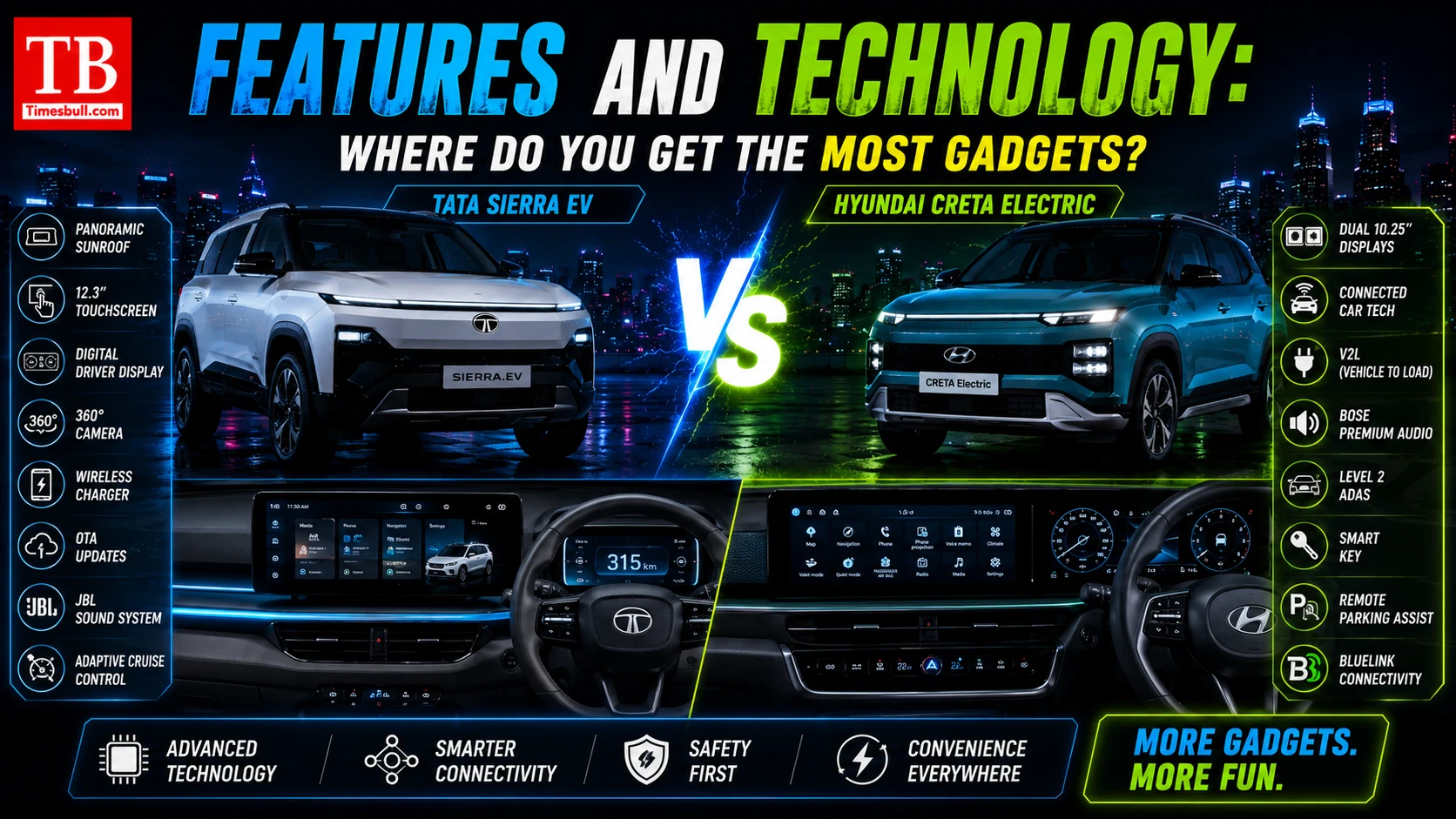
Features and technology: Where do you get the most gadgets?
Both EVs are full of technology. The Tata Sierra EV also comes with some additional features including L2 + ADAS, 360-degree camera, wireless charging, V2L (Vehicle to Load) and connected technology.
Other features include auto park assist, in-car gaming, 540-degree camera, and boost mode. The 540-degree camera means you also get an under-body view with a 360-degree view, which comes in handy when off-roading or on rough roads. Boost mode means you feel the extra power whenever you need it.
The Hyundai Creta also features L2 + ADAS, 360-degree camera, wireless charging, and V2L. It has an EV-specific UI, a voice-controlled sunroof and a good infotainment system. However, features such as the 540-degree camera, in-car gaming, and auto park assist found in the Sierra are missing from the Creta.
If we look at the list of features, the Sierra EV looks a bit ahead of the Creta Electric, especially for tech-savvy users.
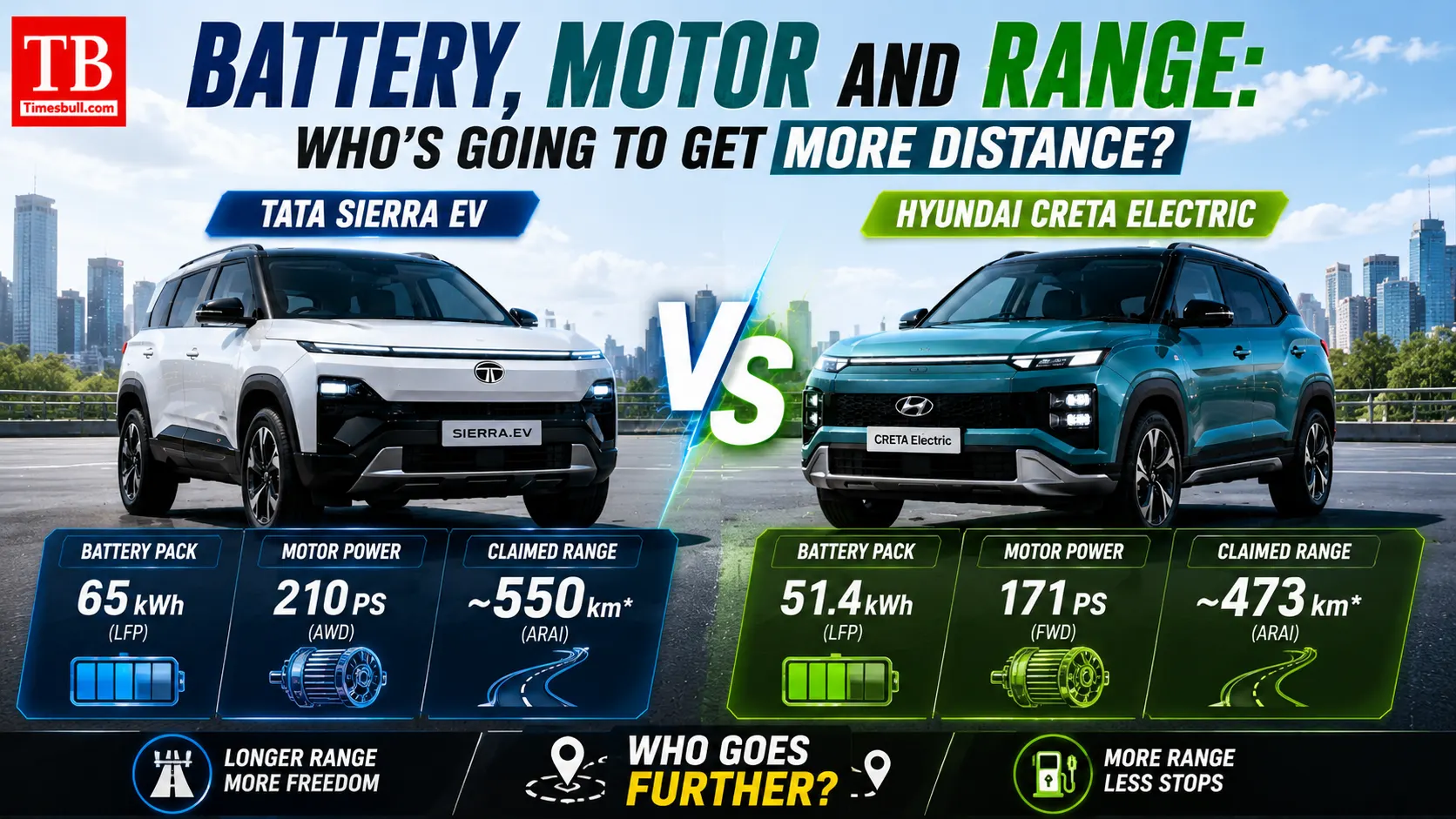
Battery, motor and range: Who's going to get more distance?
Here the Sierra EV leaves the Creta Electric behind. The Tata Sierra EV has 63 kWh (565 km MIDC) or 75 kWh (665 km MIDC, RWD) battery options. It is also available with a RWD (rear wheel drive) motor (235 bhp) and an AWD (all wheel drive) dual-motor setup.
It can accelerate from 0-100 kmph in just 5.8 seconds. That is, it is very fast in terms of performance.
The Hyundai Creta Electric can be purchased with a 42 kWh (420km MIDC) or 51.4 kWh (510km MIDC) battery pack. The Creta Electric also has a power of up to 171 bhp, which is enough for both city and highway.
But the Sierra EV is clearly better in terms of range. The 75kWh variant of the Sierra offers a MIDC claimed range of 665km, which is significantly higher than the Creta's 510km. If you drive long or are worried about the charging infrastructure, the Sierra EV's extra range can be a big relief.
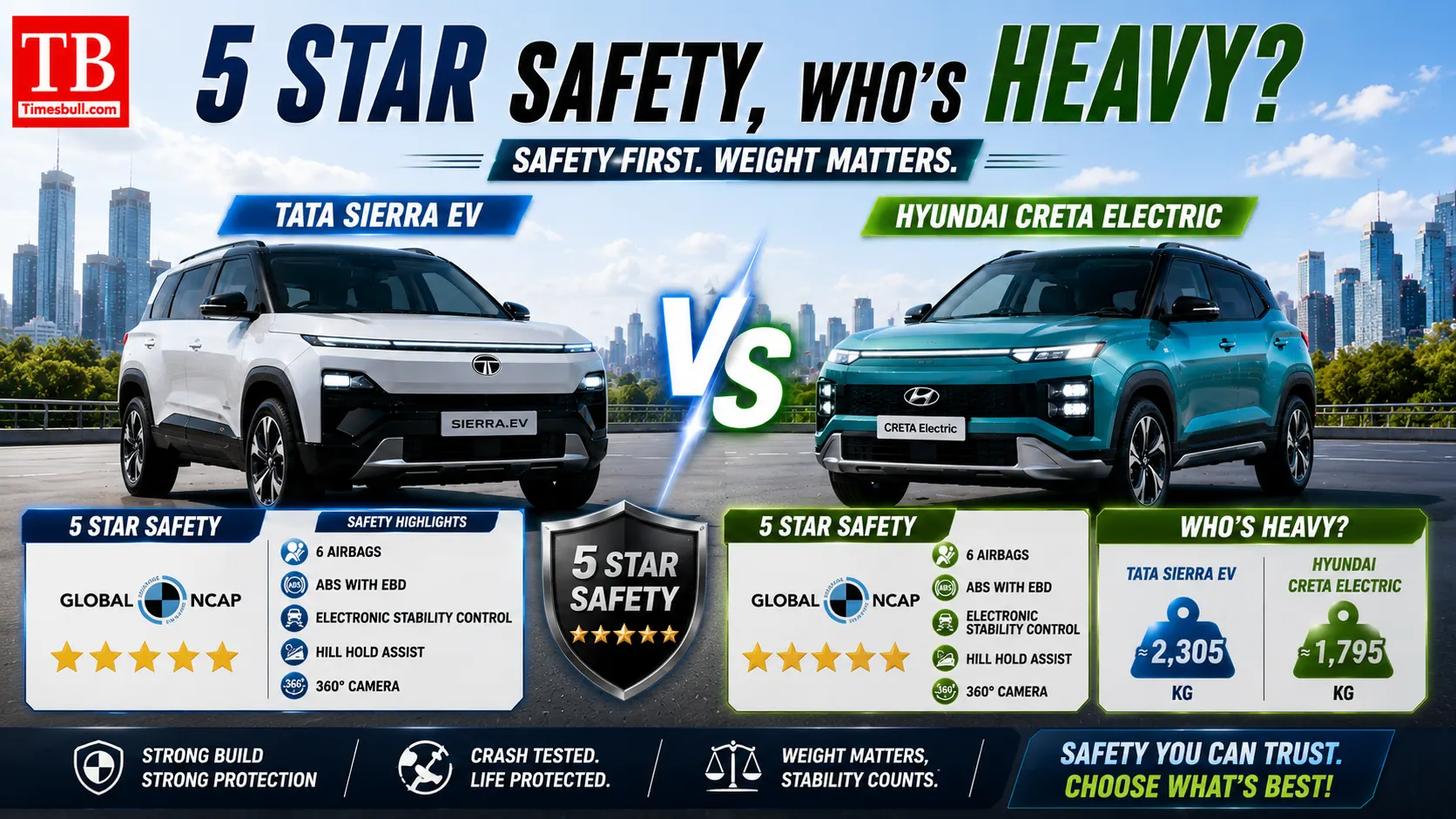
5 Star Safety Who's heavy?
In terms of safety, both cars did not disappoint. The Tata Sierra EV comes with 6 airbags as standard across all variants. Its Acti.ev + platform is extremely robust and equipped with advanced ADAS (Level 2 +) systems.
Tata's EVs have generally proved to be very good in structural safety. The Hyundai Creta Electric is also expected to feature 6 airbags, ESC (Electronic Stability Control) ADAS L2 + and a good safety rating.
Hyundai has already achieved good safety ratings for its cars. However, the Sierra EV's Acti.ev + platform makes it a bit stronger structurally, but the Creta is no less. Both are considered to be the safest cars in the segment.
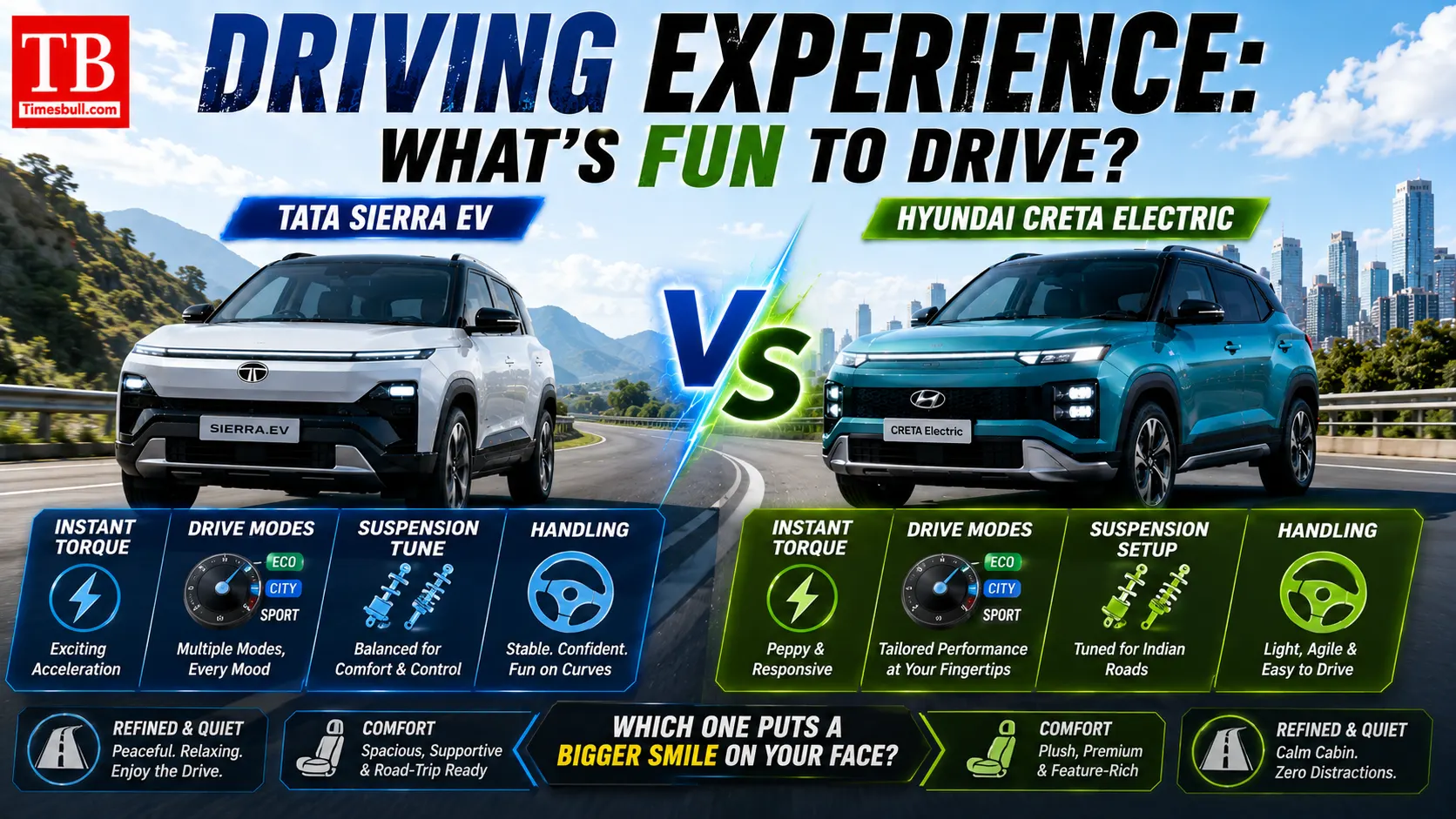
Driving experience: What's fun to drive?
The Tata Sierra EV's driving experience is quite adventurous. Its RWD (rear-wheel drive) setup and 235 bhp power gives it a sporty feel. The 5.8 -second time of 0-100 kmph makes it quite fast.
The AWD variant is even more powerful. If you like faster speeds and better performance, the Sierra EV won't disappoint. Its ride quality is also good and it is equally capable of off-roading.
The drive of the Hyundai Creta Electric is refined and smooth. Hyundai has always been known for the ride quality and handling of its cars. The driving experience of the Creta Electric is very predictable and comfortable.
It gives a quiet and comfortable ride on the city streets. If you want more comfort than speed, the Creta Electric is the best, but if you like adrenaline, the Sierra EV has no answer.
The decision: Who's buying and why?
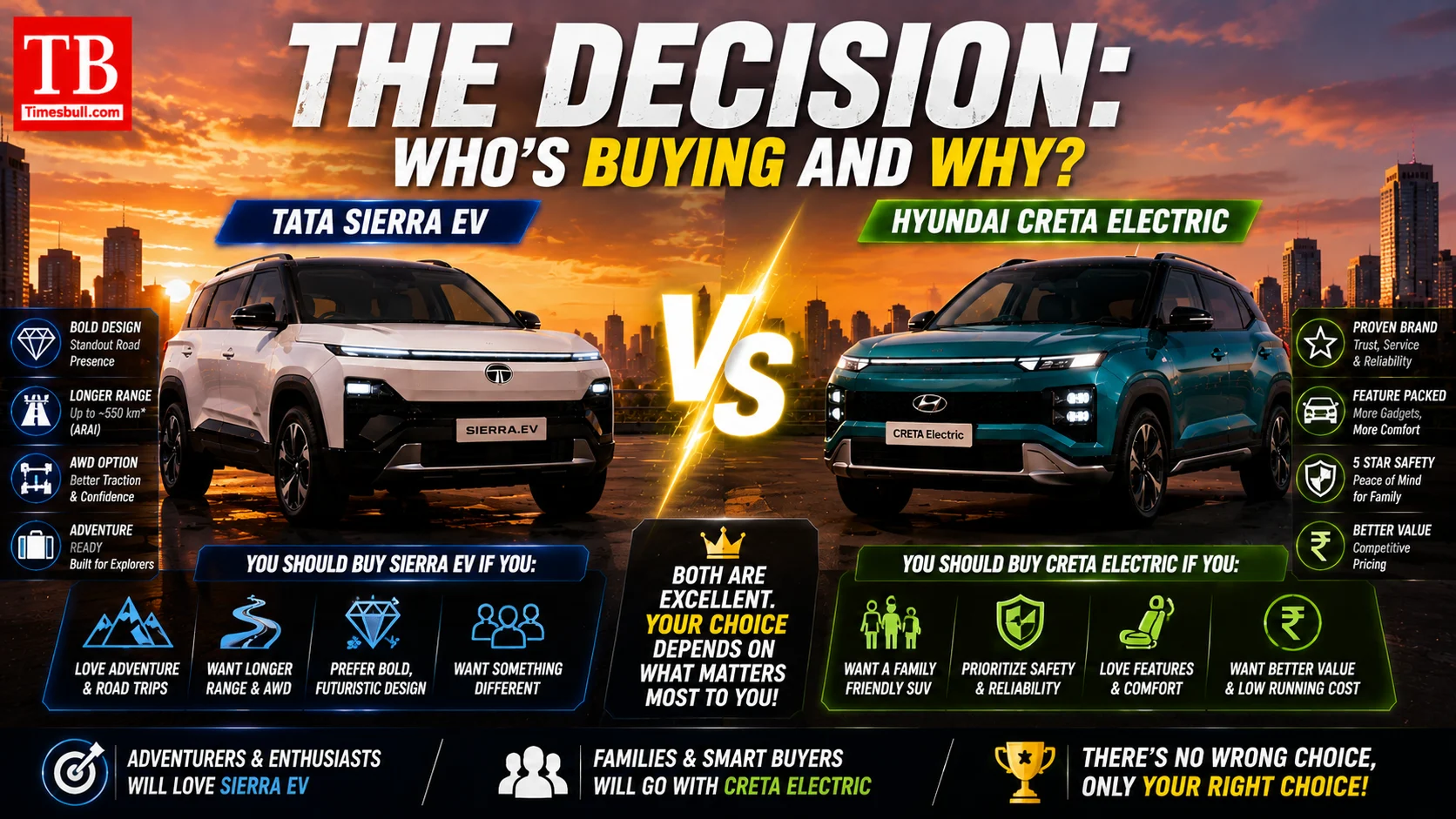
Now you have a complete picture of both cars in front of you. The Tata Sierra EV and the Hyundai Creta Electric - both are great in their own way. If you want more range, the Sierra EV (665km MIDC) is better than the Creta Electric (510km MIDC).
If you want performance, the Sierra EV's power of 235bhp and 0-100 kmph time of 5.8 seconds is well ahead of the Creta's 171bhp. If you like cutting-edge technology, the Sierra EV has features like a 540-degree camera, in-car gaming, and auto park assist. However, if brand value, refined driving and resale value matter more to you, then the Hyundai Creta Electric is the better choice.
Conclusion
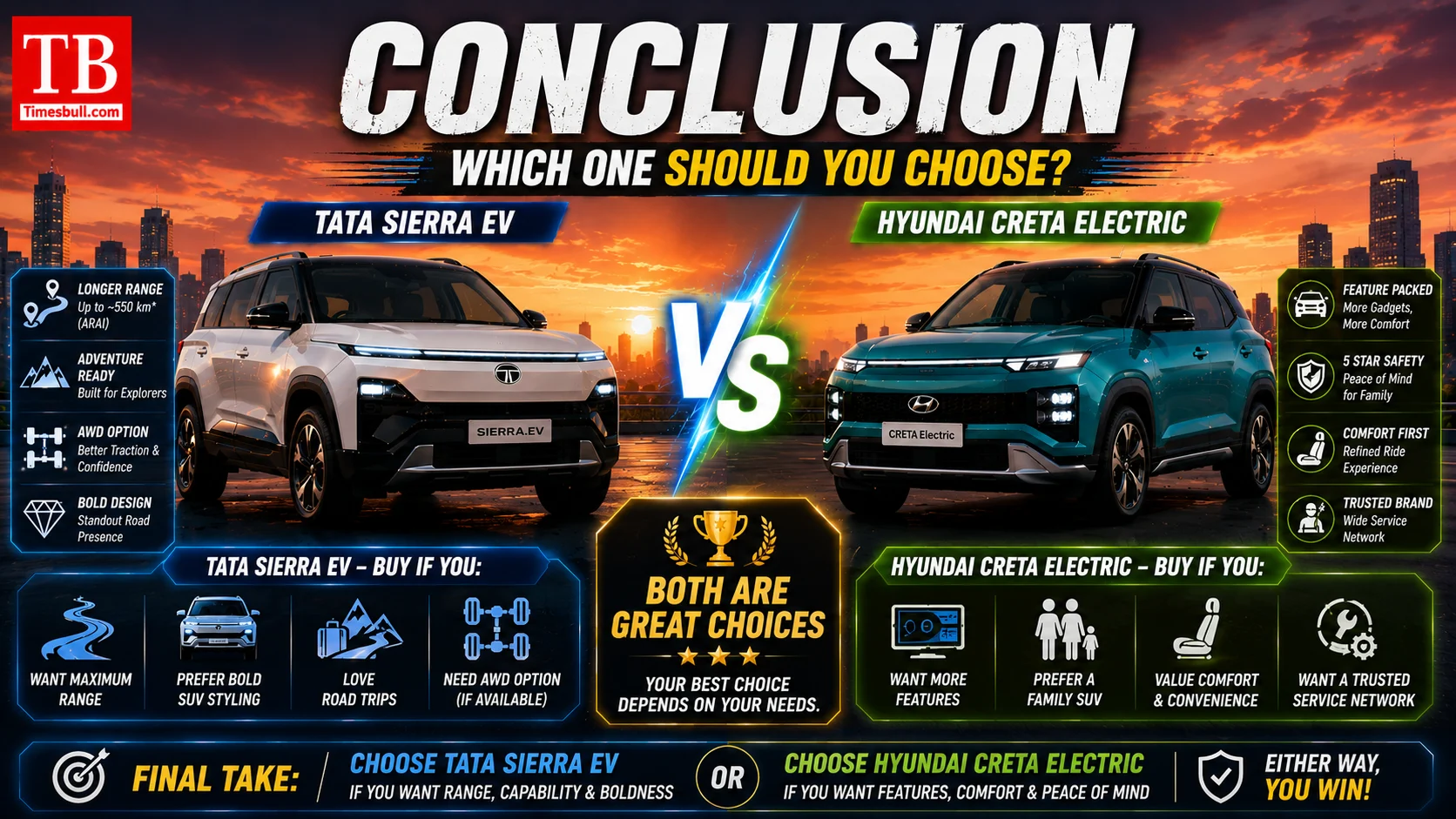
The Hyundai Creta electric rivals the likes of the Tata Tiago and the Tata Sierra EV. The Sierra EV is ahead in range, power and technology, while the Creta Electric is a strong contender with its brand value, refined drive and affordable entry-level price. In fact, both EVs will play an important role in furthering India's electric mobility transition.
If you want an EV that can travel long distances, is fast, is future-ready and has cutting-edge technology, then the Tata Sierra EV is for you.
But if you want a refined EV from a trusted brand, which is good enough for everyday use and has a good resale value, then choose the Hyundai Creta Electric. Both cars have their own space and both will give you a great electric driving experience. Stay tuned to timesbull.com for the latest automobile industry news, new car reviews and detailed comparisons.