
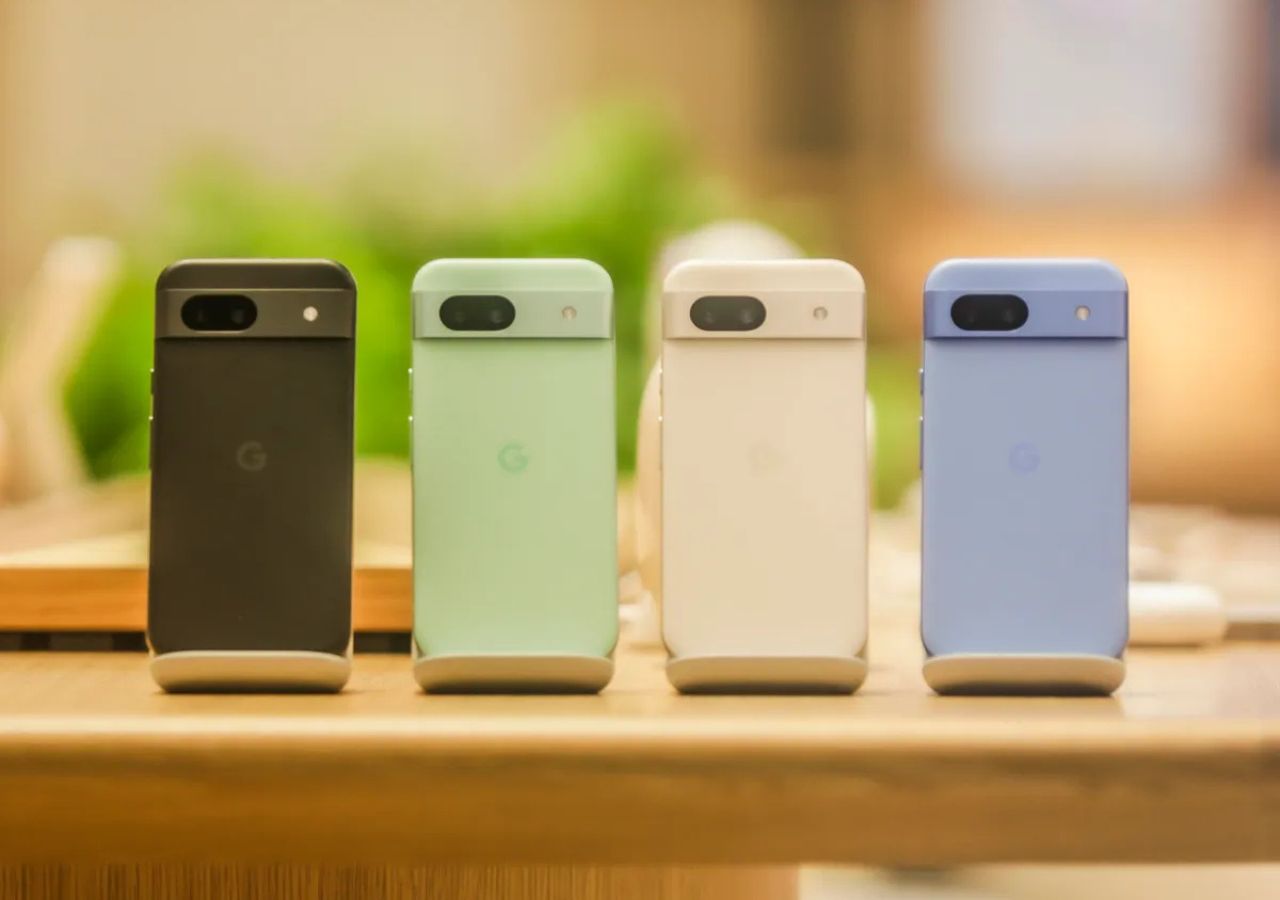
Google Pixel 8a 5G : In an era where smartphone prices continue climbing relentlessly, the Google Pixel 8a 5G emerges as a refreshing anomaly—a device that delivers flagship-level intelligence and camera performance at a decidedly mid-range price. Priced at just $499, this latest addition to Google’s A-series doesn’t just compete with other budget phones; it challenges the very notion of what affordable smartphones should offer. With the same powerful Tensor G3 processor found in Google’s premium models, seven years of software updates, and AI capabilities that were exclusive to $1,000 devices just a year ago, the Pixel 8a represents perhaps the most compelling value proposition in the Android ecosystem. But does this affordable Pixel deliver where it matters most, or does it cut too many corners? After extensive testing, we uncover the truth behind Google’s budget powerhouse.
Design and Build Quality: Premium Feel Without the Premium Price
The Google Pixel 8a represents a significant evolution in the A-series design language, shedding the utilitarian feel of previous models for a surprisingly premium aesthetic. The device features a beautifully crafted matte composite back (Google’s term for its high-quality plastic) that feels remarkably similar to the frosted glass on more expensive Pixels. This finish not only provides an excellent grip but also effectively resists fingerprints and smudges—a common annoyance with glossy-backed phones 15.
The satin aluminum frame complements the back material perfectly, creating a cohesive look that belies the phone’s affordable price point. With dimensions of 152.1 x 72.7 x 8.9mm and a weight of 188 grams, the Pixel 8a strikes an ideal balance between substantial feel and comfortable one-handed use. The generously rounded corners make extended holding sessions noticeably more comfortable than with sharp-edged competitors 15.
Google maintains the iconic camera bar design that has become synonymous with the Pixel series, though it doesn’t extend as dramatically from the body as on the Pixel 8 Pro. The device comes in four appealing color options: Obsidian (black), Porcelain (off-white), Bay (blue), and Aloe (green), offering more personality than most phones in this price range 15.
Despite these premium touches, Google has made some understandable compromises to hit the $499 price point. The front glass is Gorilla Glass 3 rather than the newer Gorilla Glass Victus found on flagships, and the device carries an IP67 rating rather than the IP68 certification of more expensive Pixels. In practice, this still provides solid protection against accidental spills and rain, though deliberate submersion should be avoided 315.
Display Performance: Bright and Smooth with One Notable Drawback
The Pixel 8a features a 6.1-inch Actua Display (Google’s branding for its OLED panels) with a resolution of 2400×1080 pixels (430 PPI). This OLED panel delivers the deep blacks, vibrant colors, and excellent contrast ratios expected from modern smartphone displays, making it perfect for media consumption, gaming, and everyday use 15.
One of the most significant upgrades over previous A-series models is the 120Hz refresh rate, which makes every interaction—from scrolling through social feeds to navigating menus—feel remarkably smooth and fluid. Unlike the more expensive Pixel 8 and 8 Pro, the 8a’s display doesn’t feature LTPO technology, meaning it can’t dynamically scale down to 1Hz to save power when displaying static content. Instead, it switches between 60Hz and 120Hz depending on the content being displayed 15.
Where the Pixel 8a’s display truly impresses is in its brightness capabilities. The panel can reach up to 1,400 nits for HDR content and an impressive 2,000 nits at peak brightness—making it easily visible even in direct sunlight. This represents a substantial improvement over previous generations and even matches the brightness of some flagship devices 15.
However, there’s one significant drawback that might affect a subset of users: PWM (Pulse Width Modulation) flickering. The display uses a 240Hz PWM rate at all brightness levels, which is relatively low compared to many competitors. For most people, this won’t be noticeable, but those sensitive to screen flickering may experience eye strain or headaches during extended use. Unfortunately, Google doesn’t offer a flicker-reduction mode like some other manufacturers 15.
The display also exhibits some color shifting when viewed from extreme angles, particularly with light backgrounds. This isn’t unusual for OLED panels in this price range, but it’s more noticeable than on more expensive Pixels. The bezels are slightly thicker than on flagship devices, but this becomes less noticeable with regular use 10.
Camera System: Computational Photography Magic
The Pixel 8a continues Google’s tradition of delivering exceptional camera performance that punches well above its price point. While the hardware specifications might appear similar to previous generations on paper, the combination of upgraded sensors and Google’s industry-leading computational photography creates a imaging experience that rivals devices costing twice as much
Latest News
- PM Kisan Samman Nidhi Yojana: नहीं मिल रही 2000 रुपये की किस्त तो किसान तुरंत करवा लें यह काम

- Aadhaar Card Update Rules – How Many Times Can You Change Address, DOB & Number?

- Train Ticket: How to book a confirmed train ticket without an agent? Learn the Easy Steps

- Indian Railways– 155 Trains Express Declared High-Speed, Thousands of Railway Staff to Benefit

- Monsoon Alert – Warning Heavy to Very Heavy Rain alert & thunderstorms in 22 States Over Next 4 Days

- America-Iran War: मिडिल ईस्ट में तनाव होगा खत्म! ईरान ने होर्मुज रास्ते पर कही बड़ी बात

- PM Surya Ghar Yojana 2026: Get Up to Rs 78,000 Subsidy within 6 Easy Steps, Know Here

- Cheapest Available 5G Smartphones in India Under 10000

- UPSC Prelims Answer Key 2026 – How to Download UPSC Prelims Answer Key at upsc.gov.in

- 8th Pay Commission: एनपीएस और पुरानी पेंशन में कौन सी बेहतर, जानिए बड़ा अपडेट