


Liqour Price: Big news for drink lovers. The upcoming Free Trade Agreement (FTA) between India and the UK is scheduled to be enforced on July 15th. A significant advantage of this deal is likely to be seen by consumers who buy imported Scotch whisky and gin. As part of this agreement, the current 150% import duty on Scotch whisky and gin will be initially decreased to 75%, eventually reaching 40% over the next decade. Nevertheless, it’s important to note that this reduction in import duty may not directly translate to a 50% or more drop in alcohol prices. Let’s delve deeper into this matter.
Analysts point out that the ultimate cost of any alcoholic beverage is not solely determined by the import duty. There are various other factors contributing to the final price, such as state government excise taxes, Value Added Tax (VAT), distributor and retailer markups, transportation, packaging, and marketing expenses. Consequently, consumers may witness an initial price decrease of approximately 5% to 10%, potentially saving up to Rs 100 per bottle.

Will prices decrease uniformly in every state?
The reduction in prices will vary from state to state. In high-tax states like Maharashtra, the cost of Scotch may only see a marginal decline of about 5%. Conversely, in states with lower taxes like Haryana, the reduction could be as high as 15%. Meanwhile, in states such as Telangana and Andhra Pradesh, where alcohol sales are regulated by government bodies, it may take longer for the price reductions to reach consumers.
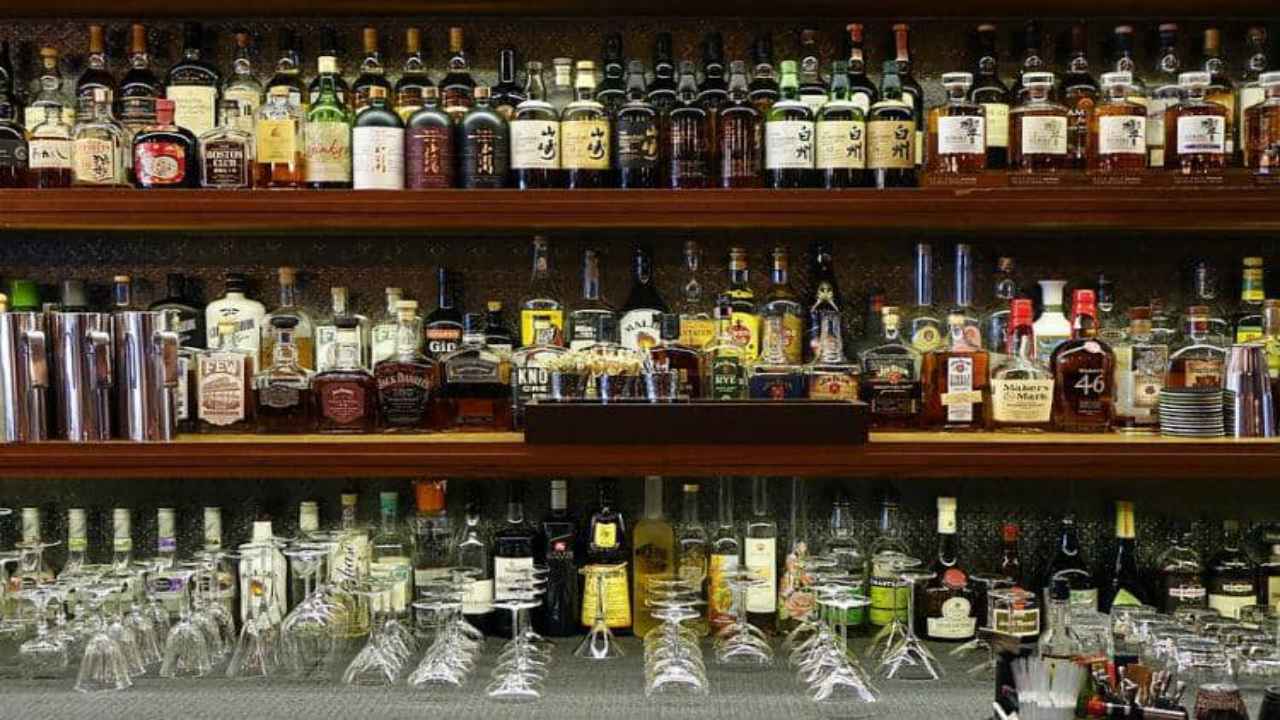
This agreement is expected to particularly benefit those Scotch whisky brands that are entirely produced in Scotland and directly imported to India (Bottled-in-Origin). For instance, popular bottles like Johnnie Walker Black Label and Chivas Regal 12 Years, currently priced around Rs 3,888, could become cheaper by 5-10%, making them available for purchase between Rs 3,499 and Rs 3,694. Similarly, premium Scotch brands like Ballantine’s Finest, Monkey Shoulder, and Lagavulin 16 Years are also likely to witness significant price drops.
Nonetheless, consumers may have to exercise patience before witnessing reduced Scotch prices. Industry experts suggest that it could take anywhere between six months to a year post-FTA implementation for the price reductions to fully materialize. This is due to importers needing time to clear existing stock, adjust Maximum Retail Prices (MRPs) based on the new rates, and secure approvals from state authorities.
In addition to price cuts, this agreement is anticipated to encourage the entry of new Scotch brands into the Indian market. This expansion is expected to offer consumers a wider range of choices and is predicted to drive growth in the premium spirits sector. The India-UK FTA is viewed as a significant game-changer for both the spirits industry and consumers alike.