
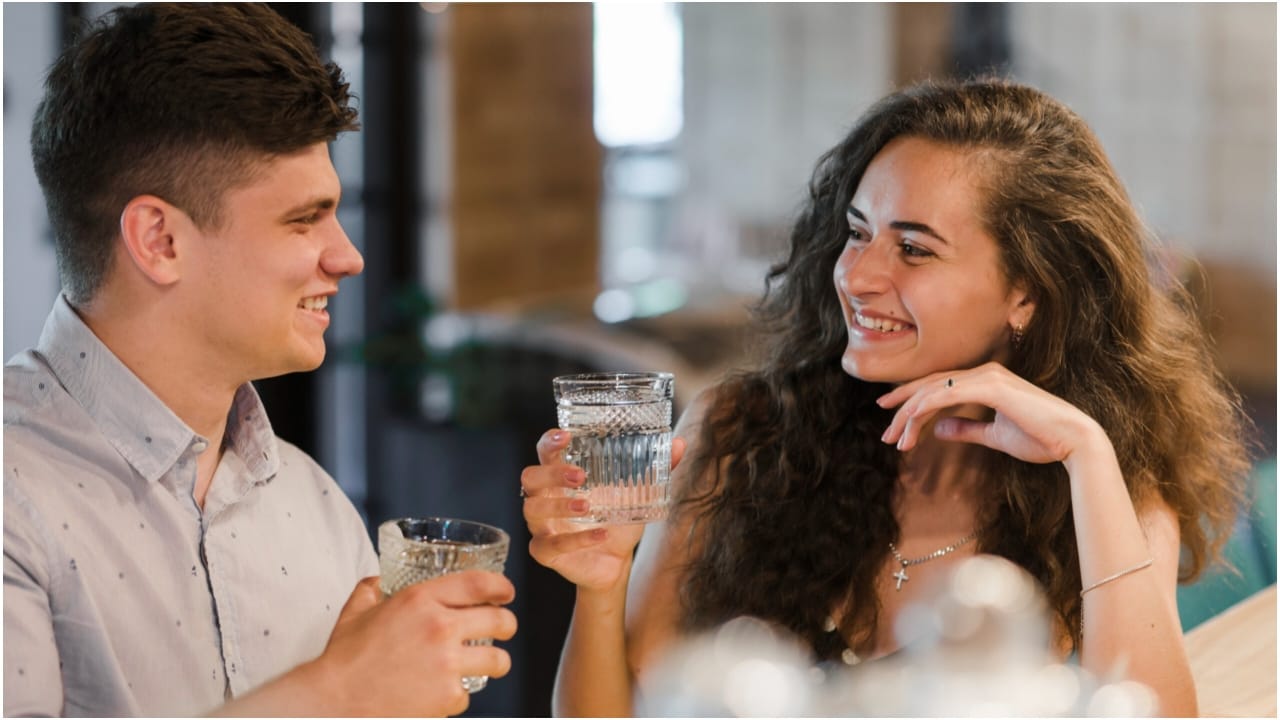
Water Intake Guidelines – Water is essential to everyone, and staying hydrated is one of the most important ways to maintain good health. When the body lacks sufficient fluids, dehydration leads to headaches, tiredness, and frequent illnesses. Most people grow up hearing that everyone should drink at least eight glasses of water a day—around three litres. But is the required amount the same for men and women, or does it differ?
Since male and female bodies are structurally different, this question naturally comes up. Here’s what experts say about whether hydration needs vary between the two.
How Much Water Should You Actually Drink?
The first thing to understand is that there is no strict rule that men and women must drink different amounts of water. Hydration depends on your weight, level of physical activity, climate and overall health. These factors differ from person to person, so fluid needs also vary individually.
However, general medical guidelines suggest that men may require 3 to 3.7 litres of water per day, while women may need 2.5 to 2.7 litres. These numbers are broad recommendations, not rigid standards. Your personal hydration requirements may be slightly higher or lower depending on your lifestyle.
When Should You Drink Water?
Many people drink water only when they feel very thirsty, but doctors say thirst is a late sign of dehydration. By the time your body signals an intense thirst, you’re already low on fluids. Instead of drinking a large amount at once, it’s better to sip water throughout the day.
- A simple way to check your hydration is by observing your urine colour.
- Light yellow indicates healthy hydration.
- Dark yellow or amber suggests that your body needs more water.
Can Drinking Too Much Water Be Harmful?
Like everything else, water is beneficial only when consumed in the right amount. Excessive water intake can also be harmful. Drinking far more than your body needs may dilute sodium levels in the blood, leading to a dangerous condition often referred to as water intoxication.
Moderation is key — drink enough to stay hydrated, but don’t force yourself to consume more than necessary.
Latest News
- Cheapest Available 5G Smartphones in India Under 10000

- UPSC Prelims Answer Key 2026 – How to Download UPSC Prelims Answer Key at upsc.gov.in

- 8th Pay Commission: एनपीएस और पुरानी पेंशन में कौन सी बेहतर, जानिए बड़ा अपडेट

- Xiaomi 17T Launching With Leica 5x Zoom and Huge 6,500mAh Battery Under ₹60,000

- NEET UG 2026 – Haryana & Bihar Announce Free Bus Service for Candidates on June 20-21

- PM Kisan 23rd Installment: Farmers to get Rs 2000 in June? Know Here

- Best Premium Smartwatches Under ₹10,000: Upgrade to Luxury Metallic Builds, AMOLED Screens, and In-Built GPS

- Maruti Dzire CNG Continues Dominance – Fuel Efficient Sedan Wins Indian Families

- Vivo Y600 Turbo Set to Debut: Featuring a 165Hz Display, Dimensity 8500, and a Massive 9,020mAh Battery

- HMD Vibe 2 5G Debuts in India with 6000mAh Battery & 50MP Camera: Get It For Just ₹9,499 With Launch Offers