

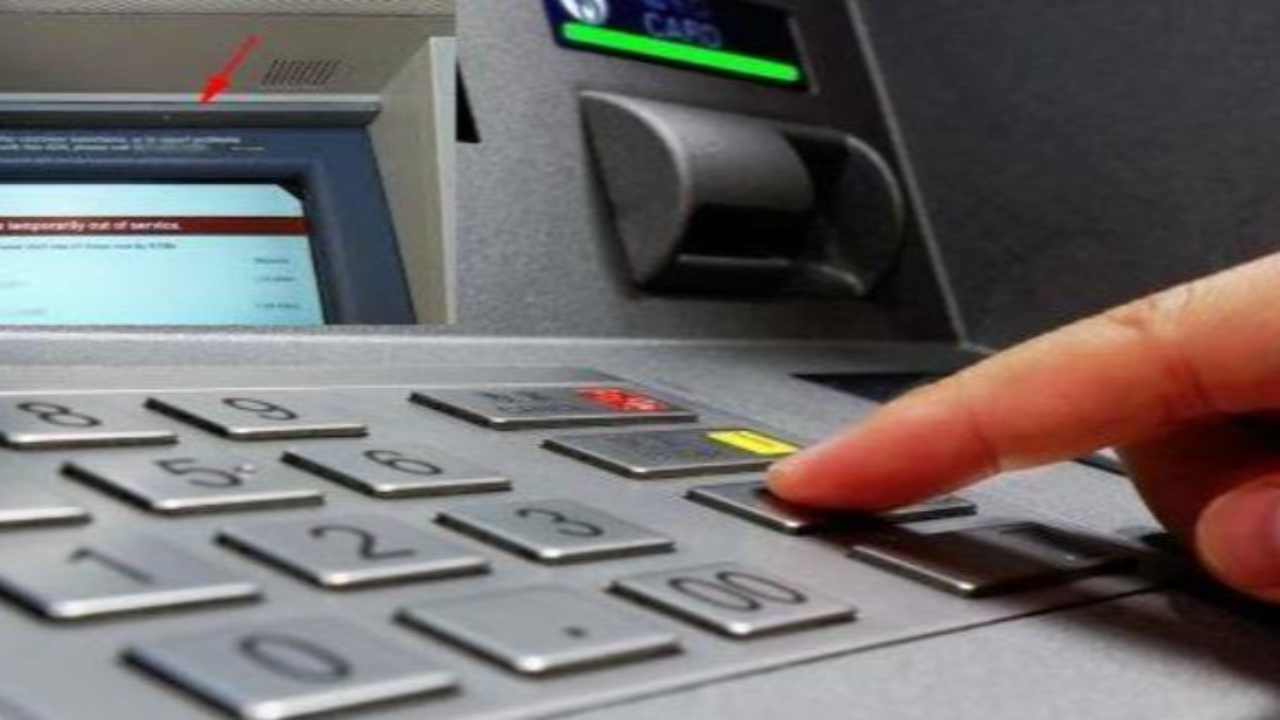
ATM Rule: Have you ever found yourself with a new 500 rupee note in your pocket,yet you can’t buy tea,hire an autorickshaw,or purchase vegetables because the person ahead of you lacks change? While carrying large notes is convenient,they can pose a challenge for small daily expenses. To address this,ATMs will soon be introduced that enable the exchange of large notes for smaller denominations.
The central government is working on a new tech solution to enhance the availability of loose change or low-value notes. They are considering the installation of hybrid ATMs that will allow users to withdraw small notes of 10,20,and 50 rupees. These ATMs will not only facilitate cash withdrawals but also enable the exchange of larger notes for smaller ones.
Pilot project launched in Mumbai
This initiative has kicked off in Mumbai. As per media reports,these ATMs are being set up in high cash usage areas,such as markets,railway stations,bus stands,hospitals,and government offices.
Despite the rapid growth of digital payments in the country,millions still depend on cash transactions. Daily wage workers,small shop owners,auto drivers,and regular commuters continue to rely on 10 and 20 rupee notes. Consequently,a shortage of change directly affects their income and work.
RBI’s significant involvement
The Reserve Bank of India will play a crucial role in this initiative. The RBI is contemplating increasing the production of smaller notes to ensure that these hybrid ATMs remain stocked with cash. The government’s aim is not to eliminate cash but to enhance its accessibility for the public.
There are also some challenges to consider
This plan does raise some concerns. Will banks be able to manage the costs and security associated with these ATMs? Will merely installing ATMs fully resolve the issue of small notes? While UPI and digital payments have gained traction,this initiative could provide relief for those whose daily lives still depend on cash.