India Retail Inflation October – People battling rising prices finally have some good news. The government on Wednesday released the retail inflation data for October, and the numbers show a dramatic cooling.
According to official data, India’s retail inflation fell to 0.25% in October, down from 1.44% in September, marking one of the sharpest month-on-month declines in recent times. A significant reason for this fall is the nationwide GST rate cuts, which have eased price pressures across essential categories.
GST Rate Cuts Play a Major Role in Cooling Inflation
Data released by the National Statistical Office (NSO) reveals that the recent GST reductions have played a crucial role in bringing inflation under control.
Last month, the government slashed GST rates, bringing nearly 99% of daily-use products under the 5% tax slab. This included items ranging from dairy products to personal care essentials, all experiencing visible price declines across markets.
The broader impact of these tax cuts was reflected in inflation data, indicating Weather Alert – 7-Day Heavy Rain, Thunderstorms & Strong Winds Forecast for 15 States positive effects for consumers.
Food Inflation Turns Negative for the Month
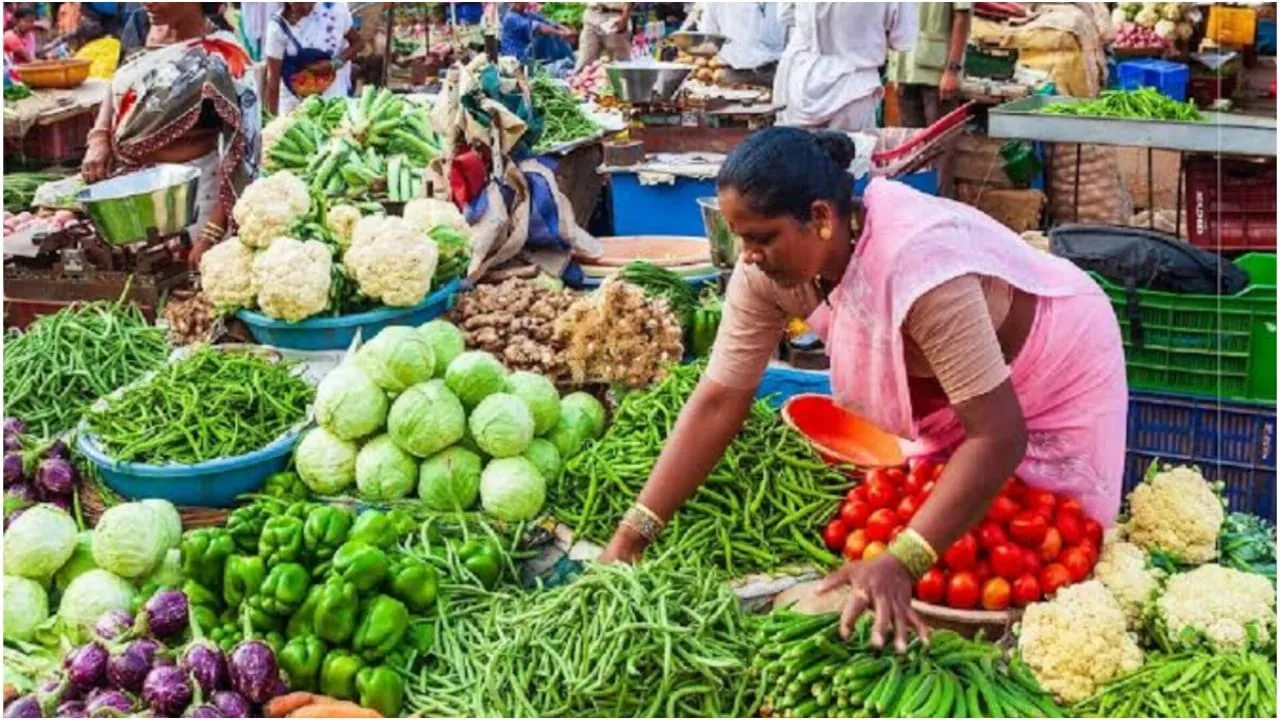
Food prices saw a significant correction in October. The food inflation rate slipped into the negative zone at -5.02%, helping to lower the overall retail inflation significantly.
- Rural food inflation: -4.85%
- Urban food inflation: -5.18%
This means that households in both cities and villages received relief from rising food prices. Vegetables experienced the most significant decline, with prices falling by 27.57% in October, providing substantial relief to consumers.
Inflation Falls Below RBI’s Comfort Zone for the Fourth Straight Month
Surprisingly, during the same month last year (October 2024), retail inflation stood at 6.21% — much higher than the current level.
This is also the fourth consecutive month that India’s inflation has remained below the Reserve Bank of India’s target range of 4%. This consistent decline signals stable market conditions and a broad-based easing of price pressures across sectors.
Global Pressure and Who is Sapna Choudhary Husband Veer Sahu?, Know Love Story, Secret Marriage & Domestic Violence Case Relief Measures Drive the Drop
The government clarified that the GST cuts were implemented partly to shield Indian consumers from rising global pressure, especially after the United States imposed tariffs on certain imports from India.
The decision led to strong domestic demand and pronounced price corrections throughout October.
As vegetables became cheaper and GST cuts reduced household expenses, inflation eased to one of its lowest levels in recent years.
Conclusion
India’s sharp dip in retail inflation to 0.25% brings long-awaited relief for millions of households. Strategic GST cuts, improved supply conditions, and falling food prices have collectively reduced inflation, offering much-needed respite during periods of economic uncertainty.