
Vivo X300 FE vs Vivo X300 Pro: Can the New Compact Fan Edition Really Compete With the Ultra-Premium Pro?
Vivo X300 FE vs Vivo X300 Pro: The Vivo X300 FE along with the Vivo X300 Pro kind of rewrite the whole flagship rulebook, splitting the lineup between a flat screen, one handed Snapdragon sidekick and this uncompromised 200MP camera powerhouse.

 Join Us
 Add as a preferred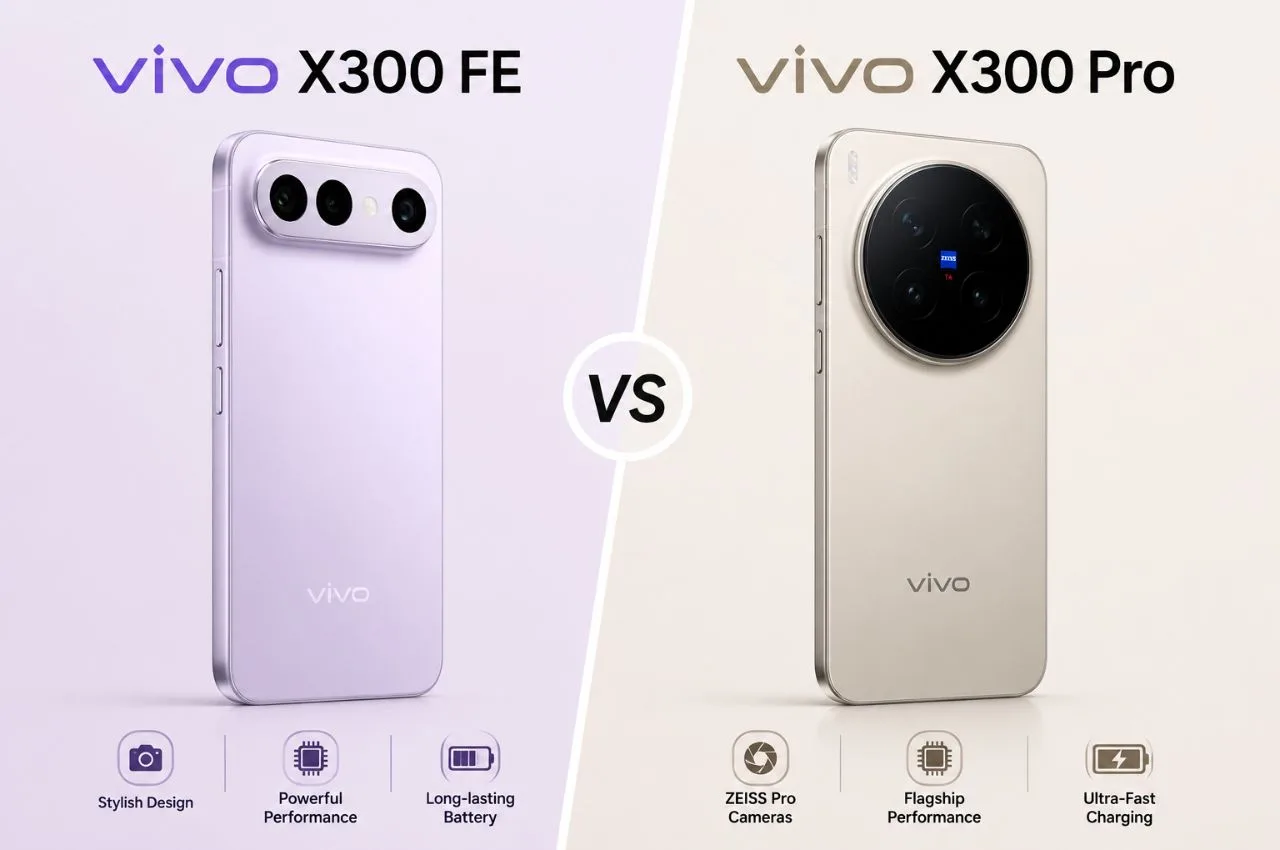
Vivo X300 Fe Vs Vivo X300 Pro
Vivo’s high-end smartphone lineup now has this kinda new premium dynamic that seems to suit totally opposite user mindsets, almost like they’re going for the same people but in different moods. Like, on one side you’ve got the newly launched Vivo X300 FE (Fan Edition), which is more about one-handed ease, a flat chassis, and a sort of sensible flagship value priced at Rs 79,999. On the flip side, there’s the heavy-duty Vivo X300 Pro that pretty much bulldozes past the Rs 1,00,000 mark, turning into a photography powerhouse , no question. Even if they both belong to the same generation, Vivo’s gone and split a bunch of things under the hood—internal chipsets, display setups, physical build forms, and even the primary camera assemblies. Here are five main differences that really put these two devices into different universes.
Compact Flat Screen vs Big Curved Display
When you take these two side-by-side, you can kind of feel the physical footprints and whole ergonomics are the clearest difference right away. The Vivo X300 FE is really tuned for people who care about a compact form factor, with its look built around a pocket- friendly 6.31-inch flat LTPO AMOLED screen, a fairly manageable 190-gram body, and a height of 150.83mm that ends up making one-handed use feel easy. On the other hand the Vivo X300 Pro leans into being a full-on media powerhouse, so it grows quite a bit in size to fit a big 6.78-inch curved LTPO AMOLED display. That upscale panel basically gives you a wider, immersive viewing space, but the heavier 226-gram mass means you’ll probably want a more considered two-handed hold.
Snapdragon 8 Gen 5 vs Dimensity 9500
Under the hood, Vivo goes with a rather split silicon plan, like they change the hardware thinking all the way through the processing chain. The X300 FE steps away from the usual MediaTek arrangement seen in its more mainstream peers and goes with Qualcomm’s sub-flagship Snapdragon 8 Gen 5 processor, whereas the X300 Pro instead uses the top-tier MediaTek Dimensity 9500 Enhanced Edition chipset. Both devices handle normal app use just fine, and they can juggle multitasking too, still, when you look at synthetic benchmarks and run longer stress tests, the Pro model’s Dimensity 9500 tends to land ahead in raw graphics output and also holds steadier frame rates during heavy gaming sessions.
Rear Camera Layout and the 200MP Zoom Monster
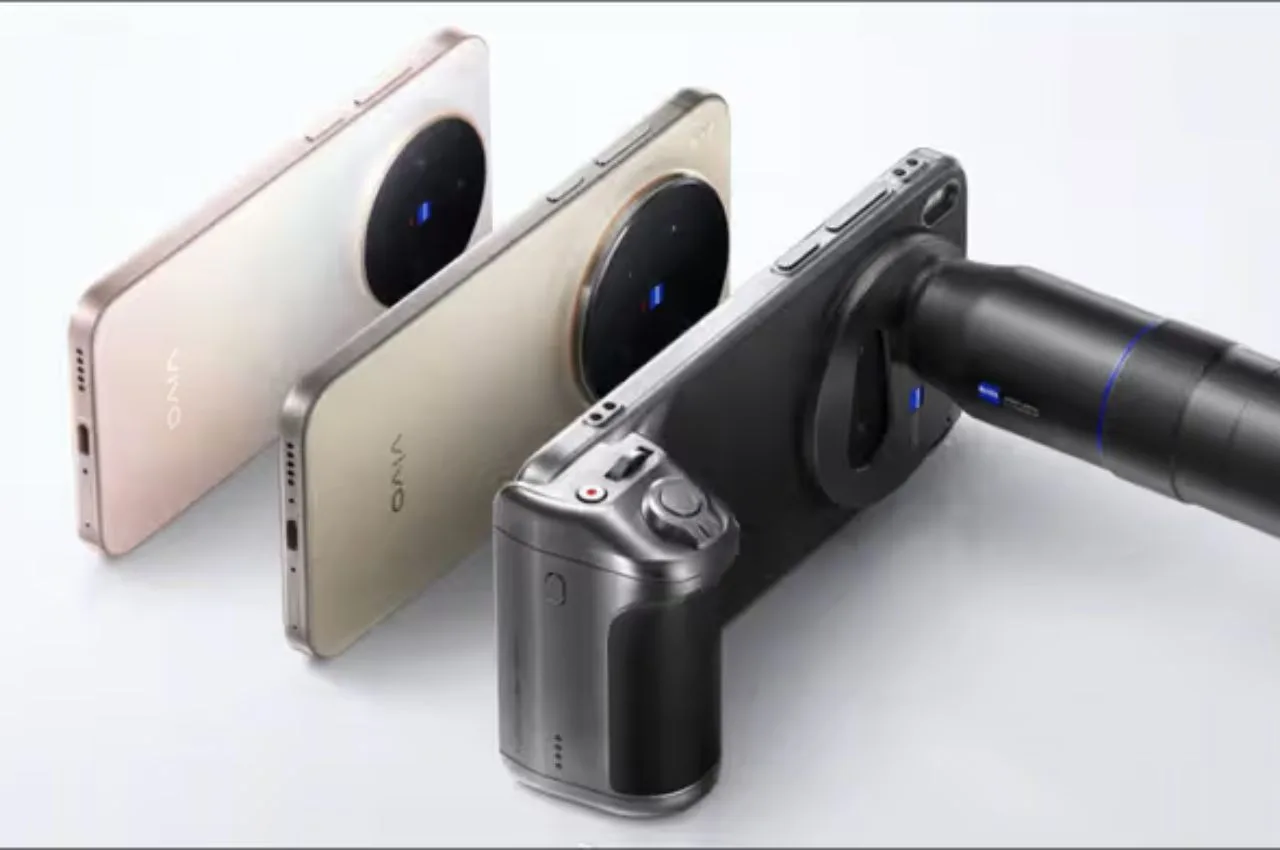
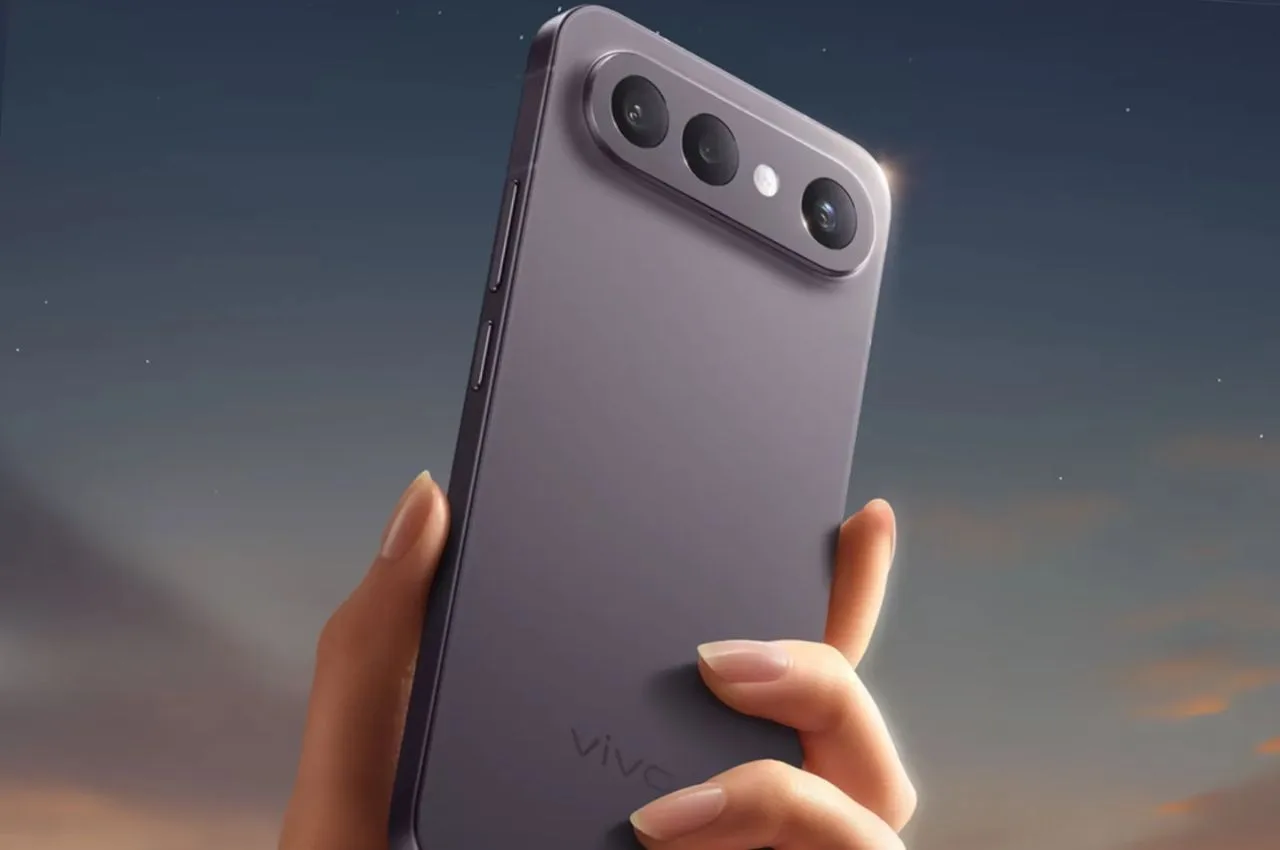
Imaging ability on these devices is kinda distinctly different, like they moved away from shared bits to bring fairly different camera setups, even though both still carry premium ZEISS co-engineering. The X300 FE uses this sleek horizontally aligned pill shaped camera bar on its back panel, inside it there’s a 50MP main sensor, an 8MP ultrawide lens, and then a 50MP telephoto lens, with a cap of 3x optical zoom. Meanwhile the X300 Pro keeps Vivo’s look with that big oversized circular camera module, and it basically pushes mobile photography further with a massive 200MP Zeiss APO Super Telephoto lens driven by a Samsung HPB sensor for 3.5x optical zoom, plus clean 100x digital magnification, there’s also a flagship 50MP Sony LYT-828 main sensor that includes native gimbal-level hardware stabilization.
Video Recording Thresholds
Because the sensor layouts and the underlying Image Signal Processor designs are not the same, the video recording limits end up being pretty contrasting too. People who need heavy color grading flexibility will likely prefer the X300 Pro, since it can do ultra high definition 8K at 30fps as well as pro style 4K at 120fps in 10-bit Log format. The X300 FE instead limits things to standard 4K resolutions, so it feels more like an efficient pick for casual lifestyle vlogging rather than a serious production environment.
Battery Capacity and Specialized Connectivity
Finally, internal capacities and enterprise features kind of drift a little, mostly because of how much usable chassis space is around, even if both phones keep the same charging setup: 90W wired plus 40W wireless FlashCharge. The X300 Pro, having that larger overall structure volume, can fit a 6,510mAh battery cell, so it ends up with a small but noticeable lifespan edge compared with the 6,500mAh cell inside the more compact X300 FE. Also the Pro model, the more flagship one, stands out with extra enterprise and safety add ons, not really things you see on the regular FE unit. For example it includes an integrated multi-spectral color sensor, for finer ambient light capture, and it brings emergency Beidou satellite messaging, premium parts that are simply missing from the mainstream FE model.

Sachin Kumar
Next Article
Bank Naukri 2026: इन बैंकों में निकली अप्रेंटिस के पदों पर भर्ती, जानिए कितनी मिलेगी सैलरी
एसबीआई और बैंक ऑफ बड़ौदा की ओर से 12 हजार से अधिक अप्रेंटिस पदों पर भर्ती निकाली है. अगर आप इन पदों पर काम करने के इच्छुक हैं तो फिर चिंता न करें. शर्तों के साथ आराम से बैंक ऑफ बड़ौदा और एसबीआई में अप्रेंटिस के पदों पर आवेदन कर सकते हैं, जहां आपका कंफ्यूजन ही पूरी तरह से खत्म हो जाएगा.


Bank Apprentice Recruitment 2026: अधिकतर युवाओं की पसंद बैंक में नौकरी करना होती है. इसकी वजह है कि बैंक की जॉब में भागदौड़ कम और आराम ज्यादा है. आराम से लग्जरी कुर्सी और एसी में बैठकर ड्यूटी करने के शौकीनों के लिए बैंक एक बढ़िया विकल्प हो सकता है. अगर आप फ्रेशर्स हैं तो फिर चिंता न करें. कुछ बैंकों ने फ्रेशर्स के लिए अच्छी अपॉर्चुनिटी दी है.
एसबीआई और बैंक ऑफ बड़ौदा की ओर से 12 हजार से अधिक अप्रेंटिस पदों पर भर्ती निकाली है. अगर आप इन पदों पर काम करने के इच्छुक हैं तो फिर चिंता न करें. शर्तों के साथ आराम से बैंक ऑफ बड़ौदा और एसबीआई में अप्रेंटिस के पदों पर आवेदन कर सकते हैं, जहां आपका कंफ्यूजन ही पूरी तरह से खत्म हो जाएगा.
Write a Comment