
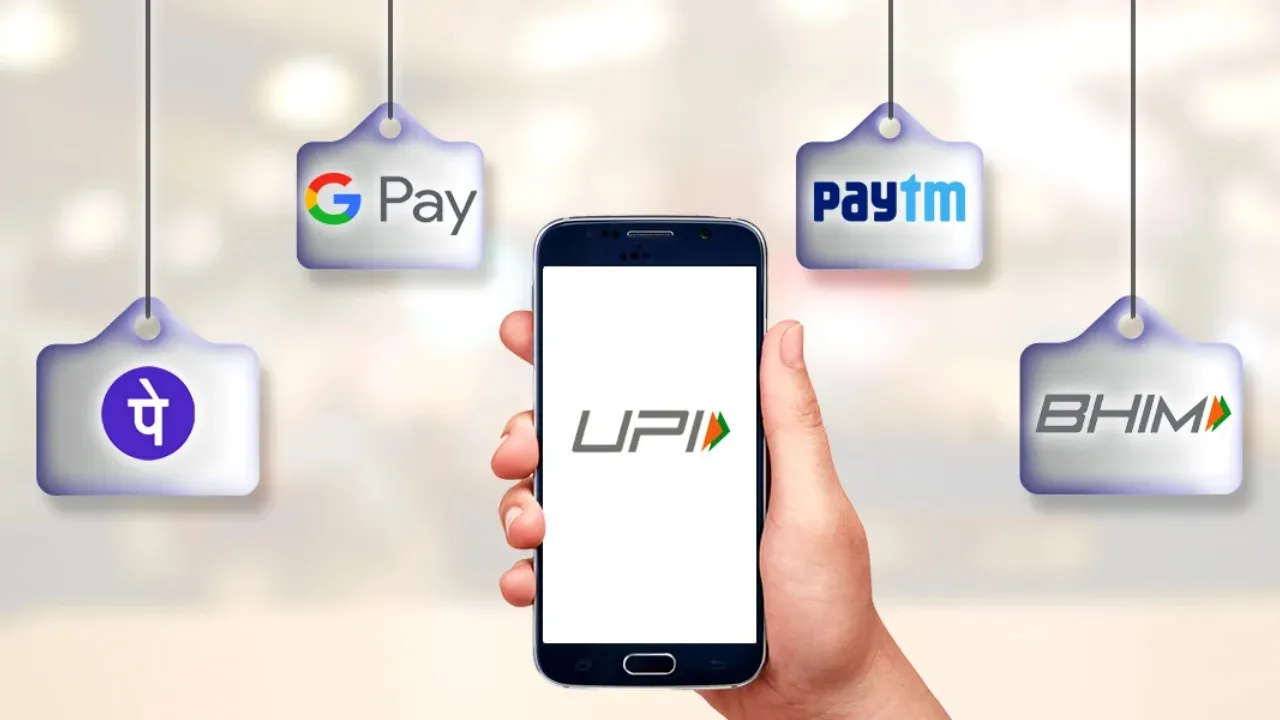
UPI New Rule : The National Payments Corporation of India (NPCI) has announced that ‘pull’ transactions on UPI will be closed from October 31, 2025. This step has been taken to stop the increasing online fraud. In the last few years, people were cheating users by sending fake payment requests, to stop which NPCI has decided to implement this new rule.
Difference between ‘pull’ and ‘push’ transactions
There are two types of transactions in UPI. The first is push transaction, in which the payer himself makes the payment, such as scanning QR code or making payment by entering UPI ID. It is considered safe because the entire control is with the payer. The second is pull transaction, in which the recipient sends a request for payment and the payer accepts it by entering his UPI PIN. This facility had become a risk for fraudsters.
Why did NPCI take this step
NPCI decided to stop ‘pull’ transactions because many fraud cases came to light. Some people were duping users by sending false payment requests. To avoid this and make digital payments secure, this step became necessary. This will enable users to ensure the safety of their money and reduce the incidence of fraud.
Effect of this decision
‘Pull’ transactions will be discontinued in personal transactions after October 31, 2025. Although this facility will continue for merchants, it is necessary to complete the KYC (Know Your Customer) process. This means that small and personal transactions can now be done only through push mode.
Suggestion for users
After this change, users should use ‘push’ transactions only. It is important to confirm the recipient’s information and amount while making a transaction. Do not accept ‘pull’ requests from any unknown source. Also, always keep your UPI PIN and other sensitive information confidential. This can help you stay safe from fraud and use digital payments in a secure manner.
Latest News
- 8th Pay Commission: केंद्रीय कर्मचारियों की बढ़ेगी बंपर सैलरी! आयोग ने उठाया यह बड़ा कदम

- China: चीन के कोयला खदान में भयंकर विस्फोट, 90 लोगों की गई जान, पीएम मोदी ने भी जताया दुख

- Weather warning – Heavy Rain, thunderstorms, lightning Alerts for 13 States Over Next 3 Days

- UP TGT Exam City Slip 2026 Released – Download at upessc.up.gov.in, Exam June 3-4
- ATM Alert: एटीएम में फंस जाए डेबिट कार्ड तो घबराएं नहीं, फटाफट यह काम करने से होगा समाधान
- Post Office Scheme – 7.5% Interest Rate, ₹5 Lakh Becomes ₹7,24,974 in 5 Years, Start with Just ₹1,000
- Best AI Video Editing Laptops Under 60,000 INR: Top Picks Her
- Best CNG Cars: पेट्रोल के बढ़ते दाम के बीच ये सीएनजी गाड़ी खरीदकर खर्च करें कम, माइलेज भी जबरदस्त

- Samsung Stable One UI 8.5 Update to Galaxy Tab S10 FE and Tab S10 FE+

- बुढ़ापे की लाठी बनेंगी ये तीन स्कीम्स, निवेश से पहले जानिए कितना मिल रहा ब्याज