Choose the Right Tempered Glass: Purchasing a new smartphone is usually followed by the instant thought of putting a screen protector on it, more often than not a tempered glass. But then comes the dilemma: do you opt for the affordable one or shell out more for the premium? Is there much protection difference, or is this all hype? Let’s dissect it and get the appropriate tempered glass for your device.
Key Takeaways
Quick Read- Glass vs Plastic: Which One Offers Better Protection?
- What Does 6H, 9H, 9D, 11D, UV & Curved Indicate?
- For Curved-Display Phones, What's the Best Option?
- Is an Overpriced Tempered Glass Truly Necessary?
Read More: Honor Magic 7 Pro vs OnePlus 13: Hidden Gems of Android
Read More: Motorola Edge 50 Pro vs Motorola Edge 40 Pro: Mid-Range Showdown
Glass vs Plastic: Which One Offers Better Protection?
In the market, you’ll mainly find two types of screen protectors: real tempered glass (made of reinforced glass) and plastic film protectors. The key job of any screen protector is to guard your phone screen from scratches and impact damage when dropped.
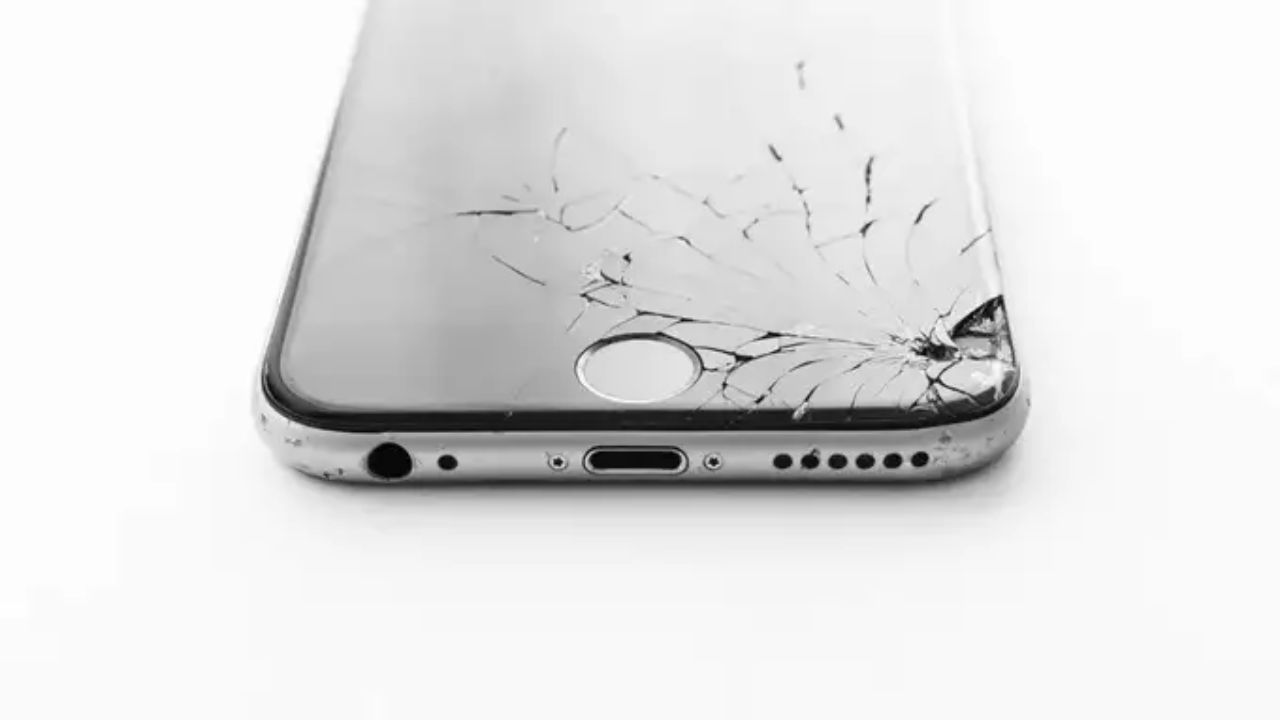
Tempered glass takes the brunt of drop shock and commonly cracks itself to save your genuine screen. But plastic shields, while shielding scratches, are powerless to avert screen breakage when the device falls. Thus, if there is real protection, it would be protectors based on glass rather than plastic.
What Does 6H, 9H, 9D, 11D, UV & Curved Indicate?
These are terms for either the level of hardness or shape/design of the tempered glass.
- 6H and 9H denote hardness. 9H is tougher and scratch-resistant.
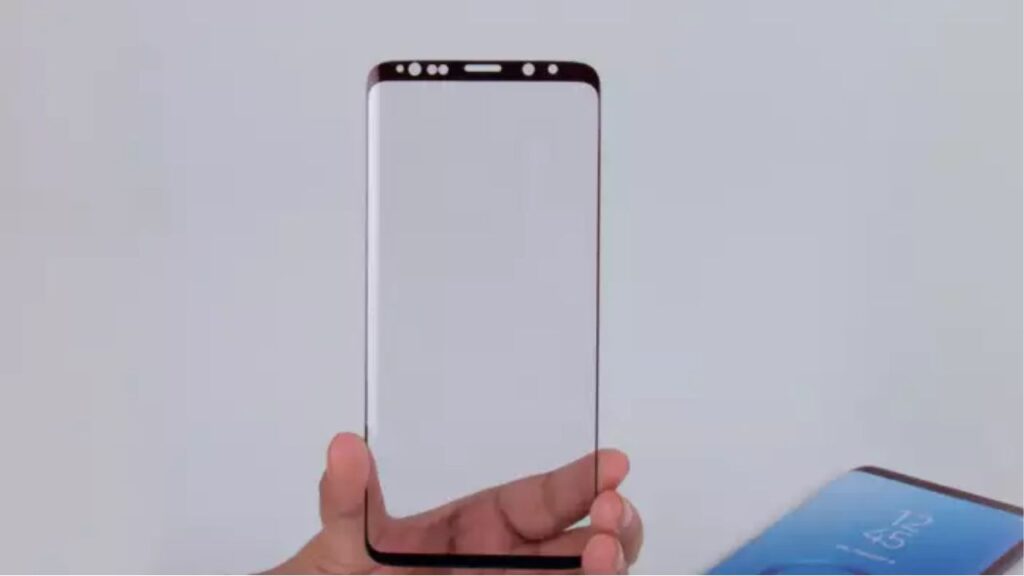
- 2D, 2.5D, 3D, 9D, 11D denote the edge curvature. Greater D numbers typically denote greater edge coverage and a tighter fit for curved-screen phones.
- UV-tempered glass utilizes liquid glue to adhere to the screen and provides full coverage for curved displays.
- Membrane protectors, typically made of plastic, are ultra-thin films commonly pre-applied by phone manufacturers.
For Curved-Display Phones, What’s the Best Option?
Curved screens, which were earlier available only on high-end phones, are now standard even in entry-level segments. Selecting a suitable protector for such screens is not easy. While UV glass provides complete protection, there are risks involved. The liquid adhesive may enter the phone’s ports and harm internal components. Moreover, it can harm the display if it is removed.
If you have a curved-screen phone, a high-end plastic membrane, or even just a tough back cover with raised edges is a more practical and safer option.
Is an Overpriced Tempered Glass Truly Necessary?
Yes, high-end tempered glass protectors come with benefits such as oleophobic coating to prevent fingerprints, improved clarity, and more responsive touch. They also have superior adhesive and improved edge protection.
But do they keep your screen a lot safer than a mid-range or lower-cost one? Not particularly. A cheap or expensive tempered glass has only one job: to shatter before your screen does. In practice, a good ₹300–₹500 tempered glass provides essentially the same level of protection as a ₹2000 one.
Much of the additional expense in high-end versions goes into packaging, branding, or small extras, not increased protection.
Conclusion
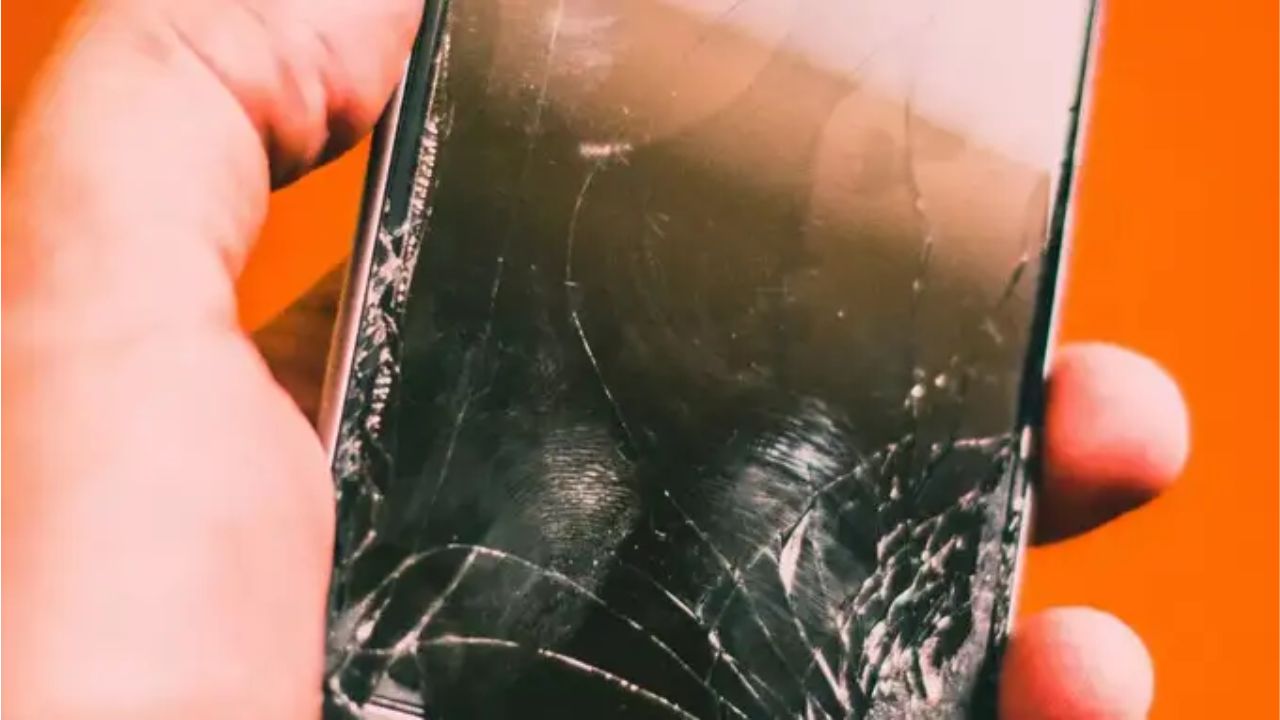
Paying extra for a tempered glass does not always translate to improved screen protection. Unless you are shelling out for a certain feature you genuinely need, remain with a decent mid-range glass. Don’t go beyond ₹500 unless you have a valid reason. For all you know, it’s just glass that’s meant to break, so your screen won’t.