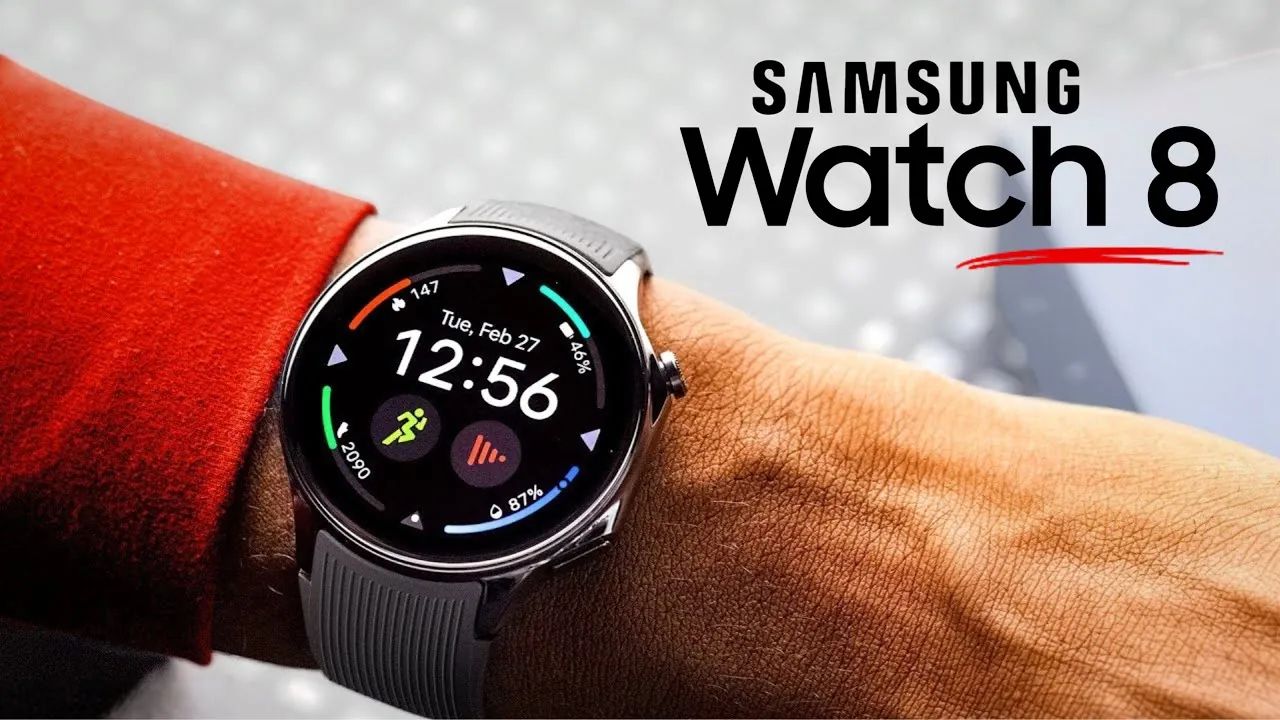
Galaxy Watch 8: High-end smartwatches always bring the question to mind Are they worth that premium price over mid-tier devices? The Samsung Galaxy Watch8, which costs ₹32,999 for the plain Bluetooth model, attempts to make that difference worthwhile through style, cutting-edge features, and smart integration. I used the Watch8 for almost a week before forming an opinion, and found it to be a refined piece of hardware, albeit one with compromises.
Read More: Motorola Razr Plus (2024) vs Samsung Galaxy Z Flip 6: Flip Phone Rumble
Design and Comfort
The Galaxy Watch8 stands out through its lightweight and thin profile, boasting a round dial on Samsung’s cushion-structured aluminium frame. The Dynamic Lug System’s new design makes switching straps easy, but restricts use with previous Galaxy Watch straps. My test model included silicone bands that were easy to wear around the clock but slightly less suited for hot, sweaty exercise, pointing up why Samsung’s new cloth bands could serve more active users well. With a 5ATM + IP68 and MIL-STD-810H rating, the build quality is comparable to earlier models.
Display Brilliance
Samsung has equipped the Watch8 with a Super AMOLED display that reaches up to 3,000 nits of peak brightness. Outdoor visibility is excellent, even under direct sunlight, and the Sapphire Crystal glass ensures added scratch resistance. The 44mm version with a 1.5-inch screen felt large but never unwieldy, while the colours looked vivid and sharp. This screen easily ranks among the best you’ll find on any wearable.
Performance and Gemini AI
Under the hood, the Watch8 has a penta-core processor with 2GB of RAM and 32GB of storage. Every day use was smooth, be it scrolling menus or opening apps. The highlight inclusion here is Google Gemini, which makes its smartwatch debut. Activated by voice command or the press of a button, Gemini handles workouts, maps, reminders, and even quick questions. It brings real convenience, although users might take some time to fully get used to AI-driven interactions.
Health Tracking Accuracy
Samsung still has a lead in health tracking, with precise step totals, sleep tracking, and even the addition of the Antioxidant Index and Vascular Load insights. Sleep monitoring, including snoring detection and blood oxygen tracking, seemed solid in our testing. Runners also receive a custom Running Coach feature that adjusts to their objectives, making it one of the more robust fitness-oriented wearables available.
Software Experience
Based on Wear OS with Samsung’s OneUI Watch, the environment is neat and easy to use, although certain features are still reserved for users of the Samsung ecosystem. The need for three unique apps, Galaxy Wearable, Samsung Health, and Samsung Health Monitor, means setup is less seamless than competition. Third-party software such as WhatsApp also feels sub-optimal, providing space for improvement in the maturity of the software.
Audio and Battery Life
The internal speaker performs well in the house but falters outside, particularly on calls. Battery life is arguably the greatest sacrifice the 325mAh cell lasts only around 26–27 hours with all features switched on. Rival smartwatches of this price range, and even lower-cost ones, tend to last several days, so the Watch8 is less desirable for frequent travellers or people who hate daily recharging. Recharging itself takes around 90 minutes, which isn’t especially quick.
Verdict
The Samsung Galaxy Watch8 fulfills on looks, performance, and health functions while unveiling Google Gemini as a powerful new AI assistant. Its vibrant AMOLED screen, tough design, and accurate tracking make it an appealing option for those already within Samsung’s ecosystem. Average battery life and speaker quality prevent it from being perfect, though.