
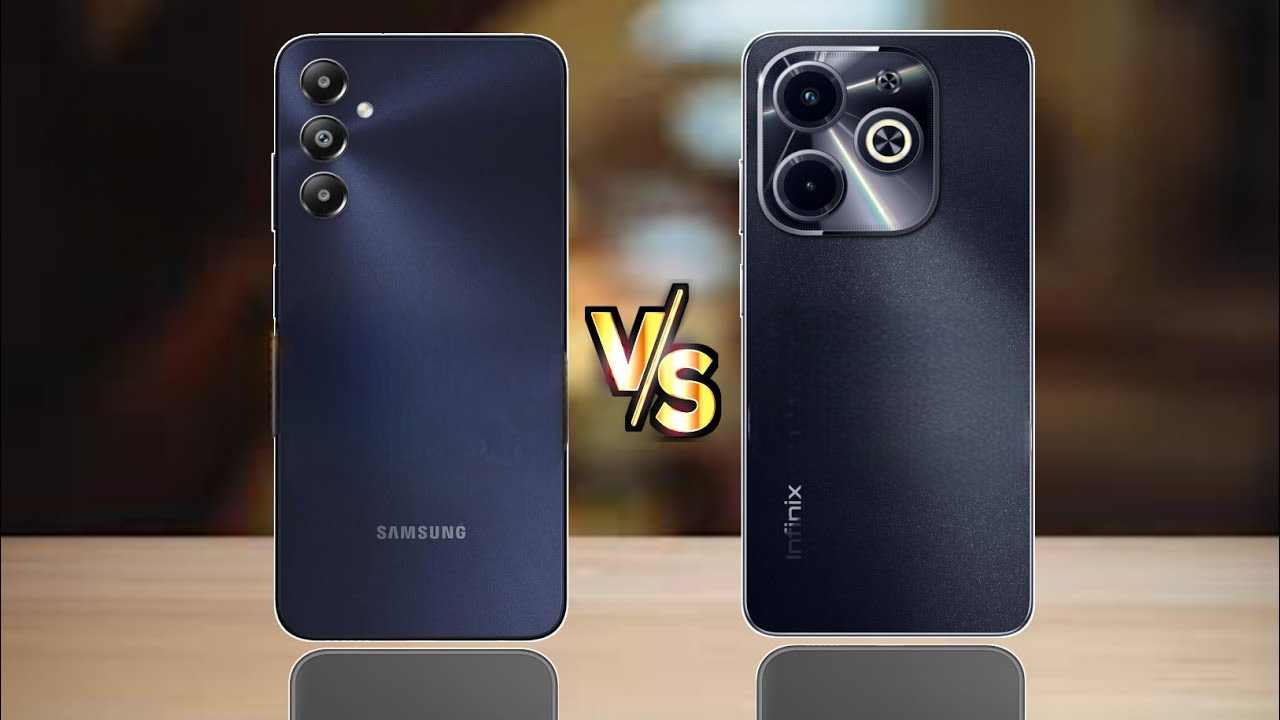
Samsung Galaxy M14 5G vs Infinix Zero 5G : In India, one really good aspect of 5G is that it has incited a budget war among various manufacturers and made the budget smartphone space a lot tighter and more worthy. The Samsung Galaxy M14 5G and Infinix Zero 5G (2023) bear within them modern tech, supposedly high refresh rate displays, average performance, and above-average battery lives, which makes it a great affordable mid-range phone. But every phone has its strengths in particular areas, making them seek a different kind of use. In this comparison, we run through their design, performance, camera, battery, and software experience to help you decide which is better value for money.
Design and Display
An overview of the components that come together to deliver the Samsung Galaxy M14 5G, along with a 6.6-inch Full HD+ PLS LCD with 90Hz refresh rate and Corning Gorilla Glass 5 technology, is a basic plastic one, which is somewhat bulkier than other Samsungs, but on the whole, it is a neat and very robust design. On the contrary, Infinix Zero 5G (2023) features a bigger display at 6.78 inches, but the corresponding Full HD+ IPS LCD display comes with a far smoother refresh rate of 120Hz and features slimmer bezels for a more immersive viewing experience.

Performance and Software
Infinix Zero really wins way ahead in all performance parameters. The MediaTek Dimensity 920 with LPDDR5 RAM and UFS 3.1 storage are features that it has. It delivers buttery smooth operation while gaming and multitasking. The Exynos 1330 chipset powers the Galaxy M14 5G, which is decent for odd tasks; however, this is where the problems start because when applications are opened or during the gaming process, it isn’t that high compared to others when peak performance is required from the handset.
Whereas One UI Core of Samsung is being considered as much user-friendly and cleaner as compared to Infinix which is all but much feature-rich but cluttered and filled with bloatware XOS UI. Intriguingly, M14 would receive Android 14 along with further security updates, while in contrast, Infinix still gets to plan any rushing for Android 12 with few update assurances.
Camera Specifications
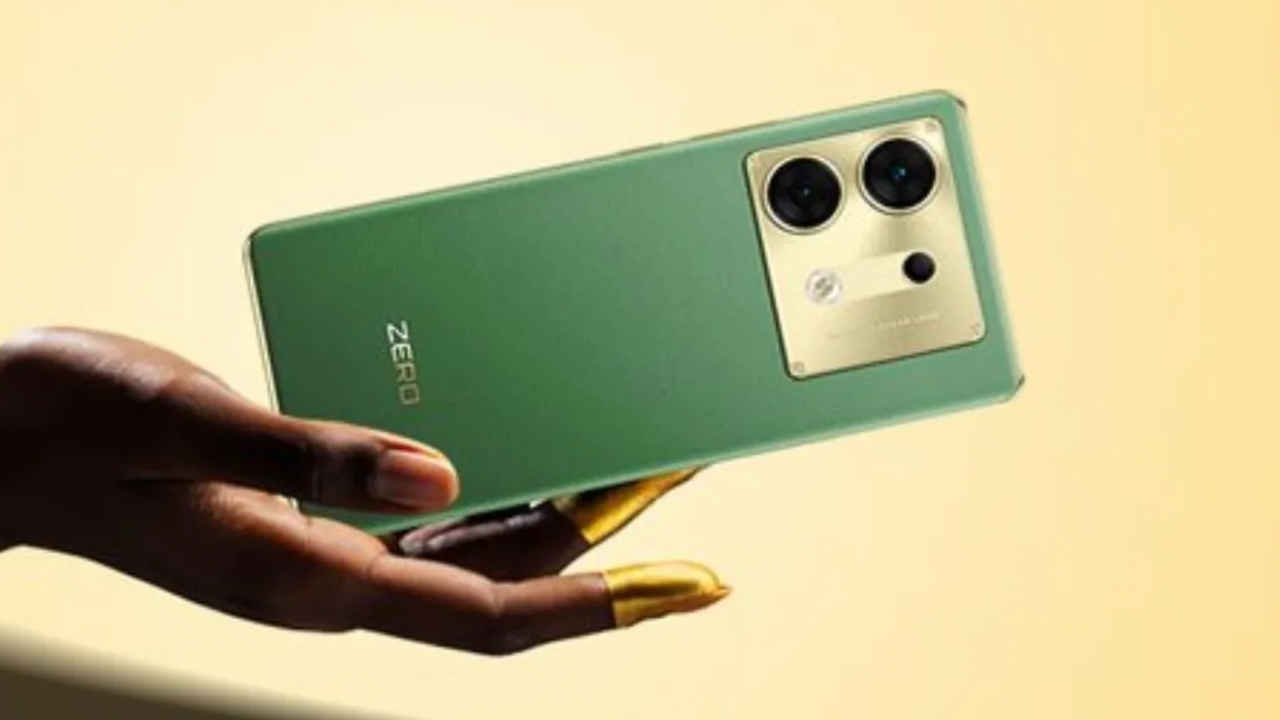
They have all but the main similarities in cameras, which are both 50MP primary features plus the 2MP macro and depth sensors included on Samsung’s Galaxy M14 in most daylight photos but all but useless in low-light conditions. Pretty much the same goes for Infinix Zero 5G: again, it’s an outright ownership of a 50MP main camera, 2MP macro, and 2MP depth sensor; however, it does support recording in 4K, with shots in daylight quite comprehensive. For that front camera, there is 13MP on Samsung, whereas Infinix has 16MP on the other side; thus, slightly sharper selfies from Infinix.
Battery Life And Charging
The probably best defining aspect of the Galaxy M14 5G is its massive 6000mAh battery which, under regular usage, will last for over a day and a half. It supports 25W fast charging, while the Infinix Zero 5G is the one with a much smaller battery of 5000mAh, with 33W fast charging. It does perform nicely but won’t hold with the likes of Samsung when it comes to endurance.
Well, for one who is attentive to a simple software experience that comes with long battery life and long-term updates, then the Galaxy M14 5G is the perfect most-worth-reliability tagline for consideration. But the Infinix Zero 5G (2023) is sure to react better to that cost with higher refresh rates, smoother operation, and very versatile cameras, especially for gaming and multimedia. Ultimately, it comes down to what one prefers: long-term software support or immediate performance and display advantages.
Latest News
- Apple MacBook Neo Deal Alert: Get It For Under ₹58,000 on Amazon Right Now

- Pakistan Attack: आत्मघाती हमले से दहला पाकिस्तान, 23 लोगों की मौत, 50 से ज्यादा घायल, जानें

- Honor Magic 9 Series Leaks: Flagship Upgrades with Massive 8,000mAh Battery and 200MP Cameras

- Motorola Edge 60 Fusion Review: Mid-Range King or Outdated?

- FD Update– Breaking Your FD Early? Know the consequences

- Bank Holiday–RBI Announces Closure of SBI, HDFC and All Banks Next Week, Save the Dates

- Samsung Galaxy S26 Ultra Amazon Deal – Get ₹23,509+ Discount with Bank Offers and Exchange Benefits
- Best Scooters For College Girls 2026 – Perfect Mix Of Mileage, Style And Lightweight Design
- Kodak Matrix QLED Google TV 2026 Series Launched in India Just Under 10,999

- Senior Citizen FD Rates: सीनियर सिटीजन को यहां से मिल रहा बंपर ब्याज, जल्द करें निवेश