
Inverter AC vs Split AC: Price, Power Consumption and Maintenance Compared
Inverter AC vs Split AC: Inverter ACs use less electricity and can give better long term savings too, while standard split ACs stay cheaper to buy and they are bit more simple to fix over the years .

 Join Us
 Add as a preferred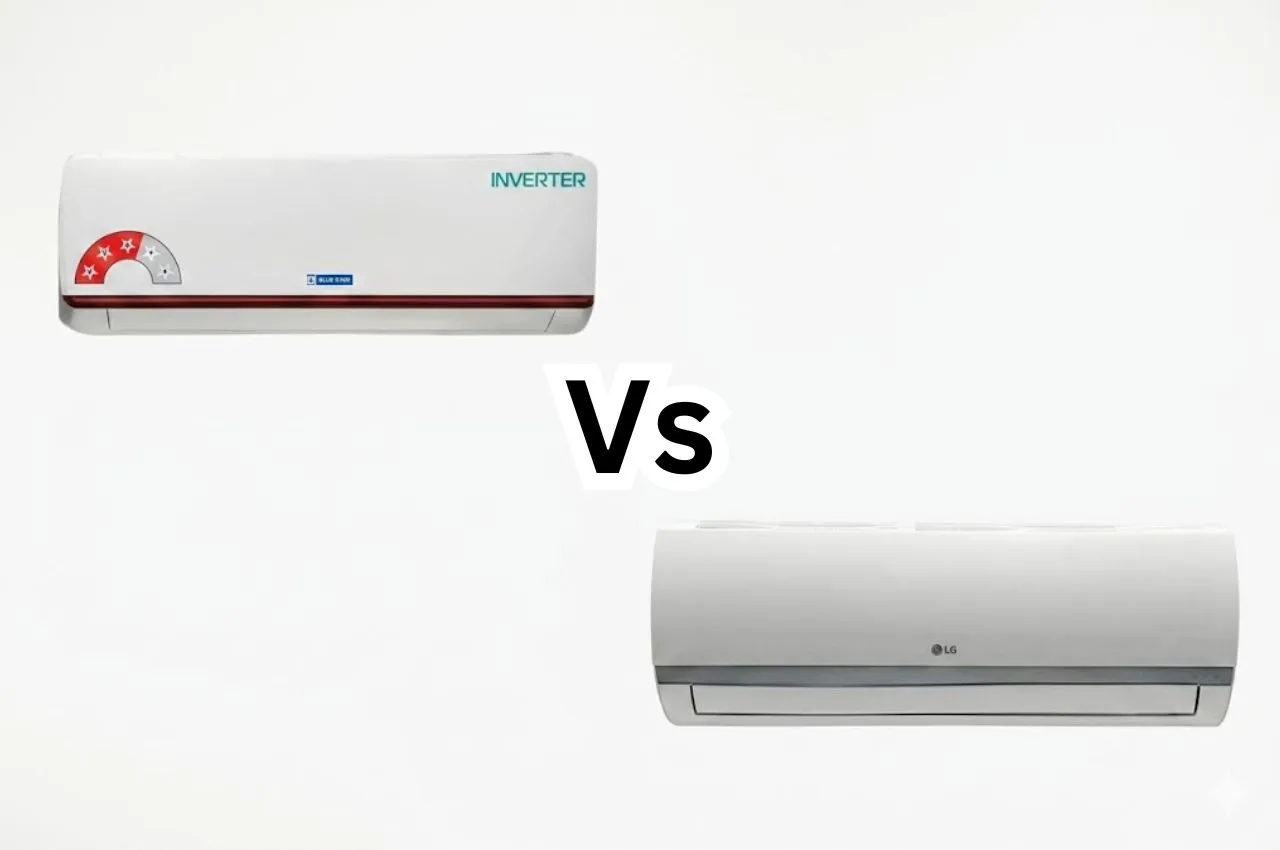
Inverter Ac Vs Split Ac
With summer temperatures rising fast across India, buying a new air conditioner has turned into a kind of priority for many households. Still, a lot of buyers seem kinda stuck and get confused between an inverter AC and a normal split AC before they actually decide to purchase.
Both types can cool your room well, but the real gap is mostly about electricity use, compressor tech, servicing costs, and the bigger picture savings over time. When people understand these differences clearly , they can pick the better AC for their budget and their usual daily routine.
Power consumption
The inverter ACs main plus point is that they can regulate compressor speed automatically, based on how warm the room is at that moment. Instead of switching fully on and off again and again, the compressor keeps adjusting its speed in a steadier way, so cooling stays efficient.
A normal split AC, with a non-inverter compressor, works more like this. It runs at full power until it reaches the target temperature , and then it shuts off completely. After that, it restarts later, so the stop-start cycle tends to waste more electricity , especially when the AC is running for long hours.
For example, a 1.5-ton inverter AC usually consumes about 0.8 to 1 unit of electricity per hour, which can cost roughly ₹6 to ₹8 hourly depending on your local electricity rates. On the other hand, a standard split AC might use 1.2 to 1.5 units per hour, which can put running costs near ₹10 to ₹12 each hour.
Maintenance Cost
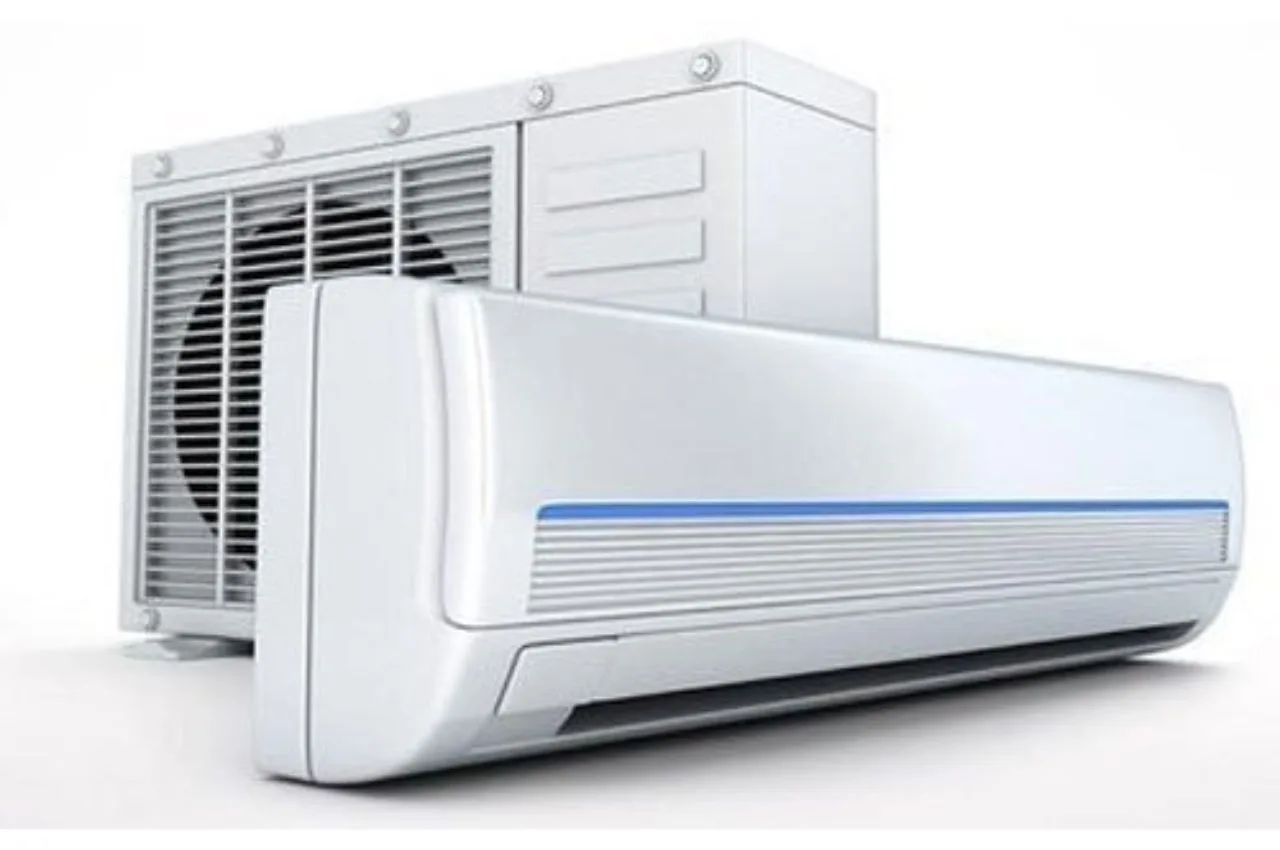
Both inverter ACs and split ACs need regular cleaning of filters, cooling coils, and drainage systems, to keep the cooling steady and not lose performance. At the routine level, the basic servicing cost tends to stay kind of on par for both, so nothing too dramatic shows up in day to day maintenance.
But inverter ACs have advanced sensors, a PCB board setup, and other electronic bits. These parts can turn costly if anything breaks after the warranty period ends. Normal split ACs, on the other hand, usually use a simpler compressor arrangement, so repairs often feel more straightforward, and comparatively cheaper especially in local service markets.
For buyers who live where servicing support is limited, standard split ACs can still feel more practical. That’s mainly because spare parts and technicians are typically easier to find in more places.
Pricing Difference
Price is also a big deal when you compare both AC categories. For example, a basic 1-ton non-inverter split AC often starts around ₹28,000 to ₹32,000 in India, depending on the brand and energy rating.
Inverter ACs usually begin near ₹35,000 and can climb a lot more based on cooling capacity, extra smart functions and star ratings. This higher upfront spending sometimes puts off many first time buyers at the start.
Still, inverter ACs can recover some of the difference later through lower electricity bills. This is most noticeable when you run the AC daily for long hours during those high summer stretches.
Which One Should You Buy?
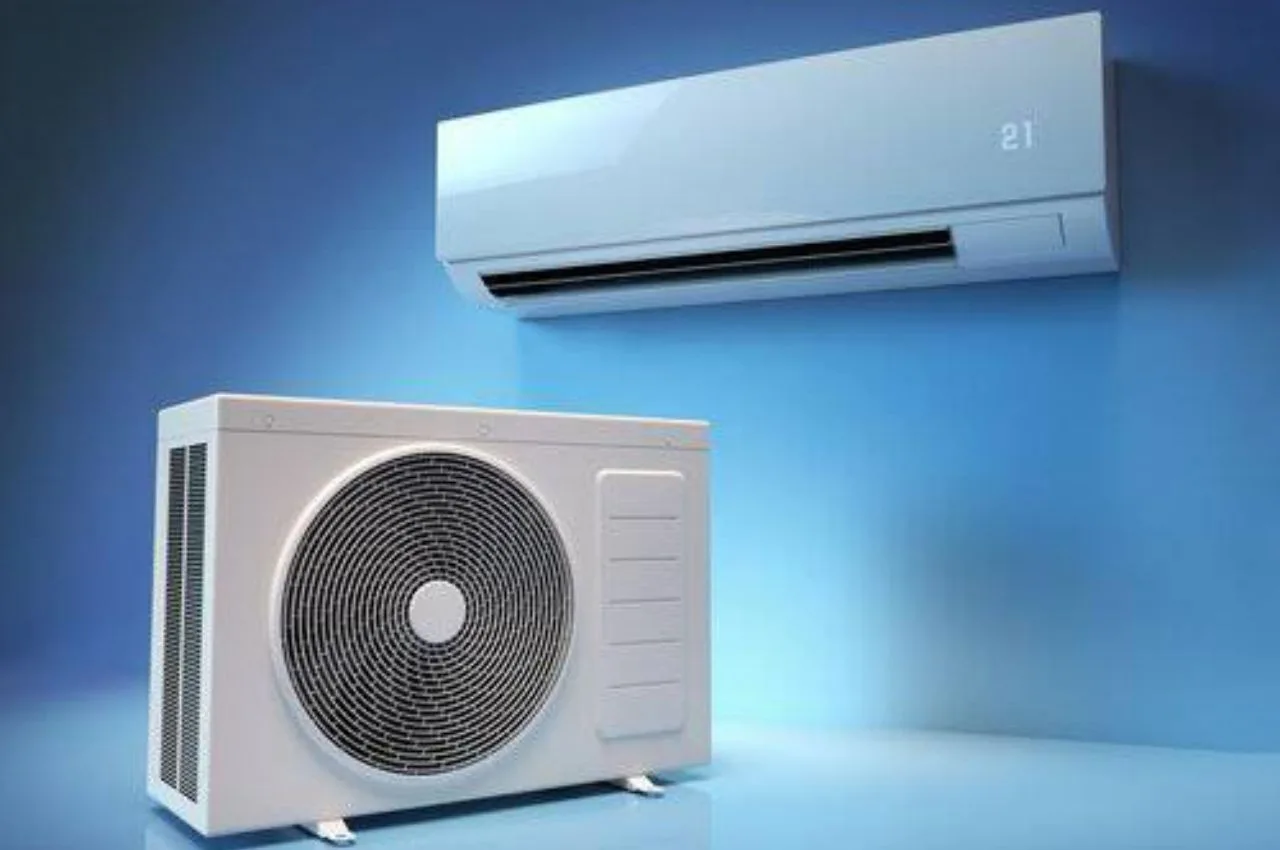
So if your AC usage stays kind of low, like only a few hours here and there, then a normal split AC might still do the job and it’s usually a budget-friendly buy. But if you’re running it heavily every day, then inverter ACs tend to shine because they can bring lower electricity bills, run more quietly, and keep the cooling more stable, especially when indoor temps swing.
For most modern homes, inverter ACs are slowly turning into the smarter long-term investment even though the upfront cost is higher, because the energy efficiency is better and the day to day costs tend to be lower across a few years.
FAQs: People Also Ask
With summer temperatures rising fast across India, buying a new air conditioner has turned into a kind of priority for many households. Still, a lot of buyers seem kinda stuck and get confused between an inverter AC and a normal split AC before they actually…
Both types can cool your room well, but the real gap is mostly about electricity use, compressor tech, servicing costs, and the bigger picture savings over time. When people understand these differences clearly , they can pick the better AC for their budget and their…
The inverter ACs main plus point is that they can regulate compressor speed automatically, based on how warm the room is at that moment. Instead of switching fully on and off again and again, the compressor keeps adjusting its speed in a steadier way, so…
A normal split AC, with a non-inverter compressor, works more like this. It runs at full power until it reaches the target temperature , and then it shuts off completely. After that, it restarts later, so the stop-start cycle tends to waste more electricity ,…
With summer temperatures rising fast across India, buying a new air conditioner has turned into a kind of priority for many households. Still, a lot of buyers seem kinda stuck and get confused between an inverter AC and a normal split AC before they actually…

Sachin Kumar
Next Article
SBI Home Loan: घर खरीदने का सपना होगा साकार, एसबीआई दे रहा 50 लाख रुपये तक का होम लोन, जानें
भारत का प्रमुख बैंकों में गिने जाने वाला एसबीआई ग्राहकों को 7.25 की शुरुआती दरों से होम लोन प्रदान कर रहा है. आप एसबीआई से 30 वर्ष के लिए 7.25 फीसदी की ब्याज दर से 50 लाख रुपये तक का होम लोन ले सकते हैं.


SBI Home Loan: सभी लोगों की पहली पसंद होती है कि उनके पास एक अच्छा सा घर हो. घर खरीदने के लिए लोग काफी पैसा खर्च करते हैं. अगर आप घर खरीदने के प्लान पर काम कर रहे हैं और बजट कम है, तो चिंता न करें. देश का सबसे बड़ा बैंक एसबीआई लोगों के लिए बड़ा ऑफर दे रहा है. आप एसबीआई से होम लोन लेकर खरीदारी का सपना पूरा कर सकते हैं.
वैसे भी एसबीआई ने इस वर्ष होम लोन की ब्याज दरों में भी कटौती की है. इसलिए आपके लिए एसबीआई से होम लोन लेना पड़ेगा, जहां किसी तरह की परेशानी नहीं होगी. अगर होम लोन लेने का प्लान कर रहे हैं तो पहले कुछ जरूरी चीजों को समझ सकते हैं.
Write a Comment