
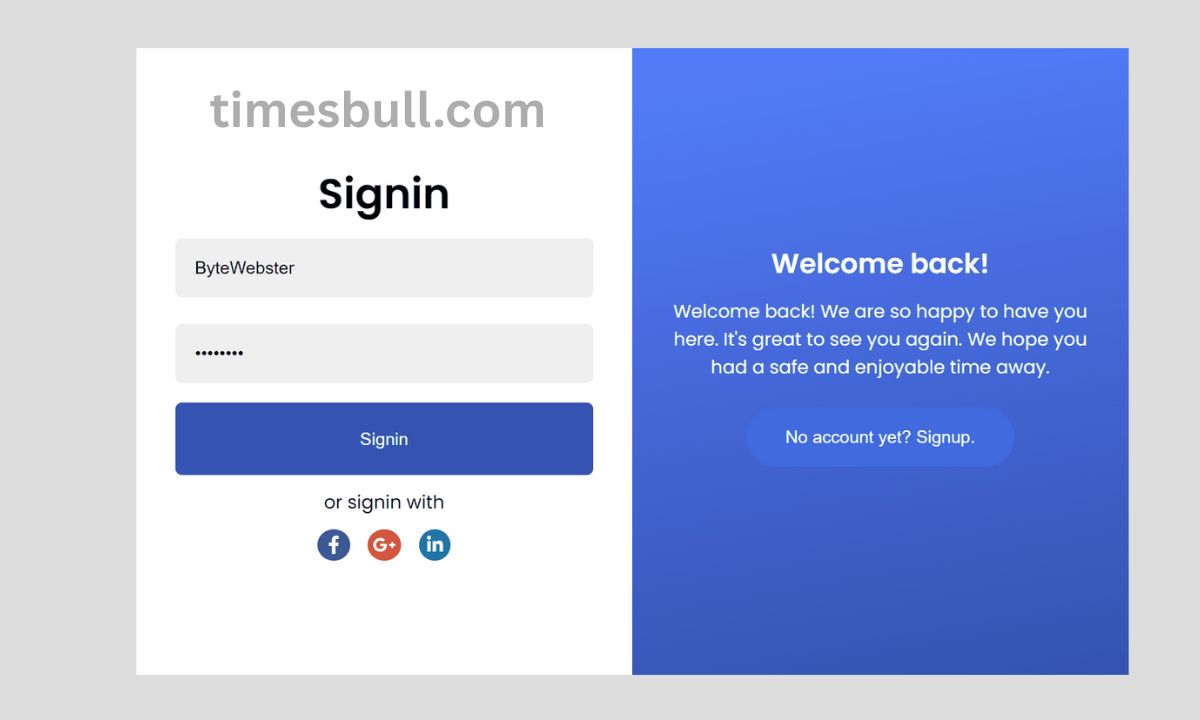
Although the terms “log in” and “sign in” sound similar, they have different meanings in the technical jargon. To effectively utilize digital platforms, it is essential that you understand this.
The Difference Between Log In and Sign In: Terms like “Log in” and “Sign in” are frequently used in the setting of the internet and mobile apps. There is a small distinction between these two words, yet many people mistakenly believe they are similar. Let us examine the actual meaning of these terms and their usage.
What is meant by “login”?
Logging into a pre-made account is all that is needed to log in. You log in to a website or app each time you input your login and password. You must access a previously created account in order to complete this process. Login, for example, is the procedure of entering your user ID and password to access Facebook or Gmail.
What does it mean to sign in?
To access an account, you must also sign in. You are asked to sign in when you create an account on Facebook or other platforms. It is a more accessible term. “Sign in” is used by tech companies to make the user experience easier. This indicates that the only thing differentiating them is nomenclature. For instance, “Sign in” may appear on the platforms of Microsoft or Google.
Do sign-in and log-in differ much from one another?
In the end, both sign-in and log-in refer to gaining access to an account. But whereas Login is a little more traditional and technical, Sign In is thought to be more modern and user-friendly. For this reason, new apps and websites frequently favor Sign in.
What distinguishes “log in,” “sign in,” and “sign up
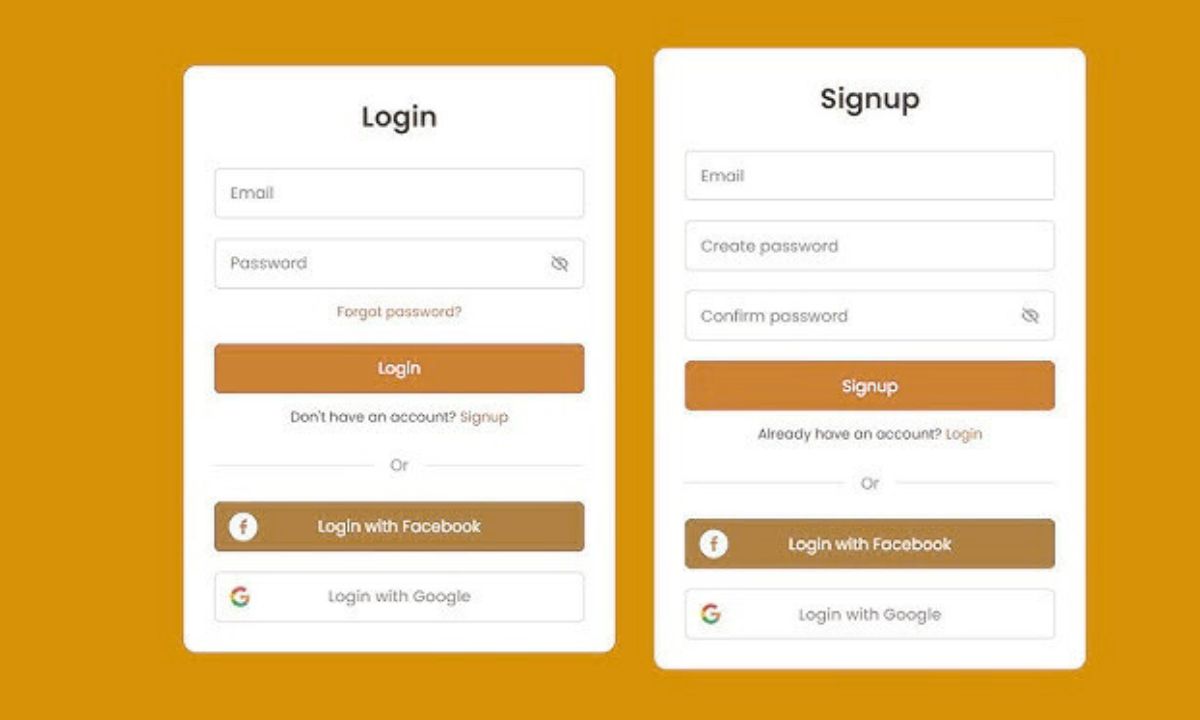
The terms “sign up” and “login” are also often used. Despite having distinct meanings, these three terms are the most often used ones on the internet. Signing up entails making a new account, or registering for the first time on a website or app. The terms “sign in” and “log in” refer to the same action: providing a username and password to access an existing account. Signing up entails making a new account, whereas signing in or logging in entails accessing an already-existing account.
Latest News
- Apple MacBook Neo Deal Alert: Get It For Under ₹58,000 on Amazon Right Now

- Pakistan Attack: आत्मघाती हमले से दहला पाकिस्तान, 23 लोगों की मौत, 50 से ज्यादा घायल, जानें

- Honor Magic 9 Series Leaks: Flagship Upgrades with Massive 8,000mAh Battery and 200MP Cameras

- Motorola Edge 60 Fusion Review: Mid-Range King or Outdated?

- FD Update– Breaking Your FD Early? Know the consequences

- Bank Holiday–RBI Announces Closure of SBI, HDFC and All Banks Next Week, Save the Dates

- Samsung Galaxy S26 Ultra Amazon Deal – Get ₹23,509+ Discount with Bank Offers and Exchange Benefits

- Best Scooters For College Girls 2026 – Perfect Mix Of Mileage, Style And Lightweight Design

- Kodak Matrix QLED Google TV 2026 Series Launched in India Just Under 10,999

- Senior Citizen FD Rates: सीनियर सिटीजन को यहां से मिल रहा बंपर ब्याज, जल्द करें निवेश