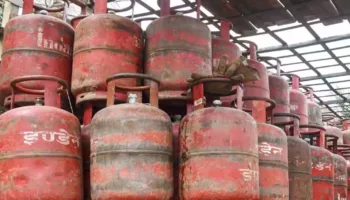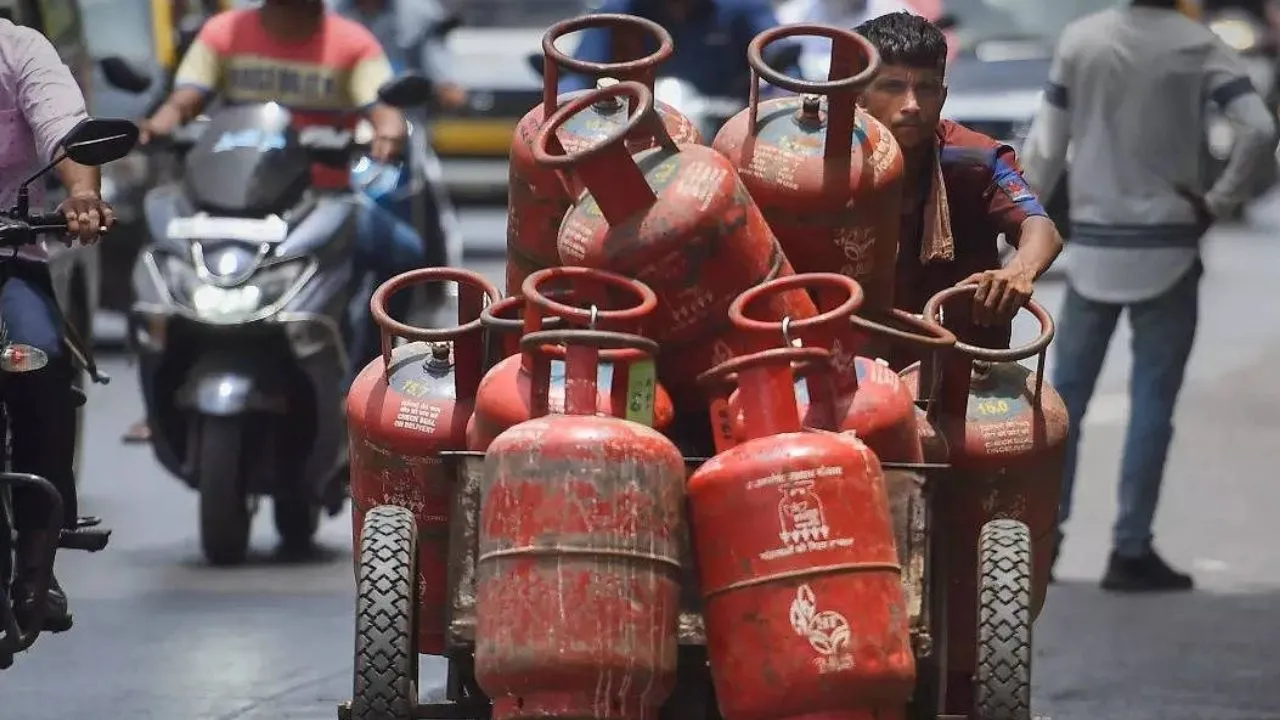
LPG price: The government has sanctioned a rise of Rs 60 per cylinder for domestic LPG Business Idea: Start These 4 Businesses With Low Investment, Then Earn Big Every Month”/gas-cylinder-why-was-the-number-of-subsidized-cylinders-reduced-government-explains-the-reaso-750917.html" class="tb-related-post-link" rel="bookmark">Gas Cylinder: Why Was the Number of Subsidized Cylinders Reduced? Government Explains the Reaso, effective immediately. This decision has ignited conversations regarding the potential increase in consumer burden. The opposition has voiced its criticism towards the government over this matter. Nevertheless, the government has released a fact sheet to clarify the situation. As per the government, consumers have been shielded from global price changes. The Petroleum Ministry’s fact sheet indicates that the Saudi Contract Price (CP), which serves as India’s main LPG benchmark, reached $542 per metric ton in March 2026.
This figure surpasses the minimum of $466 recorded in November 2025. Despite this, the cost of a 14.2 kg non-subsidized cylinder in Delhi stands at Rs 853, which is Rs 134 lower than the fixed market price of Rs 987. The government has taken steps to protect consumers by covering the remaining expenses. To provide context for this increase, India imports over 60 percent of its LPG requirements. Consequently, domestic prices are tied to global market trends. The Saudi CP rose from $415 per MT in 2020-21 to $712 in 2022-23.
The daily impact on PMUY families is minimal. Cooking expenses have risen from Rs 7.31 to Rs 8.11 per day, which translates to an increase of 80 paise per family and just 20 paise per person. In the region, India’s LPG prices remain the most affordable. For Ujjwala beneficiaries, a 14.2 kg cylinder costs Rs 613 in Delhi, in contrast to Rs 1,046 in Pakistan, Rs 1,242 in Sri Lanka, and Rs 1,208 in Nepal.
Commercial LPG cylinders, which are used by hotels and industries, reflect global market conditions. They increased from Rs 1,646 in March 2024 to Rs 1,883 in March 2026. OMCs faced losses amounting to Rs 40,000 crore in 2024-25, while the government provided support of Rs 30,000 crore. The price dropped from Rs 903 in August 2023 to Rs 613 in March 2026 for PMUY (a 32 percent reduction), even as the global benchmark rose by 41 percent.
LPG penetration has doubled since 2014. Active domestic customers have increased from 145.1 million to 333.1 million. Consumption has increased from 17.6 MMT to 32 MMT, while bottling capacity has increased from 13,235 TMTPA to 23,113 TMTPA. Pipeline length has increased from 2,311 km to 6,242 km, while import capacity has tripled to 32.3 MMTPA. PMUY per capita consumption has increased from 3.81 cylinders in FY16-17 to 4.83 cylinders in January FY25-26. The fuel policy has been a broad success. In February 2022-2026, petrol prices in Delhi fell by 0.67 percent, while diesel prices increased by 1.15 percent. Meanwhile, petrol prices in Pakistan increased by 55 percent, and diesel prices in Sri Lanka by 81 percent.